
Last updated September 22, 2026
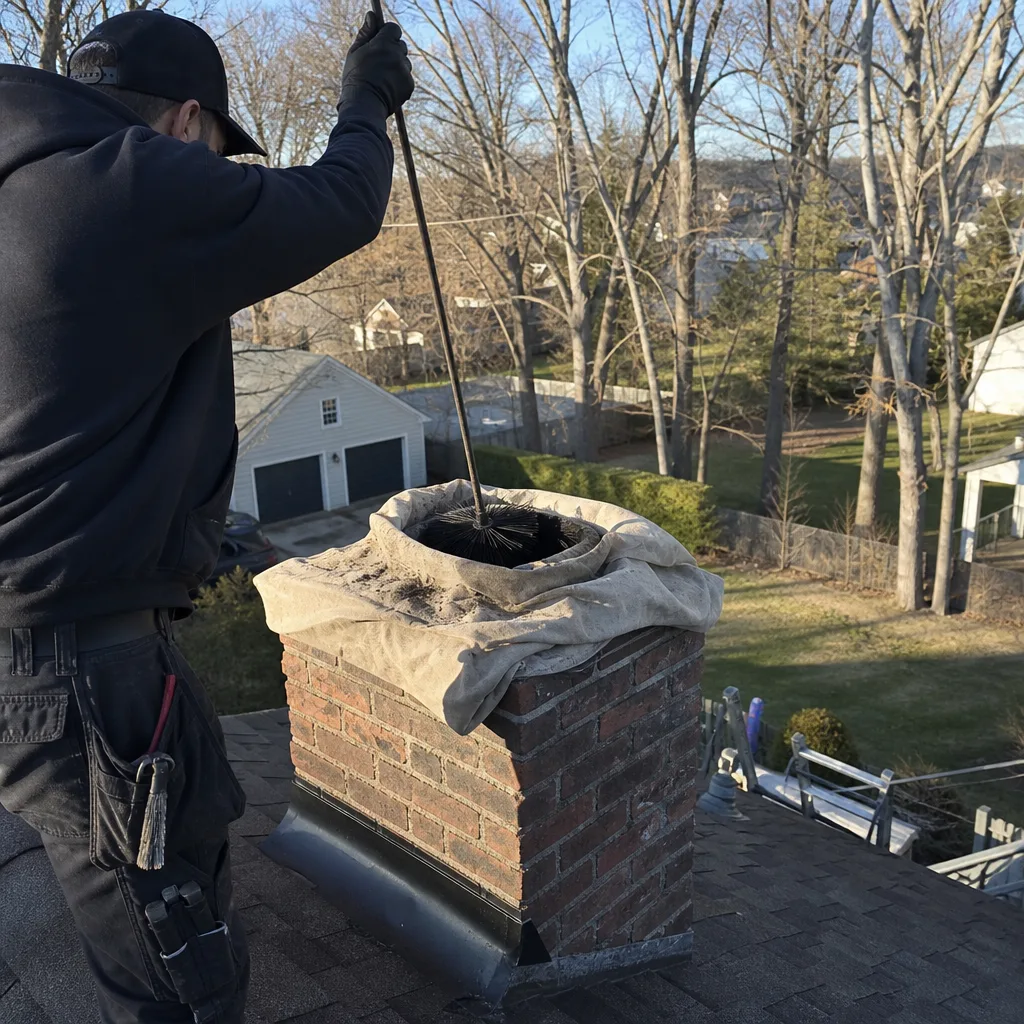
Level 1 sweep and inspection to the NFPA 211 annual standard - flue, crown, cap, and flashing checked and photographed
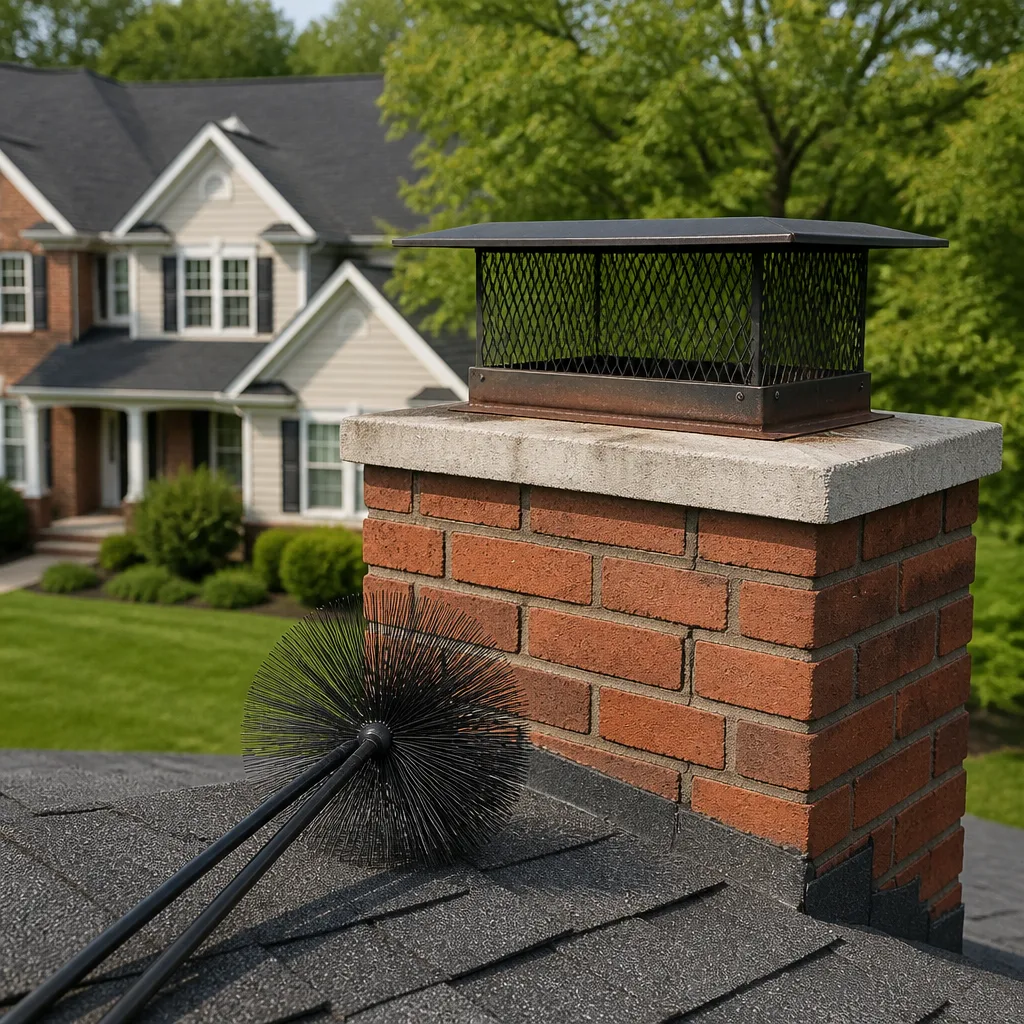
Chimney sweep logs do not sweep chimneys. They loosen some creosote - which then falls where a brush and vacuum still have to collect it.
Gas fireplace service
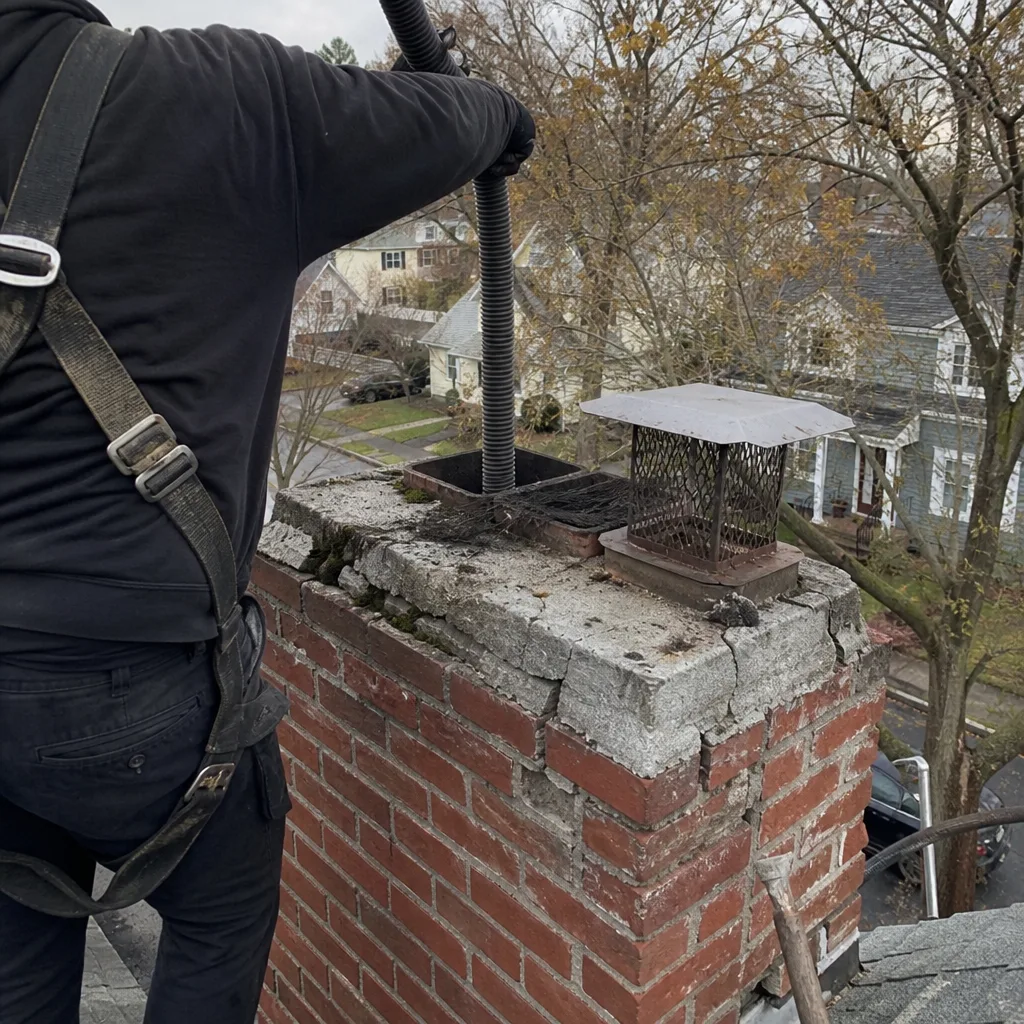 Before
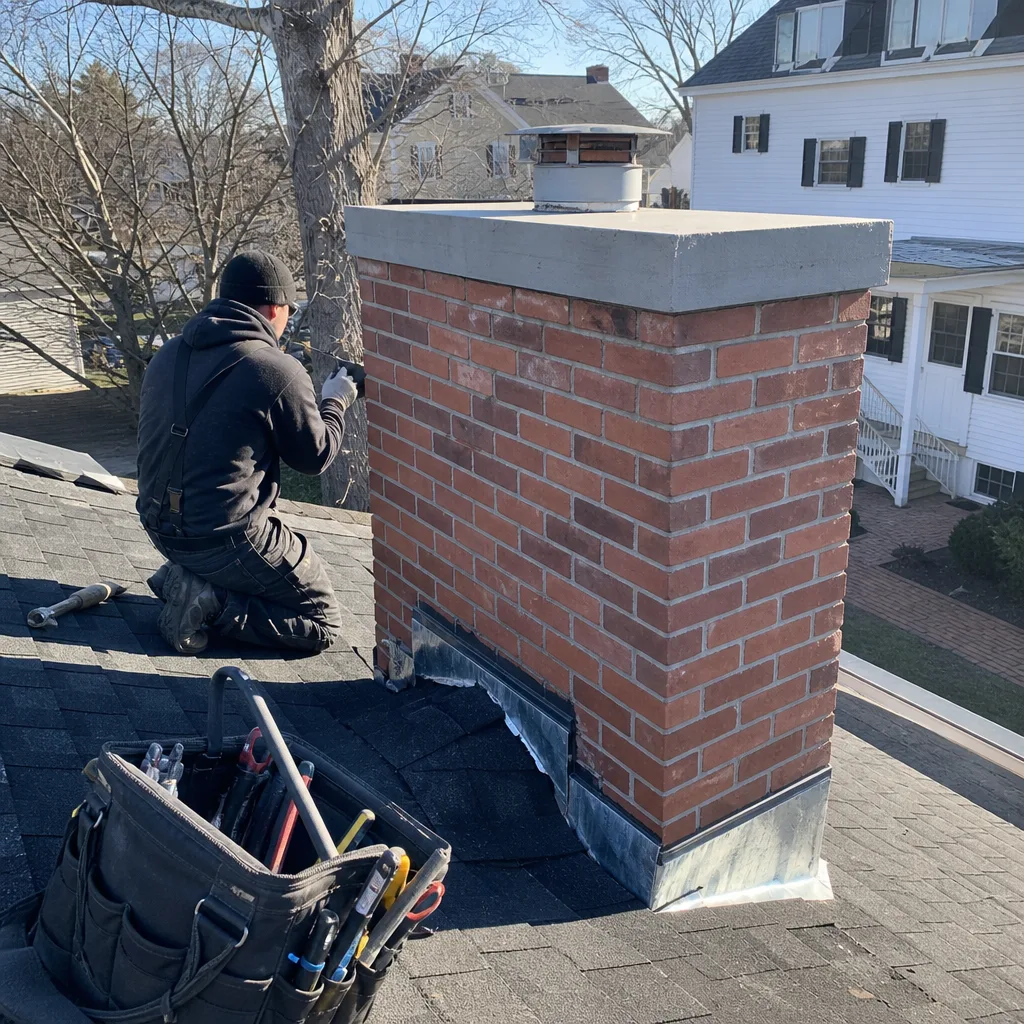 After
After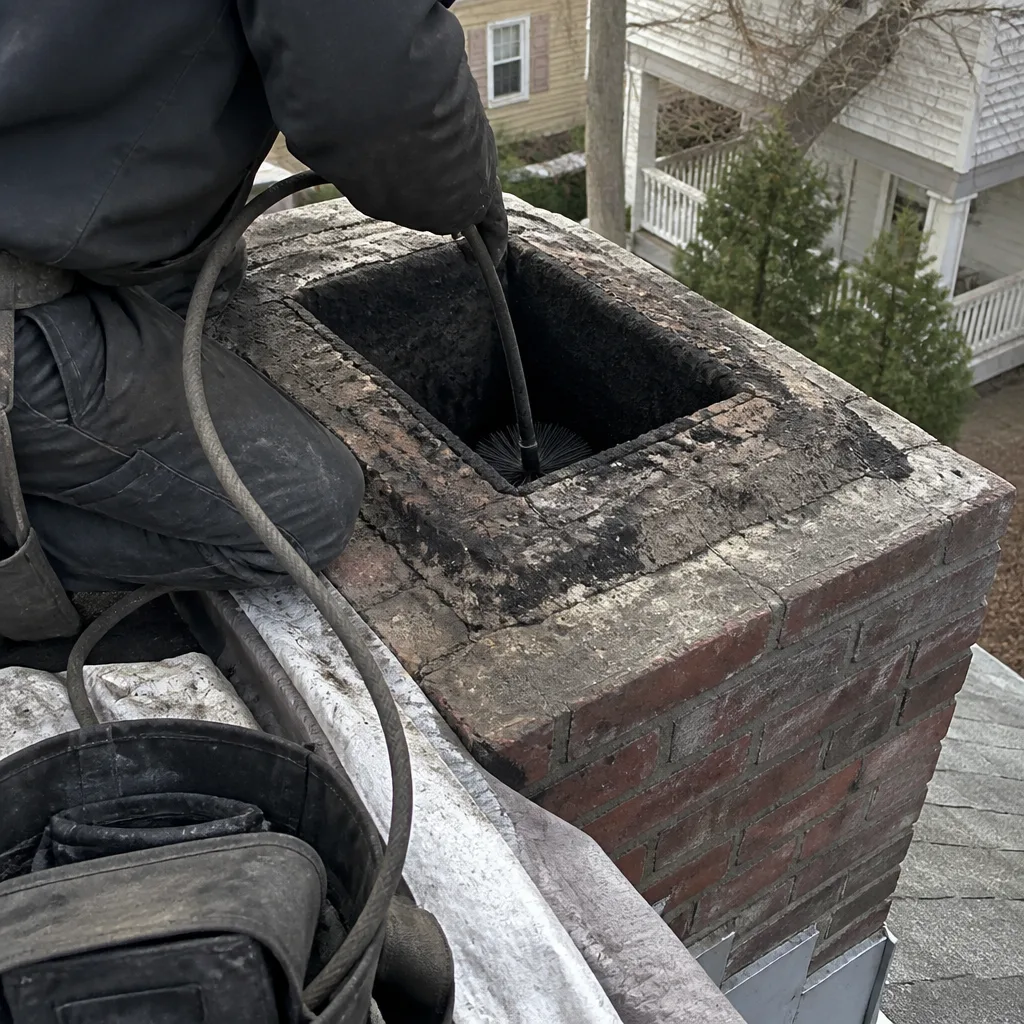 Before
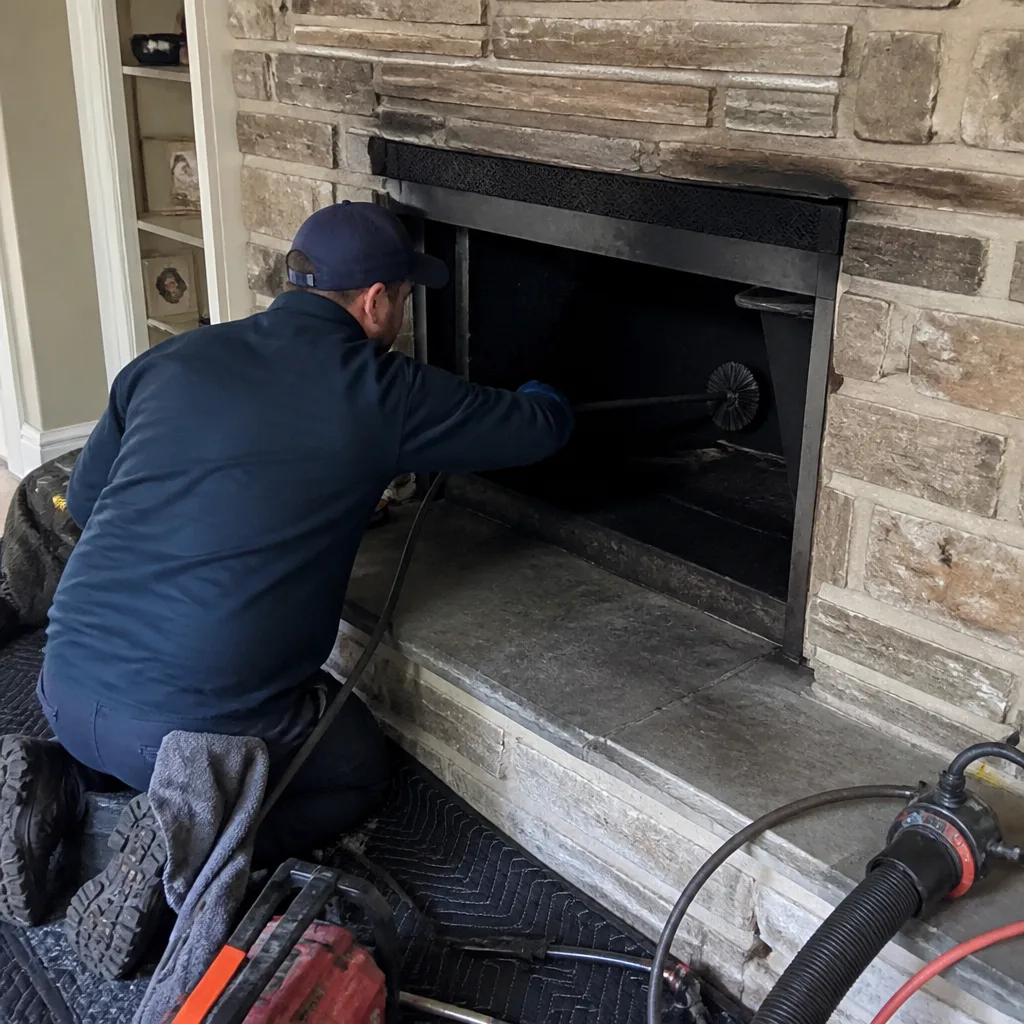 After
After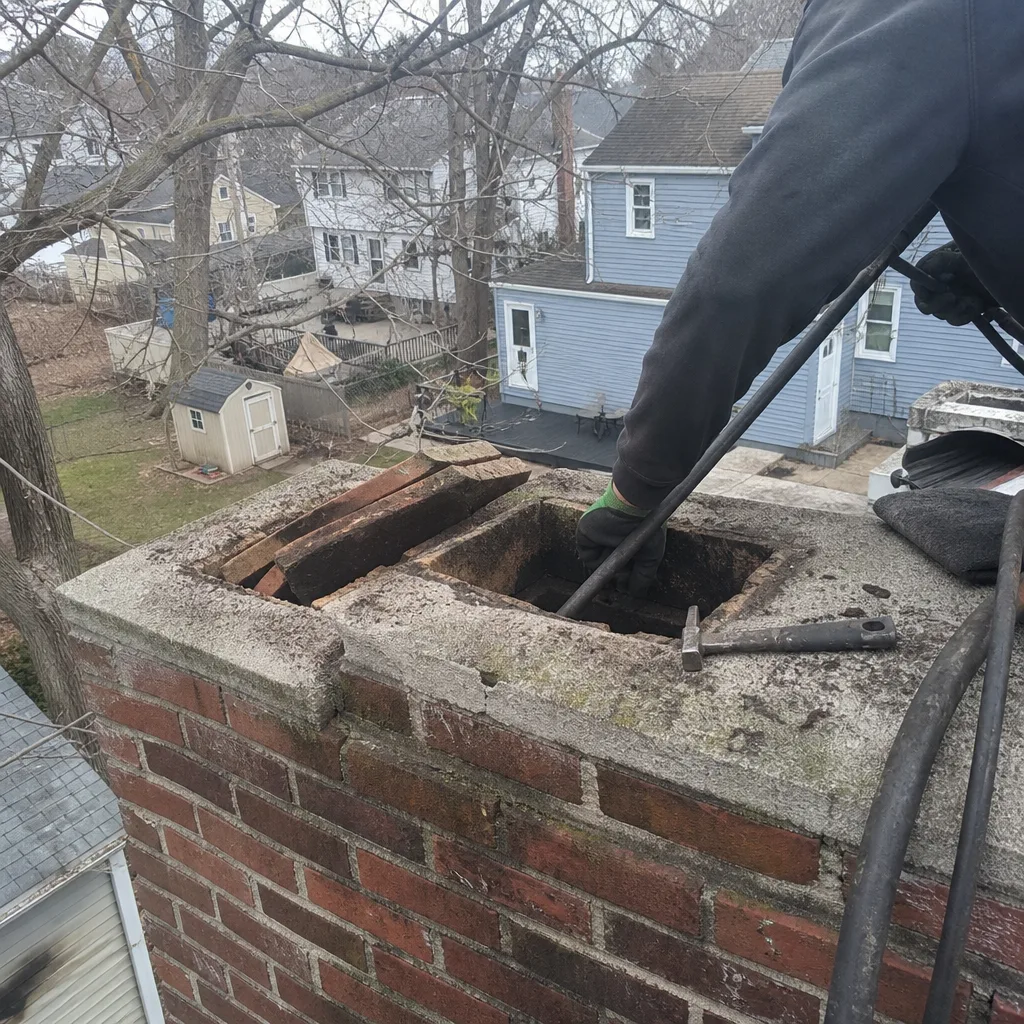 Before
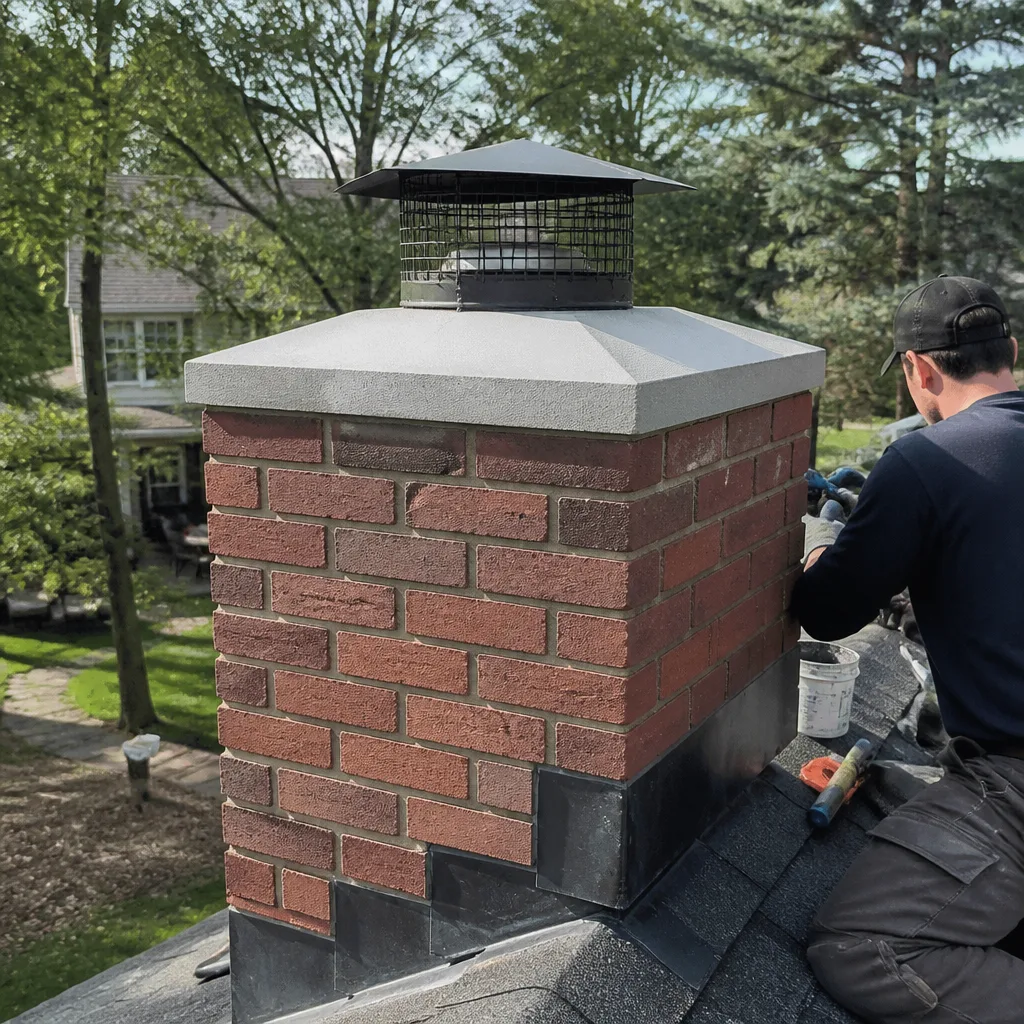 After
AfterChimney Cleaning & Sweep Maintenance Checklist for Cambridge Homeowners
Most chimney maintenance checklists are task lists that disappear into a drawer. The ones that actually protect Cambridge homeowners are evidence checklists - photos, written price, camera log - that you can produce on demand. In a city where nearly 70% of housing units are renter-occupied and triple-decker masonry stacks dominate the skyline, the documented record is often the only thing that proves work was done when a tenant, landlord, or insurer asks. This guide gives you a two-column checklist: what you verify before the sweep arrives, and what documentation you must receive before they leave. For more detail, see The Complete Guide to Chimney Cleaning in Cambridge.
Quick Answer
A complete chimney sweep maintenance checklist for Cambridge homeowners includes verifying technician credentials and scope before arrival, then receiving a written price, camera-scan photo record, and written warranty before any work begins. If you’re unsure whether it’s time, review Chimney Cleaning Warning Signs: A Cambridge Homeowner’s Reference Guide. Schedule annually, ideally in late summer before heating season, with additional checks after severe nor’easters. Retain all documentation for insurance claims, resale disclosure, and landlord-tenant disputes.
Table of Contents
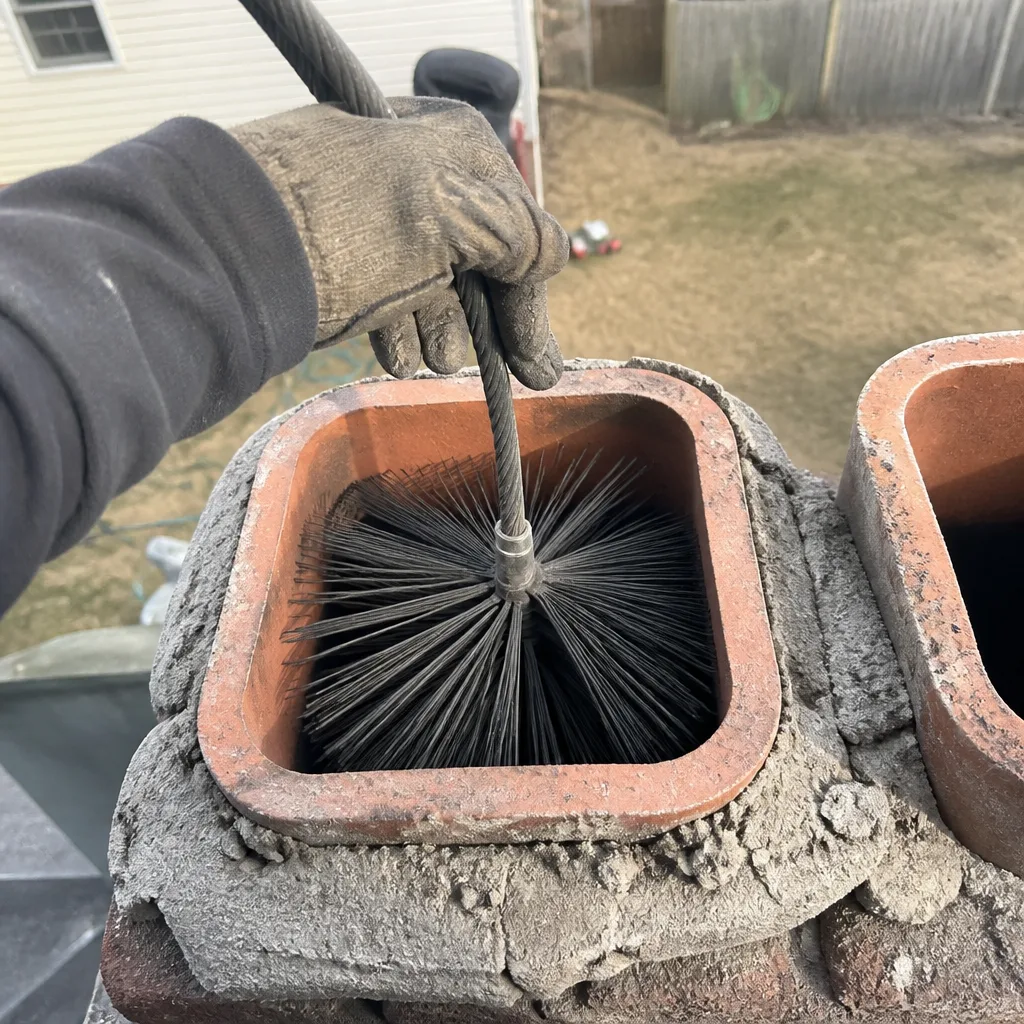
- Why Most Checklists Fail Cambridge Homeowners
- What to Verify Before the Sweep Arrives
- What Must Happen During the Visit
- Documentation You Must Receive Before They Leave
- Cambridge-Specific Maintenance Concerns
- Seasonal Timing: When to Schedule in Cambridge
- Using Your Checklist as a Contractor Accountability Tool
- Common Mistakes to Avoid
- When to Call a Professional
- Frequently Asked Questions
- The Bottom Line
BeforeAfterWhy Most Checklists Fail Cambridge Homeowners
The internet is full of chimney maintenance checklists. “Clean the firebox. Check the damper. Inspect the cap.” These are fine tasks. They are also useless in a dispute.
We’ve cleaned and inspected more than 38,000 chimneys since 2009, many of them in Cambridge’s dense rental market. The calls that turn into real problems are never about whether someone checked a box. They’re about whether that person can prove they checked it.
Consider a typical Cambridge scenario. A tenant in a Porter Square triple-decker reports a chimney leak to their landlord. The landlord produces a receipt from “Annual Chimney Service - $189.” The tenant’s insurer wants to know: Was the crown inspected? Was there a camera scan? What did the flue liner look like? That receipt answers none of these questions. The landlord pays out of pocket. Or worse, the claim is denied.
The Haven Standard was built for exactly this gap. Level Two Chimney Cambridge home inspections follow NFPA 211 Level 2 protocol: camera down the flue, photo record archived, written price before work starts. Clause 4 of the Haven Standard requires that documented photo record on every job. Not because it’s nice to have. Because in Cambridge’s housing market, it’s the only currency that spends.
This checklist is organized around evidence, not tasks. Use it to protect your property value, your insurance coverage, and your relationships with tenants or landlords.
What to Verify Before the Sweep Arrives
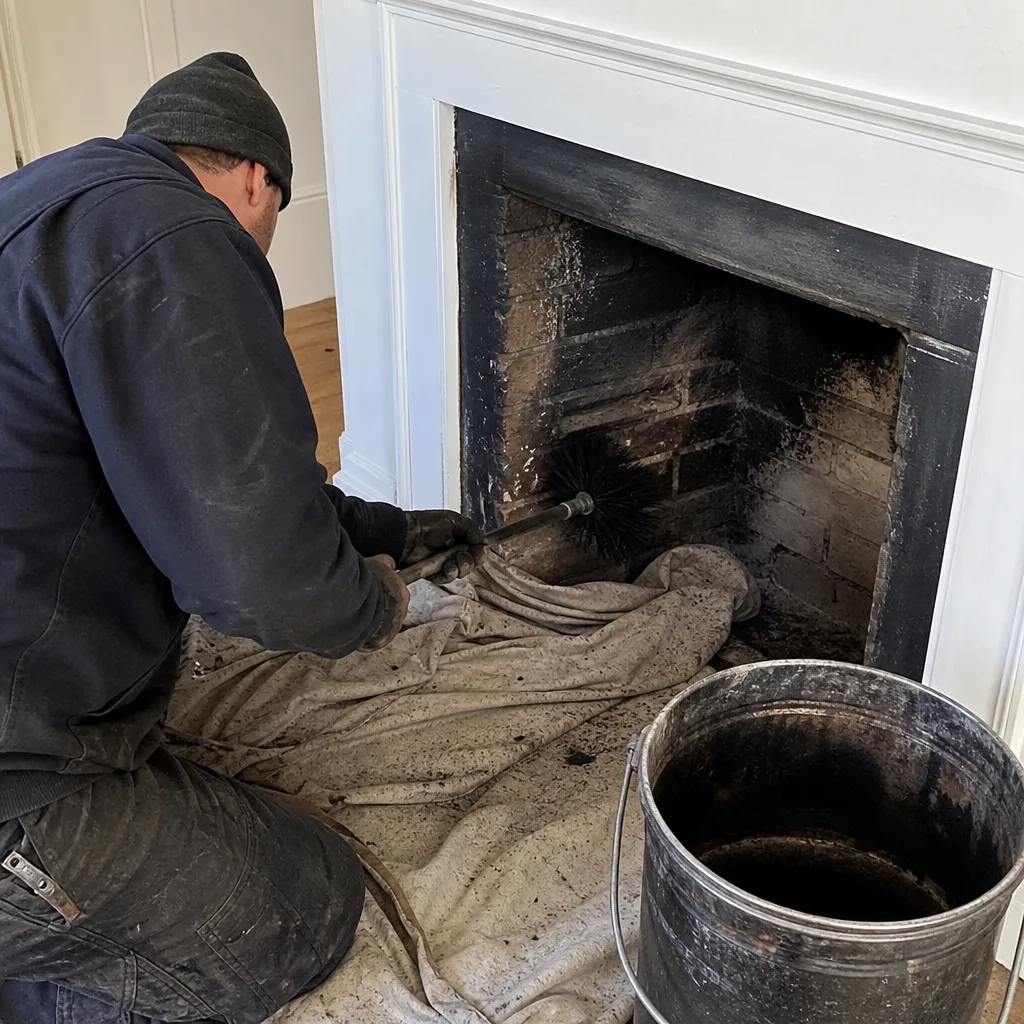
The work of a proper chimney sweep begins before the truck pulls up. These four verifications take five minutes and prevent most of the complaints we hear about other companies.
1. Confirm NFPA 211 Level 2 Inspection Scope
Ask directly: “Will this include a camera scan of the flue interior?” If the answer is hesitation, deflection, or an upsell pitch, schedule elsewhere. A Level 1 inspection - visual only, no camera - is appropriate only for chimneys that have been recently serviced and show no change in performance. For every other Cambridge home, especially pre-war construction with terra cotta flue liners, the camera scan is non-negotiable.
Verify the technician will inspect:
- Flue liner condition (cracks, gaps, spalling)
- Smoke chamber and firebox integrity
- Damper operation and seal
- Crown, cap, and flashing condition
- Exterior masonry for spalling or repointing needs
2. Request Written Price Before Booking
Haven Standard Clause 1 requires a written price, written scope, and written warranty before anyone starts - not after the tech is already in your home. This is not standard industry practice. Most Cambridge chimney companies quote ranges over the phone, then present a higher number on-site when they “find something.” The written price prevents this. It also creates the paper trail your insurer or tenant may later require.
3. Verify Technician Credentials
Ask: Will the technician’s license number be provided? Will they arrive in uniform? Will you receive a text when they’re en route? These are H.A.V.E.N. protocol points: Arrive on schedule, Verified crews. Background-checked technicians with displayed credentials protect you from liability and signal that the company has actual hiring standards, not subcontractor roulette.
4. Confirm Documentation Deliverables
Ask what you will receive after the visit. The answer should include: written inspection report, photo record of flue condition, written warranty or guarantee terms, and itemized pricing if repairs are recommended. If the answer is “we’ll email you a receipt,” that is insufficient.
Chimney Cleaning & Sweep in Cambridge should always include this documentation as standard, not as an upgrade.
What Must Happen During the Visit
Be present if possible. Not to hover, but to observe the process and ask questions while the technician has the camera in hand. Here’s what proper protocol looks like.
Step-by-Step: Observing a Level 2 Inspection
- Protective setup. The technician should lay drop cloths, seal the fireplace opening if needed, and run a vacuum with HEPA filtration. Ask about dust containment - Cambridge’s older homes have settled plaster and lead paint concerns.
- Exterior examination first. They should inspect the chimney crown, cap, flashing, and visible masonry before touching the interior. This establishes baseline condition and prevents interior work if structural issues make the chimney unsafe to use.
- Camera scan of flue interior. You should be invited to view the live feed. The technician should narrate what they see: “This is a clay flue liner, 8×12, installed approximately 1960. I’m noting hairline cracking at the third joint from the top - common in Cambridge freeze-thaw cycles.” Ask them to pause and capture still images of any anomaly.
- Smoke chamber and firebox inspection. The area above the damper and the firebrick lining should be examined for creosote buildup, cracks, or deterioration. Class III creosote - hard, tar-like, and glazed - requires mechanical removal, not standard brushing.
- Combustion analysis if applicable. For gas inserts or heating appliance connections, they should test draft and spillage with a manometer or draft gauge. Record the readings.
- Written findings presented before recommendations. You should see what they found before hearing what it costs to fix. This sequencing matters. It prevents the common tactic of leading with a scary number, then showing selective evidence to justify it.
If the technician resists showing you live camera footage, or presents a repair quote before showing you the damage, pause the visit. These are red flags for upselling pressure.
Documentation You Must Receive Before They Leave
This is the section most checklists omit entirely. It is also the section that determines whether your chimney maintenance protects you or merely cost you money.
Before any technician departs, you should have in hand or in inbox:
| Document | What It Must Include | Why It Matters |
|---|---|---|
| Written inspection report | Date, address, technician name, scope performed, findings by component | Creates dated record for insurance and resale |
| Photo record | Time-stamped images of flue interior, crown, firebox, any damage or anomalies | Proves condition at time of inspection; Clause 4 of Haven Standard |
| Written price for any recommended work | Itemized labor and materials, flat rate or not-to-exceed, expiration date | Prevents bait-and-switch; enables second opinions |
| Written warranty or guarantee | What’s covered, for how long, conditions for claim | 365-Day Done Right Promise at minimum |
| Service invoice/receipt | Company name, license info, payment terms | Tax record; proof of maintenance for insurer |
Retain these documents for the life of your home ownership, plus seven years. Scan to cloud storage. Cambridge’s housing market turns over frequently; these records transfer with the property and often appear in resale disclosure packets.
For rental properties, maintain a separate file per unit. Massachusetts landlord-tenant law does not explicitly require chimney maintenance documentation, but habitability disputes and security deposit litigation frequently turn on whether the landlord can prove proper maintenance. A dated photo record of a clean flue liner is stronger evidence than a handwritten log.
Cambridge-Specific Maintenance Concerns
Cambridge’s building stock and climate create chimney problems that don’t appear in generic maintenance guides. Address these specifically in your checklist.
Masonry Repointing on Exposed Triple-Decker Stacks
Cambridge’s iconic triple-deckers - wood-framed, three-story walk-ups with brick chimneys rising through flat or low-slope roofs - expose their chimney stacks to weather on all four sides. In neighborhoods like Inman Square, Union Square, and The Port, we regularly see accelerated mortar deterioration from wind-driven rain and freeze-thaw cycling.
Check for: missing or crumbling mortar joints, spalling brick faces, and efflorescence (white mineral deposits) indicating water penetration. Repointing costs in Cambridge typically run $25-$45 per square foot of wall area, with accessibility premiums for stacks above three stories. Address this before water enters the flue and damages the liner.
Cap Condition Before Nor’easter Season
Cambridge sits in the path of coastal storms that drive horizontal rain. A chimney cap with a 5-inch mesh screen and proper overhang is essential. We replace dozens of caps each October in Cambridge, often on chimneys that “seemed fine” in August. Check cap condition in September, not November. A missing or rusted cap admits water, animals, and debris directly to the flue.
Terra Cotta Liner Degradation in Pre-War Construction
Homes built before 1940 in Cambridge, Harvard Square, and Mid-Cambridge typically have unlined brick chimneys or single-wall terra cotta flue liners. These degrade predictably: flue gases condense on cooler upper sections, creating acidic moisture that erodes mortar joints from inside. The camera scan reveals this as “missing mortar” or “sanded joints” - gaps where the liner segments no longer seal. This condition is a carbon monoxide risk and typically requires stainless steel liner replacement using materials from DuraFlex or Olympia Chimney.
Gas Appliance Venting in Converted Spaces
Cambridge’s rental market drives frequent unit conversions: former coal fireplaces converted to gas inserts, basement apartments with direct-vent water heaters sharing old chimneys. These configurations require specific liner sizing and draft testing. Never assume a chimney that vented a fireplace adequately serves a 95% efficient furnace. The lower exhaust temperatures of high-efficiency appliances can fail to establish proper draft in an oversized flue, causing spillage.
Chimney Repair in Cambridge frequently involves these venting corrections, and they should only follow combustion analysis, not visual guesswork.
Seasonal Timing: When to Schedule in Cambridge
“Annually” is the standard advice. It’s also incomplete. Cambridge’s heating season and weather patterns create specific windows when scheduling matters.
Late Summer: The Optimal Window (August-September)
Schedule your sweep after the summer humidity has dried any spring moisture intrusion, but before the first sustained heating demand. This timing lets you address any summer damage - cap displacement, crown cracking from UV exposure - before first use. It also avoids the October-November rush when reputable companies book two to three weeks out and less reputable ones take advantage of urgency.
Post-Nor’easter: Event-Triggered Inspection
After any storm with sustained winds above 40 mph or significant ice accumulation, do a visual exterior check. Look for: displaced cap, new masonry debris on roof or ground, flashing separation at the roofline. If you see any of these, schedule an inspection before next use. Storm damage to chimney exteriors is often invisible from the ground but creates immediate fire or water hazards.
Pre-Sale: 60-90 Days Before Listing
Cambridge’s competitive seller’s market moves fast, but chimney issues discovered during buyer inspection can derail closings or trigger last-minute credits. A pre-listing Level 2 inspection with full documentation lets you address issues on your timeline, with your contractor, at known cost. It also signals to buyers that you’ve maintained the property properly.
Post-Installation: After Any New Appliance
New fireplace insert? Gas log set? Pellet stove? Schedule inspection after the first 30 days of use. Installation errors - improper liner connection, insufficient combustion air, incorrect clearances - often reveal themselves only under operating conditions. Catching them early protects your warranty and your safety.
Fireplace Services in Cambridge should always include this post-installation verification as part of responsible completion.
Using Your Checklist as a Contractor Accountability Tool
The final and most overlooked function of a maintenance checklist: holding your contractor to explicit standards. Most homeowner-contractor disputes arise from mismatched expectations, not malice. A checklist, presented at booking and reviewed at completion, prevents this.
How to Introduce the Checklist
When booking, say: “I’m using a maintenance checklist that requires written price before work, camera inspection with photo record, and itemized documentation. Can your technician accommodate this?” A legitimate company will say yes immediately. A hesitant or defensive response tells you what you need to know.
The Mid-Visit Check
At the start of the visit, hand the technician your checklist or review it verbally. “I’ll need to see the camera feed, and I’ll need the written findings before any repair recommendations.” This is not rude. It is the standard that Haven Standard Clause 1 codified in 2009 because homeowners were tired of post-visit sticker shock.
The Exit Review
Before paying, verify each documentation item on your checklist. Is the photo record time-stamped? Does the written price include expiration date? Is the warranty term stated? Ask for corrections before the technician leaves. Once they drive away, your leverage diminishes.
When to Exercise Your Free Second Opinion
Level Two Chimney Cambridge offers free second opinions on any written estimate from a competitor. Bring us their written scope, their photos, their price. We’ll review the documentation and tell you whether the recommended work matches the evidence. This service exists because Cambridge homeowners regularly receive quotes for full liner replacements when spot repair with HeatShield refractory mortar would suffice, or crown rebuilds when crown sealant from Gelco is appropriate.
The checklist empowers this second opinion. Without the competitor’s written documentation, you’re relying on memory and hope. With it, you have grounds for comparison.
Common Mistakes to Avoid
- Accepting a verbal quote. In Cambridge’s fast-moving market, homeowners often book over the phone with a “ballpark” figure. The final invoice rarely matches. Insist on written price before booking.
- Skipping the camera scan on “routine” cleanings. Every flue has a hidden interior. The camera reveals what brushing alone cannot: cracked liners, nest debris above the smoke shelf, hidden water damage. The scan takes 15 minutes. Omitting it saves nothing and risks everything.
- Using the same checklist for gas and wood-burning systems. Gas appliances require combustion analysis and liner sizing verification. Wood systems require creosote classification and clearance verification. A generic checklist misses both.
- Ignoring the crown until it leaks. Crown damage is progressive and invisible from ground level. By the time water enters the living space, the flue liner and interior framing may be compromised. Include crown inspection annually, not reactively.
- Failing to document tenant turnover. In Cambridge’s rental market, new tenants have no knowledge of prior maintenance. Provide them with the last inspection report and photo record. It protects you from claims of pre-existing deficiency.
- Scheduling in October without prior relationship. Reputable Cambridge chimney companies book solid by mid-September. October callers often get subcontractors, rushed inspections, or premium pricing. Build your relationship in August.
- Discarding documentation after “minor” repairs. That $340 crown sealant application becomes relevant when you sell, when your insurer disputes a later claim, or when the same area leaks again. Retain everything.
When to Call a Professional
Some conditions require immediate professional inspection, not checklist monitoring. Call a certified chimney professional if you observe: visible cracks in the flue liner or firebox brick; smoke entering the room during fireplace use; water staining on walls or ceiling near the chimney; a strong, persistent odor from the fireplace in warm weather (indicating creosote buildup or animal intrusion); or any event involving chimney fire - rapid drafting, loud cracking, or visible flames in the flue.
Carbon monoxide is the hidden risk: odorless, colorless, and potentially fatal. If your CO detector alarms and the chimney serves any combustion appliance, evacuate and call for inspection before reoccupying. Do not attempt to diagnose draft problems yourself.
Level Two Chimney Cambridge offers our Chimney Cleaning & Sweep services with free estimates in Cambridge. Our technicians arrive with camera equipment, provide written price before any work begins, and document every visit under Haven Standard Clause 4. Call (857) 309-1908 to schedule or to request a free second opinion on any written estimate you’ve received.
Frequently Asked Questions
A complete Level 2 chimney inspection with sweep in Cambridge typically costs $280-$420, depending on accessibility, appliance type, and creosote severity. This includes the camera scan, photo record, and written report. Repairs are quoted separately in writing before any additional work begins. Call (857) 309-1908 for an exact quote - estimates are free. You can also find more guides & resources on our site.
You need a new liner only if the existing one is damaged, improperly sized for your appliance, or absent. We determine this by camera scan, not guesswork. In Cambridge’s pre-war housing stock, we often find terra cotta liners with cracked segments or eroded mortar joints that can be repaired with HeatShield refractory sealant rather than full replacement. We show you the camera footage and explain the options. Nothing is recommended without evidence you can see.
Once annually for wood-burning systems, per NFPA 211. Gas systems should be inspected annually and swept as needed based on debris or venting analysis. In Cambridge’s dense tree canopy - particularly near Fresh Pond and the Charles River - we see more frequent cap and flue obstructions from leaves and nesting material. If you hear animal activity or notice drafting changes, schedule outside the annual cycle.
Skipped maintenance leads to three predictable outcomes: creosote accumulation increases chimney fire risk; moisture intrusion degrades liners and masonry, leading to costly rebuilds; and undetected venting problems create carbon monoxide exposure. In Cambridge’s competitive insurance market, a chimney fire claim without documented annual maintenance may result in coverage disputes or premium increases. The documented inspection protects more than your chimney.
Light firebox cleaning and ash removal are homeowner tasks. Flue sweeping and liner inspection are not. The combination of height work, confined flue space, and creosote classification requires training and equipment. More critically, without camera documentation, your work cannot be proven to insurers or in resale. Professional service with photo record is the only maintenance that protects your legal and financial interests.
A Level 1 inspection is visual, accessible-surface only - appropriate for chimneys with no changes and no performance issues. A Level 2 inspection adds camera scan of the flue interior, accessible portions of the attic and basement, and combustion analysis where applicable. In Cambridge, where most housing stock is pre-1970 and has experienced modifications, Level 2 is the appropriate default. Clause 4 of the Haven Standard requires this documentation on every Level Two Chimney Cambridge visit.
The Bottom Line
A chimney maintenance checklist is only as valuable as the evidence it produces. For Cambridge homeowners - whether owner-occupants in Harvard Square condos, landlords in Inman Square triple-deckers, or sellers in Porter Square - the documented record is the protection. Verify credentials and scope before the sweep arrives. Observe the camera scan during the visit. Receive written price, photo record, and warranty before anyone leaves. Retain everything. And when in doubt, get a second opinion on any estimate that doesn’t show its work.
Written by Corrine Halstead, Owner at Level Two Chimney Cambridge, serving Cambridge since 2009.