
Last updated September 22, 2026
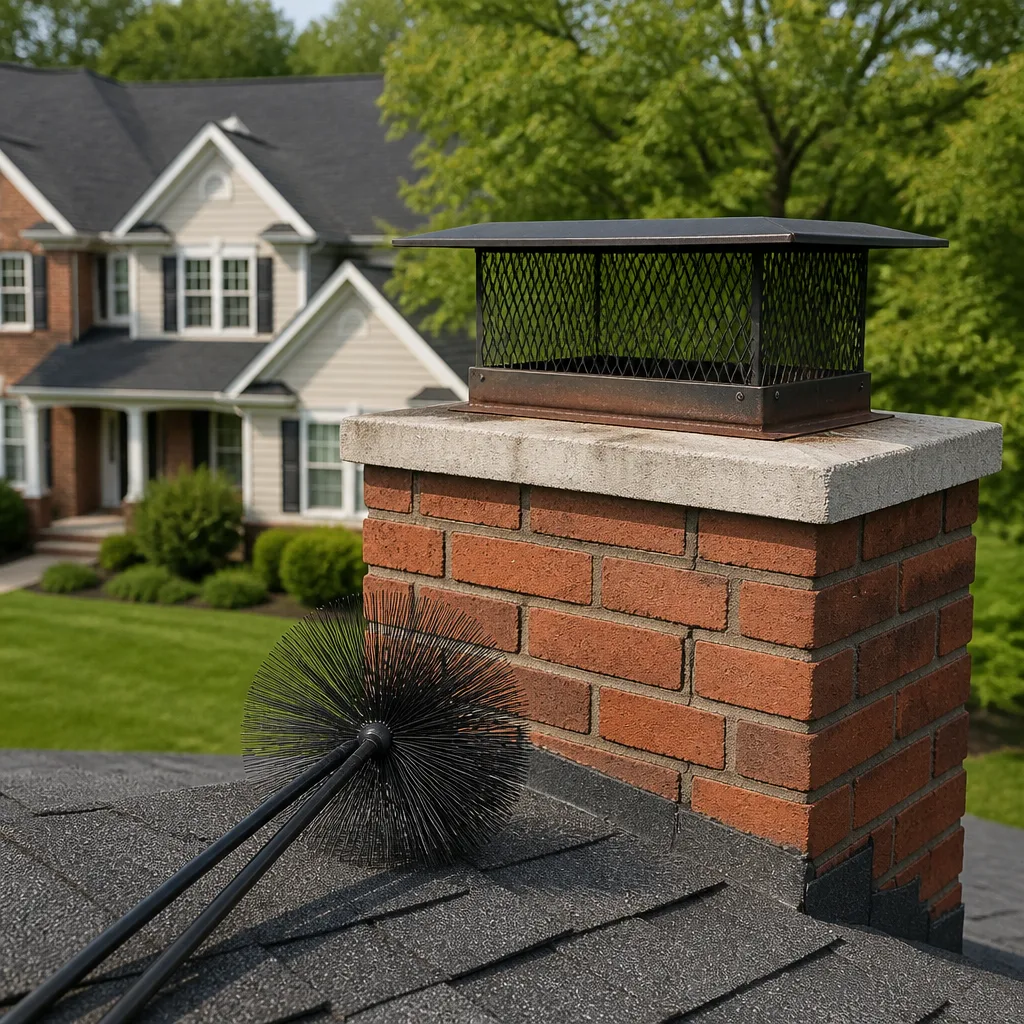
Level 1 sweep and inspection to the NFPA 211 annual standard - flue, crown, cap, and flashing checked and photographed
Chimney sweep logs do not sweep chimneys. They loosen some creosote - which then falls where a brush and vacuum still have to collect it.
Gas fireplace service
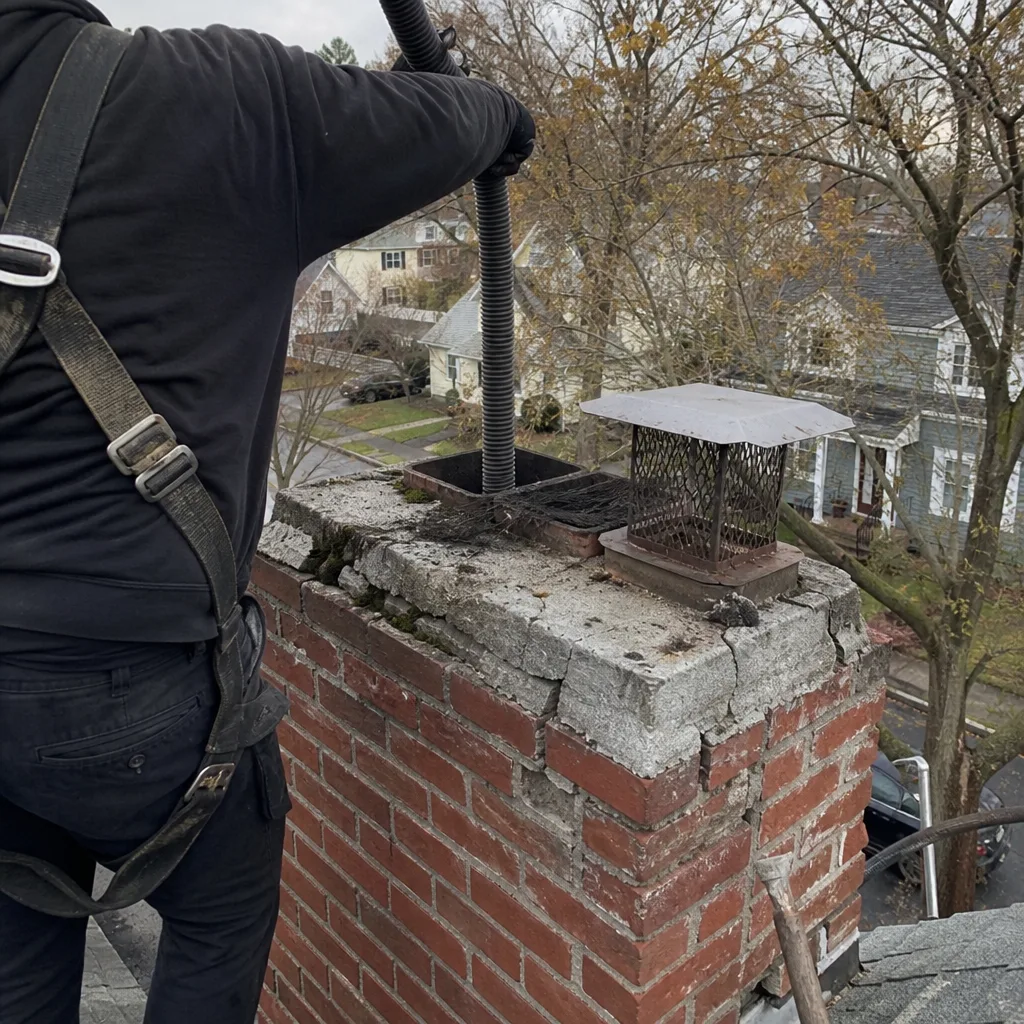 Before
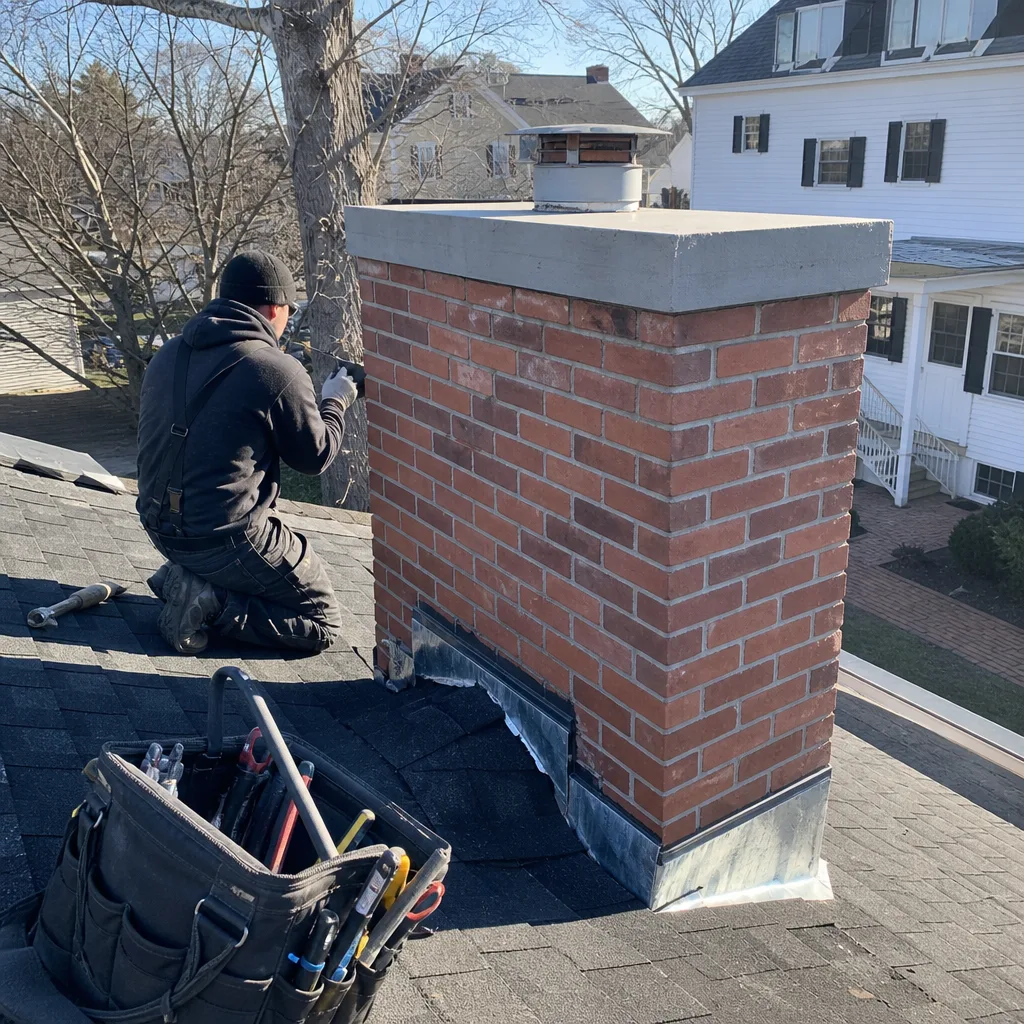 After
After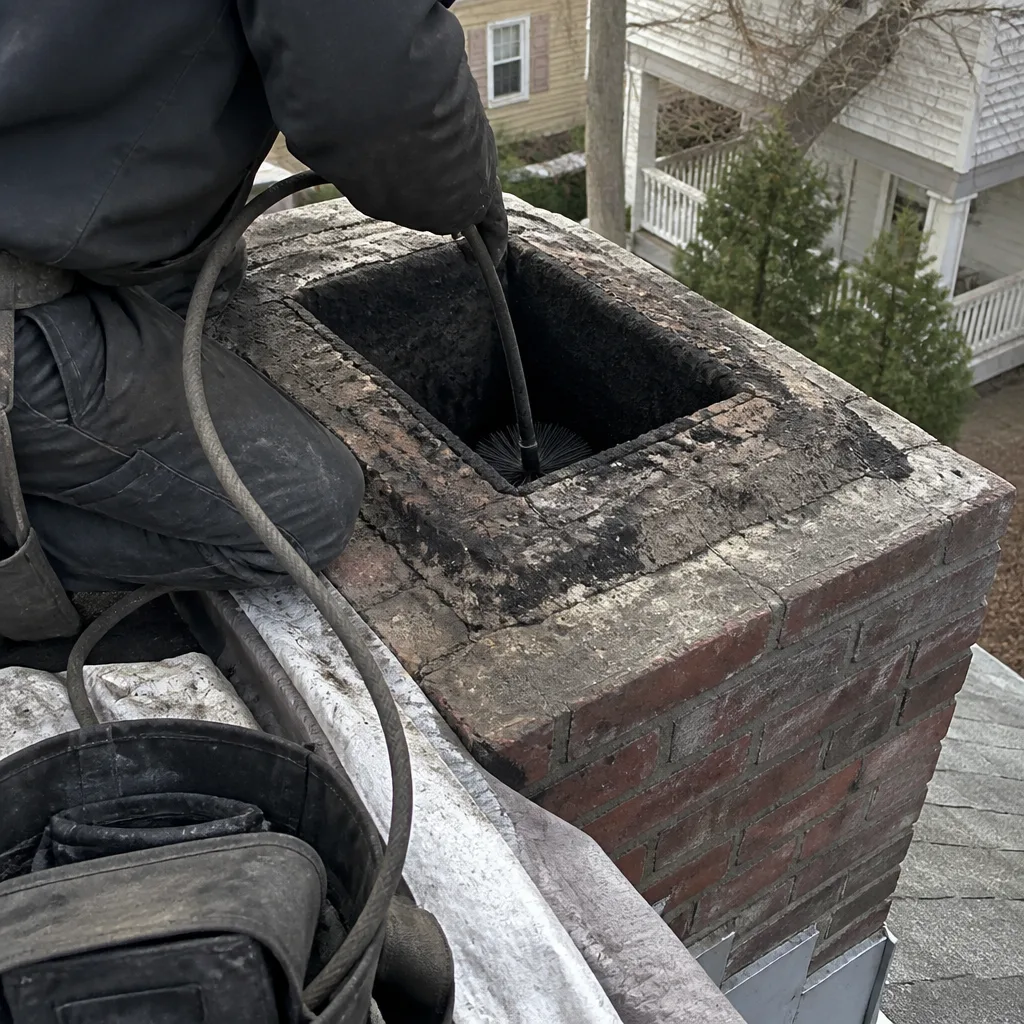 Before
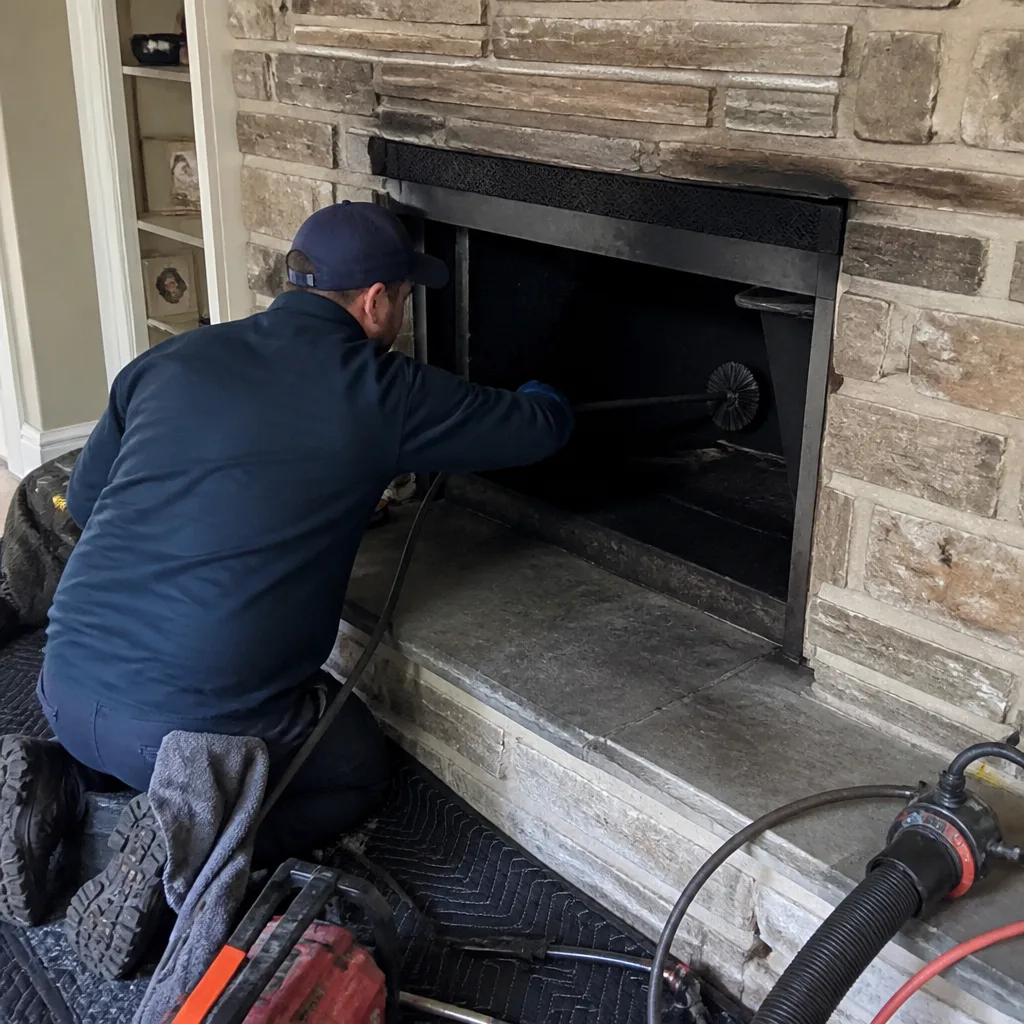 After
After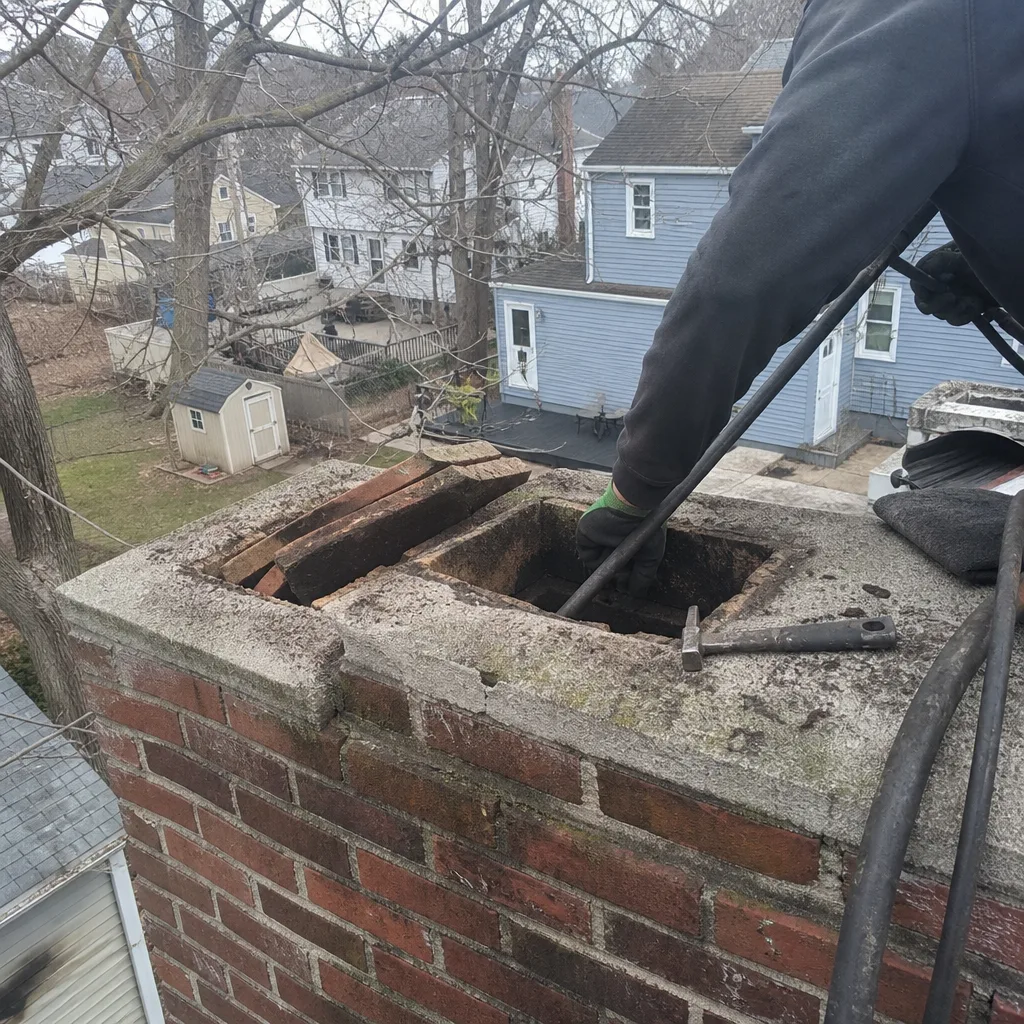 Before
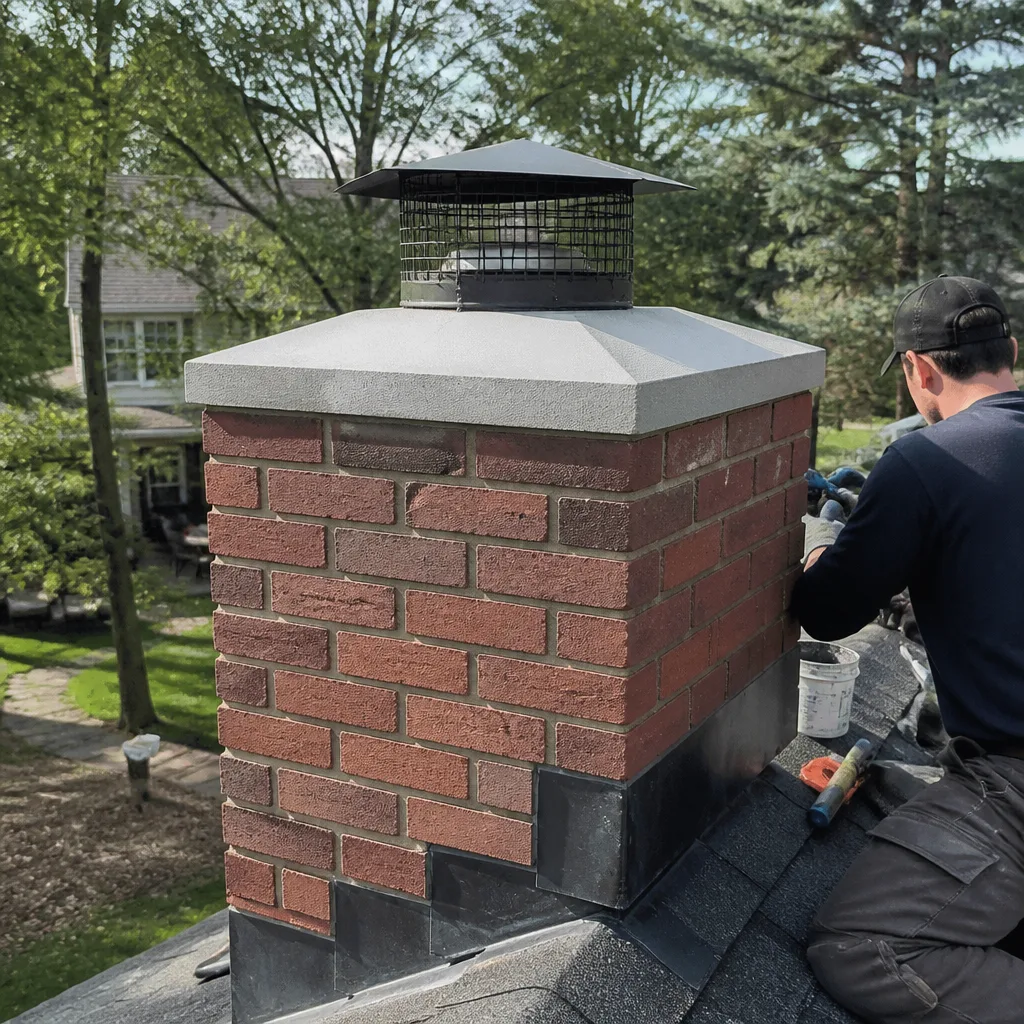 After
AfterThe Complete Guide to Chimney Cleaning in Cambridge
The majority of Cambridge’s housing stock was built before 1940. That means the flue your sweep cleaned last year may have been designed for a coal stove that hasn’t existed in that house since Truman was president. We’ve pulled cameras out of flues in Inman Square triple-deckers that still carry the soot profile of 1880s anthracite, then found the same chimney retrofitted with a 2020 EPA-certified wood insert choking on exhaust temperatures the original mason never imagined. In this guide, we’ll walk through what Cambridge’s specific building stock means for creosote buildup, liner compatibility, and the inspection documentation your insurer will actually accept after a fire. For seasonal chimney cleaning care for Cambridge, see our year-round homeowner’s guide. You’ll learn how to read a sweep’s report, what NFPA 211 really requires, and why a flashlight look and a camera scan are different inspections with different legal weight.
Quick Answer
Chimney cleaning in Cambridge typically costs $189-$349 for a standard sweep with NFPA 211 Level 2 camera inspection included. A proper cleaning removes creosote deposits, verifies flue liner integrity, and produces a documented photo record. In Cambridge’s pre-war housing stock, the critical variable isn’t just when you last burned - it’s whether your flue was ever resized for your current appliance.
Table of Contents
- Why Cambridge Chimneys Are Different
- What Happens During a Proper Chimney Sweep
- Level 1 vs. Level 2 Inspection: The Legal Difference
- Shared Flues and Multi-Unit Buildings
- How Often Should You Clean Your Chimney
- Reading Your Sweep Report: What Good Documentation Looks Like
- Costs and What Affects Pricing
- Common Mistakes to Avoid
- When to Call a Professional
- Frequently Asked Questions
BeforeAfterWhy Cambridge Chimneys Are Different
Cambridge’s building environment creates chimney problems you won’t find in a national guide. Three factors dominate: age of housing, density of multi-family construction, and the city’s transition from coal to wood to gas over successive decades without consistent flue modification.
Pre-1940 clay tile and modern appliance mismatch. Most Cambridge neighborhoods - from Harvard Square to East Cambridge, from Porter Square to the Area 4 tenements - contain masonry flues lined with unglazed clay tile installed between 1880 and 1930. These tiles were sized for coal combustion: high draft, low moisture, relatively low flue gas temperatures. A modern wood-burning insert or high-efficiency gas appliance produces cooler, wetter exhaust that condenses creosote and acidic condensation against tile joints that were never sealed for it. We’ve documented spalling tile in Cambridge flues at twice the rate we see in post-1950s construction in surrounding towns.
The triple-decker shared flue problem. Cambridge’s iconic three-decker housing, concentrated in neighborhoods like Inman Square, Union Square, and parts of Cambridgeport, often contains single flues serving multiple heating appliances across floors. NFPA 211 prohibits shared flues for solid-fuel appliances, but many buildings still operate under grandfathered configurations or undocumented modifications. A sweep working on the second floor may find the flue partially obstructed by a first-floor tenant’s deteriorating liner - a condition invisible from either access point without a camera scan.
Coal-to-wood retrofit residue. In Cambridge’s older homes, particularly in Mid-Cambridge and the Brattle Street corridor, we’ve found flues with layered deposits: coal soot at the base, mid-century oil residue, and modern creosote capping the stack. Each layer has different chemical properties and removal requirements. Standard rotary sweeping can polish coal soot into a glazed surface that traps creosote above it, accelerating buildup.
Freeze-thaw masonry damage. Cambridge’s coastal New England climate produces more annual freeze-thaw cycles than inland Massachusetts. Water infiltration through deteriorated crowns or missing caps saturates brickwork, which expands when frozen. We’ve replaced crowns in Cambridge at higher frequency than in drier western Massachusetts markets, and we document crown condition as a standard element of every inspection.
What Happens During a Proper Chimney Sweep
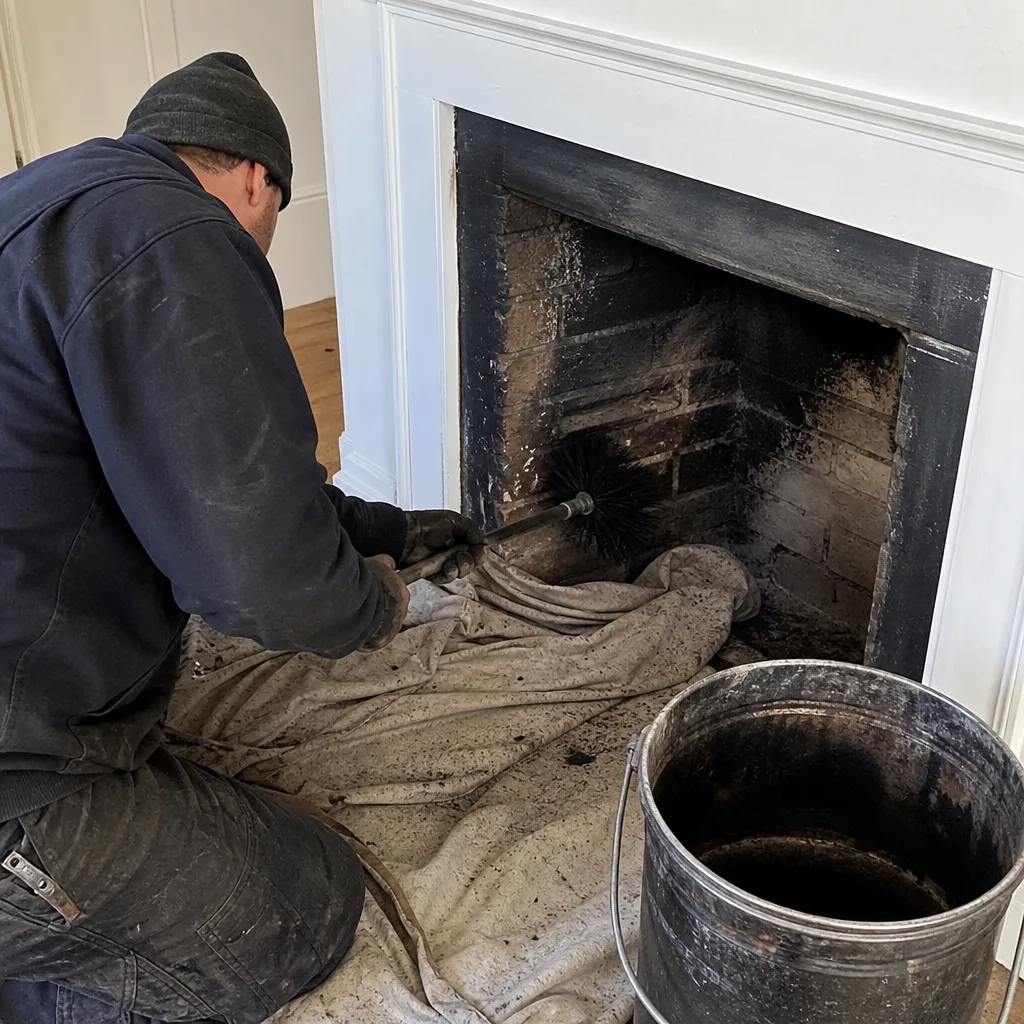
A proper chimney sweep in Cambridge follows a sequence defined by NFPA 211, adapted to the specific conditions of pre-war construction. Here’s what happens when we arrive at a Cambridge address:
- Pre-work documentation and protection. We lay floor protection from the entry to the hearth, inspect the appliance and visible chimney structure for immediate hazards, and record baseline conditions with photos. In Cambridge’s tight urban floor plans, this means negotiating narrow staircases and protecting original hardwood that owners rightly guard.
- Camera inspection before cleaning. We run a high-resolution camera the full length of the flue before touching a brush. This establishes the condition baseline, identifies obstructions or liner damage that would change our approach, and documents pre-existing conditions. In shared flue buildings, this step often reveals cross-connections or undocumented tee fittings that change the cleaning sequence.
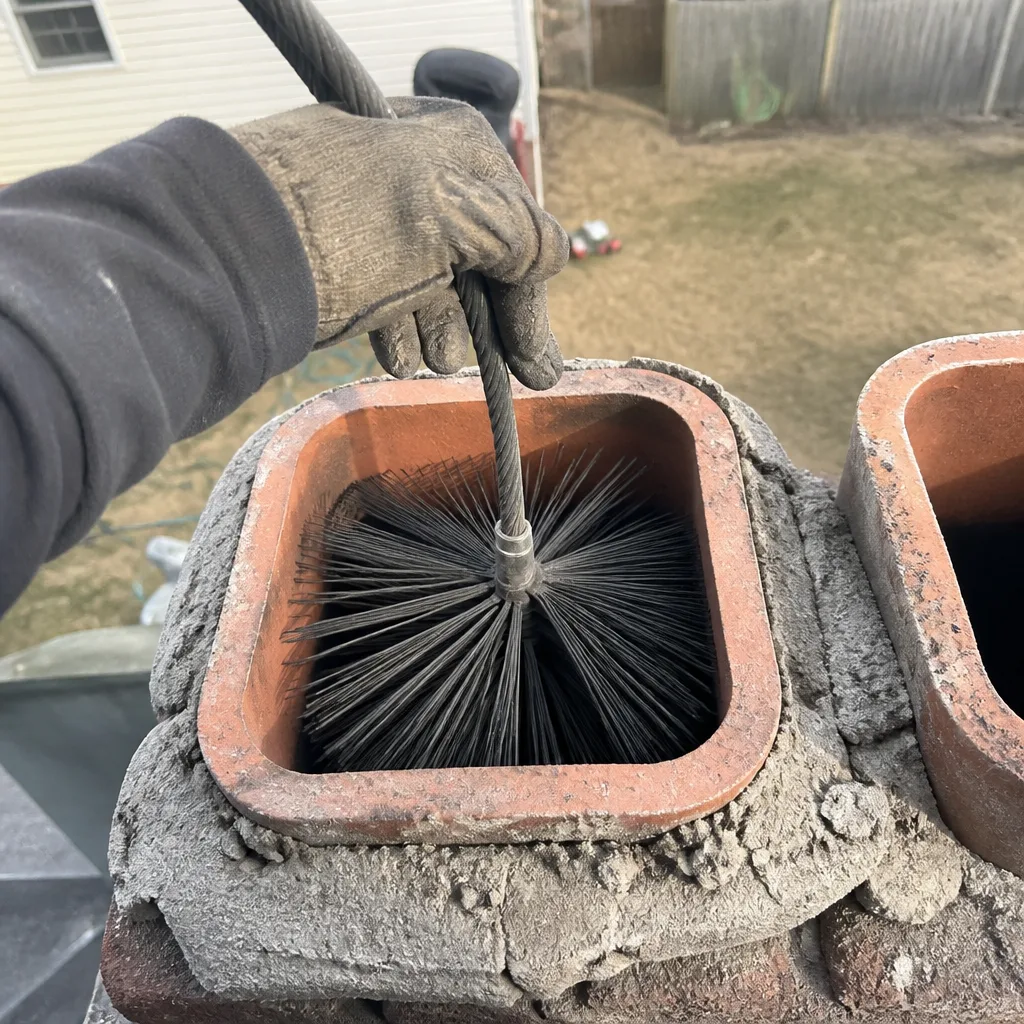
- Mechanical creosote removal. We match the cleaning method to the deposit type. Light, powdery Class I creosote responds to standard poly brushes. Glazed Class II deposits require harder bristles or mechanical scrapers. Class III glazed tar - common in Cambridge where homeowners burn unseasoned wood in undersized flues - may require chemical treatment and a return visit. We do not guess; the camera tells us what we’re facing.
- Smoke chamber and firebox cleaning. The smoke chamber - the area above the damper that funnels exhaust into the flue - accumulates creosote in Cambridge’s shallow, coal-era fireboxes that were never designed for wood combustion. We clean and inspect this area, which many sweeps skip entirely.
- Post-cleaning camera verification. We run the camera again to verify complete removal and document flue condition. This second scan produces the photo record that Clause 4 of the Haven Standard requires us to archive.
- Written report and pricing for any needed repairs. Before we pack tools, we deliver a written report with photos, a written scope and price for any recommended work, and a written warranty on work performed. No verbal estimates. No “we’ll email something later.”
The entire process typically takes 60-90 minutes for a standard Cambridge single-family flue. Shared flue buildings or Class III creosote conditions extend this timeline.
Level 1 vs. Level 2 Inspection: The Legal Difference
NFPA 211 defines four inspection levels, but only two matter for routine Cambridge homeowners: Level 1 and Level 2. The difference isn’t academic. It determines whether your documentation holds up with insurers, code officials, and fire investigators.
Level 1 Inspection: A visual examination of readily accessible portions of the chimney exterior, interior, and connecting appliances. No tools required. No camera. No roof access necessary. This is what most Cambridge sweeps deliver when they advertise a “chimney inspection.” It’s appropriate only when no changes have been made to the system and no problems are suspected. In our experience, it is almost never sufficient for Cambridge’s pre-war housing stock.
Level 2 Inspection: A camera-assisted inspection of internal surfaces, accessible portions of the attic and basement, and inspection of clearances to combustibles. Required by NFPA 211 upon sale or transfer of property, after chimney fire or operating malfunction, or after any change to the system. This is what we perform on every Cambridge visit, regardless of circumstances, because Cambridge’s building stock virtually guarantees conditions that a Level 1 would miss.
The legal weight matters. After a chimney fire in Cambridge, your homeowner’s insurer will request inspection documentation. A Level 1 report with a checkbox and a signature carries minimal weight. A Level 2 report with timestamped photos of flue liner condition, creosote classification, and crown integrity - archived under Haven Standard Clause 4 - demonstrates due diligence that affects claim processing.
We’ve provided our archived photo records to Cambridge homeowners facing insurance disputes. In every case, the documented pre-existing condition or the documented clean flue after our service resolved the question in the homeowner’s favor. A flashlight inspection creates no such protection.
Shared Flues and Multi-Unit Buildings
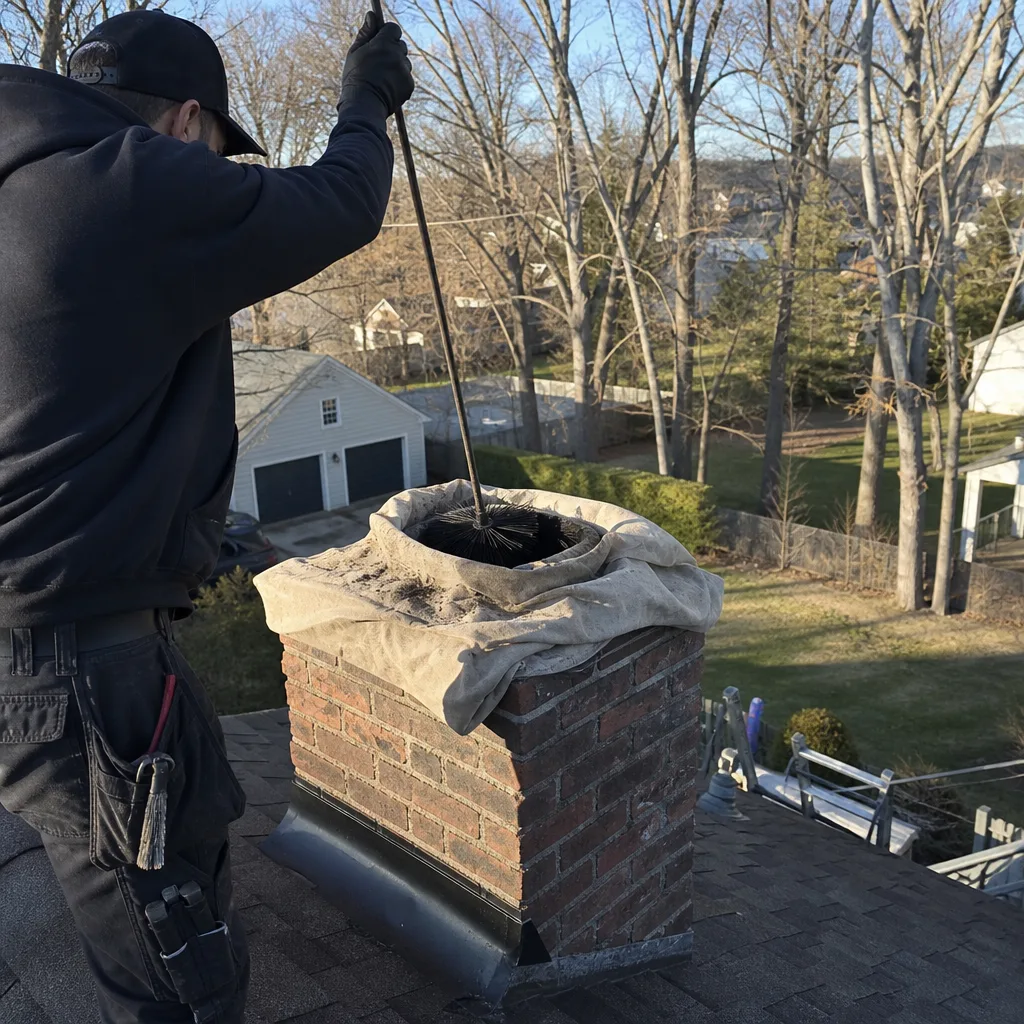
Cambridge’s triple-deckers and converted two-families present chimney configurations that single-family guides never address. A shared flue - one masonry passageway serving multiple appliances or multiple units - changes everything about cleaning protocol and liability.
What Cambridge building stock contains. In neighborhoods like Inman Square, Union Square, and the Cambridgeport waterfront, we regularly encounter flues where a basement gas water heater, a first-floor gas boiler, and a second-floor sealed fireplace all exhaust into the same masonry passageway. NFPA 211 prohibits this configuration for solid-fuel appliances, but enforcement relies on inspection discovery. Many Cambridge landlords have never had a camera in their flue.
Why cleaning sequence matters. Sweeping a shared flue from one access point can dislodge debris into another unit’s appliance connection. We coordinate access across units when possible, or we seal and protect downstream connections before cleaning. A sweep who doesn’t ask whether your flue is shared - or who treats a triple-decker like a single-family - risks sending soot into a neighbor’s living space.
Liability and documentation. In multi-unit Cambridge buildings, the sweep’s report may become evidence in landlord-tenant disputes or insurance subrogation. We document which appliances connect to which flue segments, photograph all access points, and note any code violations. This documentation protects property owners who act on it and creates a record for those who need to prioritize repairs across multiple units.
We’ve found undocumented tee connections in Cambridge shared flues that directed exhaust into wall cavities. These are fire hazards. They’re invisible without a camera. And they’re not rare in our experience with Cambridge’s older multi-family stock.
How Often Should You Clean Your Chimney
NFPA 211 states that chimneys should be inspected annually and cleaned as needed. “As needed” depends on use, fuel, and the specific conditions of Cambridge’s housing stock. Here’s how we assess frequency for Cambridge homeowners:
- Wood-burning fireplace, regular use (3+ times weekly): Annual sweep, typically every cord of wood burned. In Cambridge’s small coal-era fireboxes, which concentrate heat and restrict draft, we often find accelerated creosote buildup. Many Cambridge wood-burning households need sweeping every 6-9 months despite modest burn volumes.
- Wood-burning insert in original fireplace: Annual inspection mandatory; cleaning frequency depends on insert efficiency and wood moisture. EPA-certified inserts run cooler flue gas temperatures that increase condensation. We’ve replaced liners in Cambridge inserts that failed in 3-4 years due to acidic condensation on improperly sized flues.
- Gas fireplace or gas boiler: Annual inspection recommended; cleaning less frequent but not optional. Debris from deteriorating flue liners, animal nesting, or moisture damage still obstructs gas exhaust. Carbon monoxide risk from blocked gas flues is higher than most Cambridge homeowners recognize.
- Oil heating system: Annual service by an HVAC technician includes flue inspection; separate chimney sweep every 2-3 years unless inspection indicates sooner. Sulfuric acid from oil combustion degrades clay tile faster than gas exhaust.
- Pellet stove: Annual inspection; cleaning every 1-2 tons of pellets burned. Pellet exhaust contains fly ash that accumulates in horizontal vent runs common in Cambridge’s tight installations.
Cambridge’s specific risk factors - pre-war clay tile, frequent freeze-thaw cycling, and high proportion of retrofitted appliances - push most of our clients toward annual inspection regardless of fuel type. The cost of documentation is lower than the cost of discovering a deteriorated liner through a carbon monoxide alarm or a fire.
Reading Your Sweep Report: What Good Documentation Looks Like
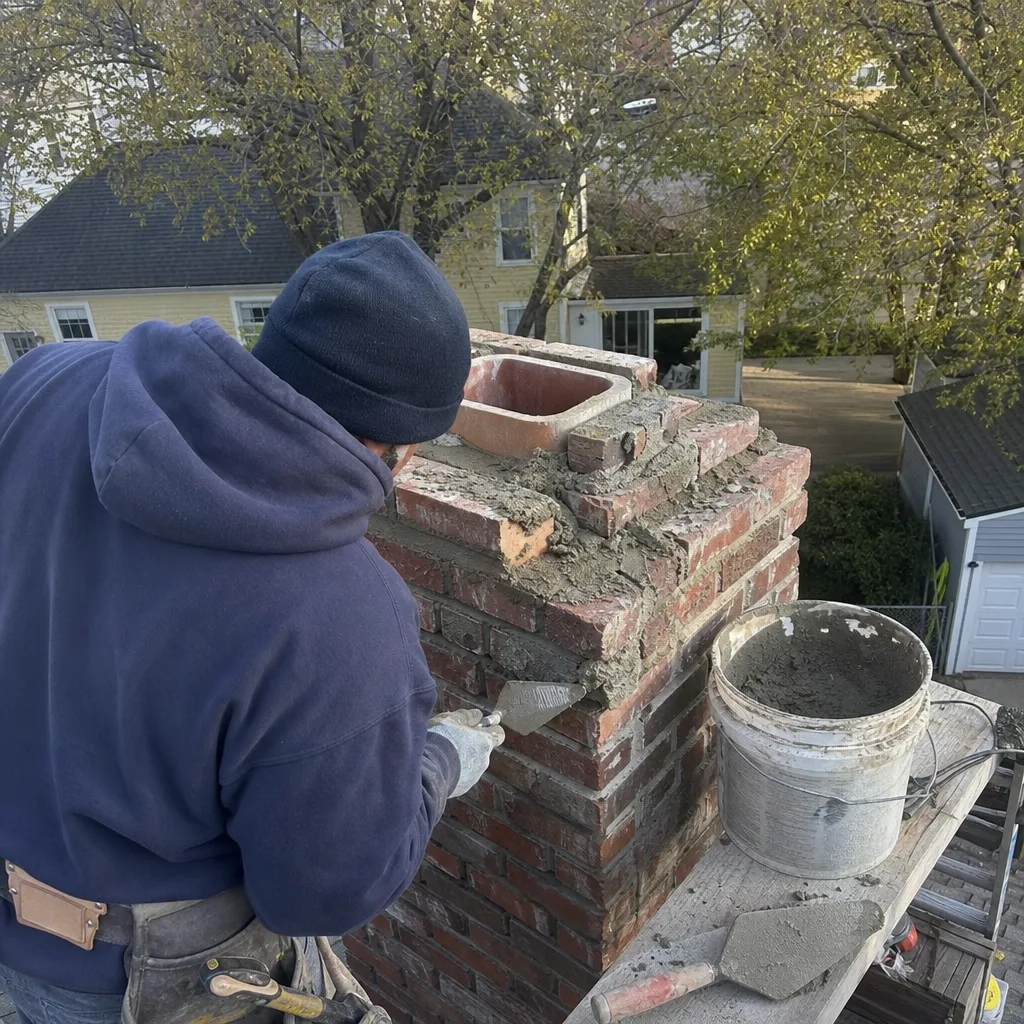
Most Cambridge homeowners receive a one-line invoice: “Chimney swept, $225.” This is not a report. It documents nothing about flue condition, creates no baseline for future comparison, and provides no protection in disputes. Here’s what a proper sweep report contains, and what you should demand.
The Haven Standard report format we use in Cambridge includes:
- Property and appliance identification. Address, appliance make and model, fuel type, and flue dimensions. In Cambridge’s multi-unit buildings, we identify the specific flue segment and access point.
- Pre-cleaning camera images. Timestamped photos at measured intervals (every 3 feet in a standard flue) showing creosote class, liner condition, and any obstructions. We note spalling tile, cracked liners, mortar loss, and glazing.
- Creosote classification. Class I (sooty, easily removed), Class II (crusty, requires mechanical action), or Class III (glazed tar, may require chemical treatment). We explain what we found and what caused it.
- Liner integrity assessment. For clay tile, we note missing tiles, cracked segments, and mortar joint condition. For stainless steel, we note corrosion, separation at joints, and proper sizing per appliance. For unlined flues - still common in Cambridge’s oldest housing - we note this explicitly and explain the hazard.
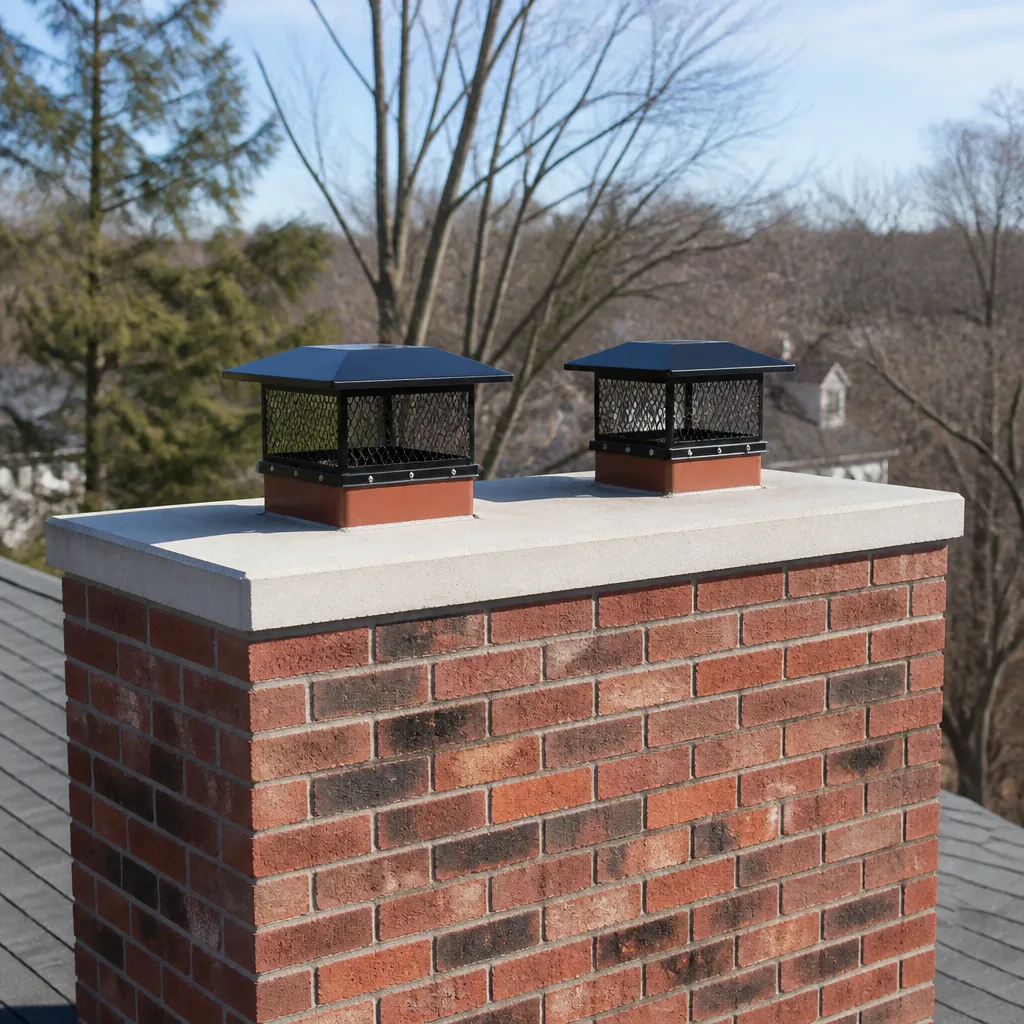
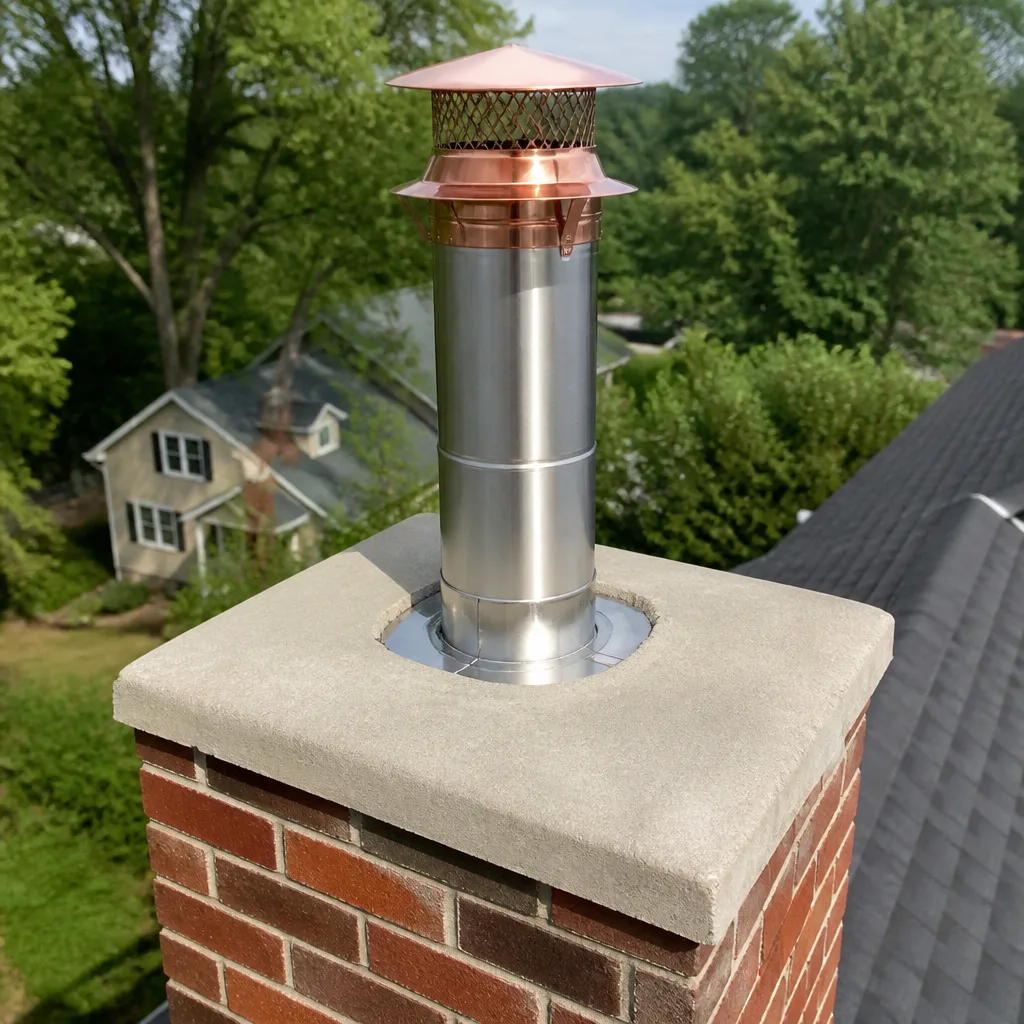
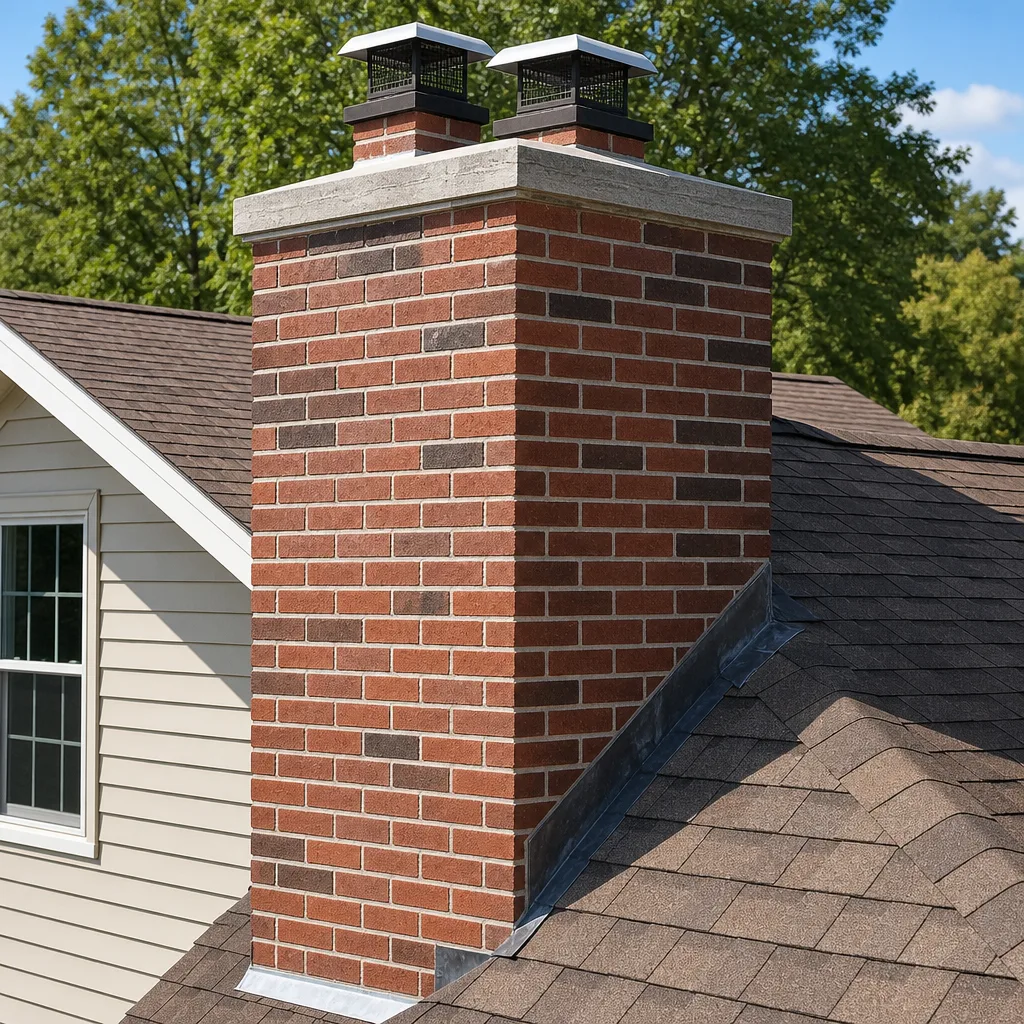
- Crown, cap, and exterior masonry condition. Photos of the crown for cracks, the cap for proper screening, and the exterior for spalling brick or deteriorated mortar.
- Smoke chamber and firebox condition. Photos of the area above the damper and the firebox floor, noting any cracks, deterioration, or creosote accumulation.
- Clearance verification. Where accessible, we note whether combustible materials maintain required clearances to the chimney structure. Cambridge’s old framing often encroaches on modern clearance requirements.
- Post-cleaning verification images. Proof of complete removal and final flue condition.
- Written scope and price for recommended work. Itemized, with materials specified (DuraFlex liners, HeatShield resurfacing, Olympia Chimney components, Famco caps, or Copperfield crowns where applicable). No verbal add-ons.
- Written warranty on work performed. Our 365-Day Done Right Promise, with specific terms.
A report without photos is an opinion. A report with photos but no written price before work is a sales tool, not documentation. Demand both. Clause 1 and Clause 4 of the Haven Standard exist because we saw what Cambridge homeowners were receiving from competitors and built our practice in opposition to it.
Costs and What Affects Pricing
Chimney cleaning costs in Cambridge vary with access difficulty, flue condition, and the inspection standard applied. Here’s what Cambridge homeowners should expect:
| Service | Typical Range | What’s Included |
|---|---|---|
| Standard sweep with Level 2 inspection | $189-$349 | Camera inspection, mechanical cleaning, smoke chamber, photo record, written report |
| Class III creosote removal (chemical treatment) | $150-$300 additional | Application, dwell time, return visit, re-inspection |
| Shared flue building (per unit, coordinated access) | $159-$289 per unit | Coordinated scheduling, cross-connection documentation, individual reports |
| Gas flue inspection and cleaning | $149-$249 | Debris removal, draft testing, connector inspection, photo record |
| Insert removal and reinstallation for liner access | $75-$150 additional | Safe removal, gasketing inspection, proper reinstallation |
Factors that increase Cambridge pricing:
- Roof access difficulty. Cambridge’s triple-deckers with flat roofs and parapets require ladder staging that single-story ranch homes don’t. We price this honestly rather than surprising you after arrival.
- Unlined flues or deteriorated liners requiring protective measures. Cleaning an unlined flue risks damaging fragile masonry; we adjust technique and document the unlined condition.
- Animal removal. Squirrels, raccoons, and chimney swifts nest in Cambridge’s uncapped flues. Removal requires specific protocols, especially during nesting season.
- Historical district constraints. Some Cambridge neighborhoods have exterior modification restrictions that affect cap and crown replacement options.
We deliver written pricing before any work begins, with no exceptions. If we discover conditions that change the scope - a cracked liner we couldn’t see from the access point, for example - we stop, document, and deliver a revised written price before proceeding. This is Haven Standard Clause 1: “Have it in writing.”
Common Mistakes to Avoid
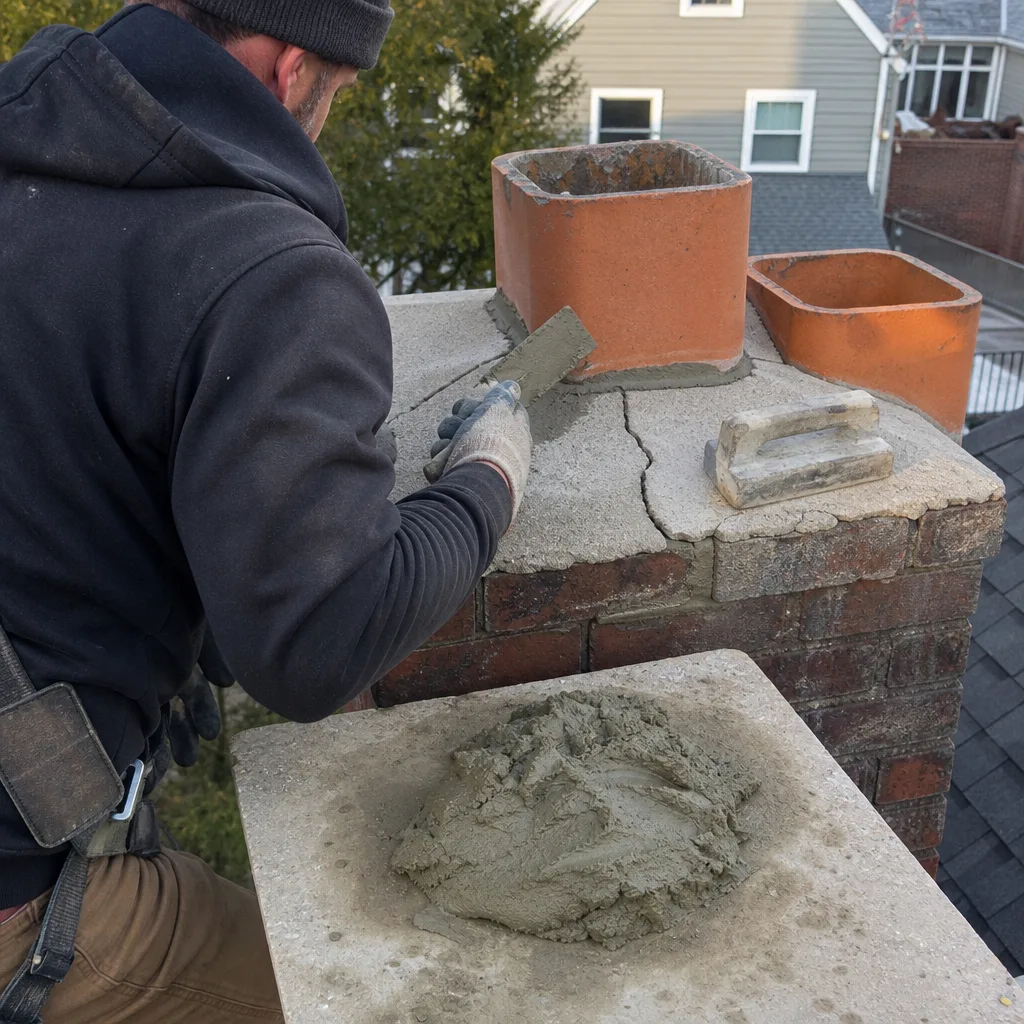
- Hiring based on lowest price without verifying inspection standard. A $99 “sweep and inspect” in Cambridge is almost certainly a Level 1 visual check with no camera. The money saved disappears when you need documentation for an insurance claim or when a missed liner failure causes damage.
- Assuming gas flues don’t need inspection. Cambridge’s gas boiler flues share masonry with decades of prior oil and coal residue. Blockage from deteriorated liner debris or animal nesting creates carbon monoxide hazard without warning signs visible to homeowners.
- Burning unseasoned wood in small fireboxes. Cambridge’s coal-era fireplaces and shallow inserts concentrate cool, moist exhaust. Burning wood above 20% moisture content in these configurations produces Class III creosote rapidly. We see this in Harvard Square and Porter Square rentals where tenants buy convenience-store firewood.
- Ignoring shared flue implications. If you live in a Cambridge two-family or triple-decker and your sweep doesn’t ask about other units connected to your flue, they’re not performing adequate due diligence. Cross-contamination of exhaust or cleaning debris is a real risk.
- Accepting verbal repair recommendations. Any sweep who recommends liner replacement, crown rebuilding, or masonry repair without written scope, written price, and photo documentation is selling, not inspecting. Our Free Second Opinion policy exists because we’ve seen Cambridge homeowners pressured into $4,000 liner jobs on verbal recommendation alone.
- Skipping inspection after installing a new appliance. NFPA 211 requires Level 2 inspection upon any appliance change. Cambridge homeowners who install inserts or convert fireplaces without this inspection operate without warranty protection and potentially without insurance coverage.
- Using the sweep who also sells the most expensive repair. Incentive alignment matters. We clean chimneys, document conditions, and deliver written prices. If you want a second opinion on any written estimate - including ours - we provide it free.
When to Call a Professional
Call a professional sweep when: you haven’t had a camera inspection in 12 months; you notice draft problems, smoke backup, or unusual odors; you’re buying or selling a Cambridge property; you’ve changed appliances or fuel types; or you’ve experienced a chimney fire, even a minor one. Carbon monoxide detectors sounding, even intermittently, require immediate inspection of all vented appliances and their flues.
Level Two Chimney Cambridge offers free estimates in Cambridge. We’re licensed and insured, our technicians are background-checked and uniformed, and we deliver written pricing before any work begins. Call (857) 309-1908 to schedule. Every visit includes NFPA 211 Level 2 camera inspection and a documented photo record under Haven Standard Clause 4.
Frequently Asked Questions
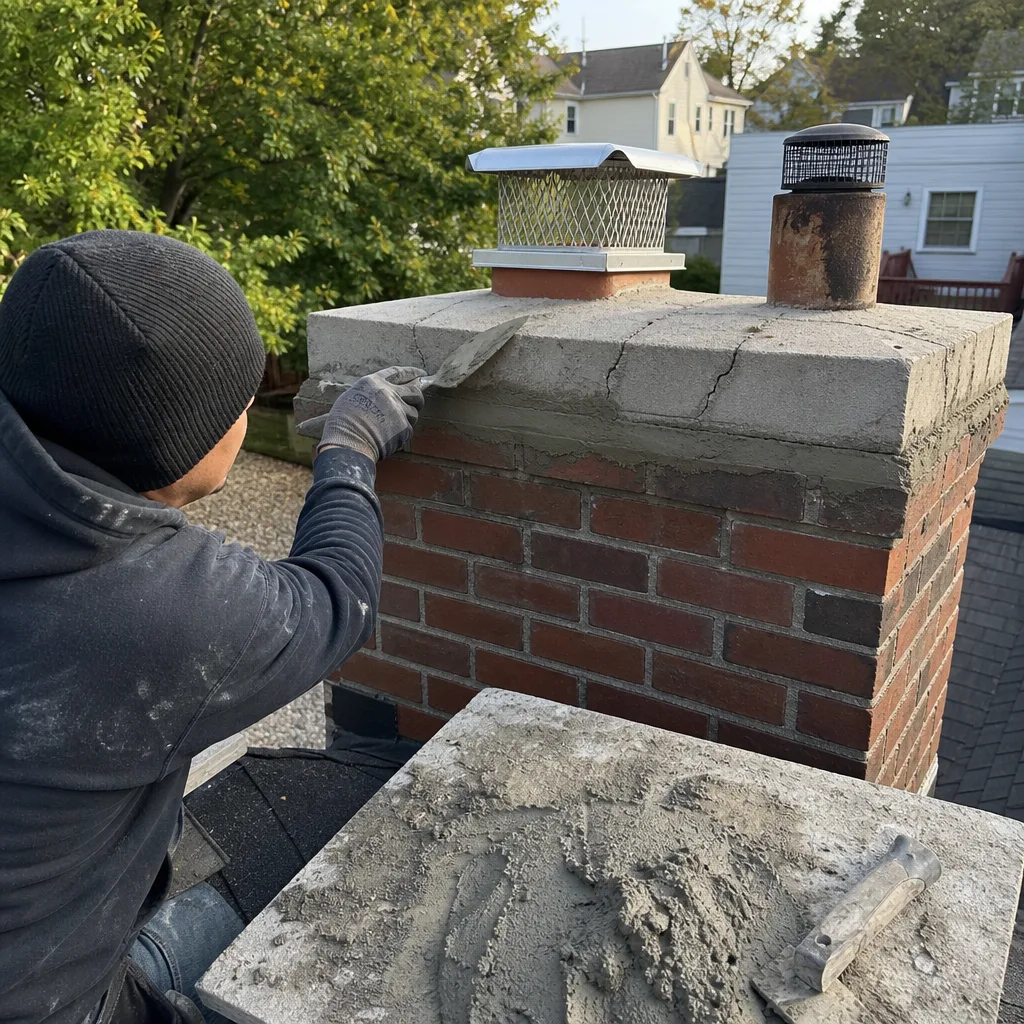
A standard chimney sweep with NFPA 211 Level 2 camera inspection in Cambridge typically costs $189-$349. Class III creosote removal, shared flue buildings, or insert removal for liner access may add $75-$300. We deliver a written price before any work begins, with no exceptions. Call (857) 309-1908 for an exact quote - estimates are free.
You need a new liner when your existing liner is cracked, missing segments, improperly sized for your current appliance, or absent entirely - and only when camera documentation confirms it. We do not recommend liner replacement without photo evidence you can see. In Cambridge’s pre-war clay tile flues, we often find partial deterioration that can be addressed with HeatShield resurfacing or localized repair rather than full replacement. Bring us any competitor’s written estimate for a Free Second Opinion.
Annual inspection is the minimum for all Cambridge chimneys due to pre-war construction, freeze-thaw climate exposure, and high rate of appliance retrofits. Wood-burning systems typically need cleaning every cord of wood burned, which for regular Cambridge users means annual or semi-annual service. Gas and oil systems need less frequent cleaning but still require annual inspection for liner deterioration and blockage. Call (857) 309-1908 to schedule - we’ll assess your specific burn pattern and flue condition.
Skipped cleaning allows creosote accumulation that restricts draft, accelerates liner deterioration, and creates chimney fire fuel. In Cambridge’s small, coal-era flues, the restriction happens faster than in modern construction. Carbon monoxide backup from blocked gas flues poses the most serious risk, as it’s odorless and lethal. The documented inspection also protects your insurance position after any incident. Call (857) 309-1908 to schedule before burning season.
A sweep removes deposits; an inspection evaluates system condition. In practice, they should happen together. NFPA 211 Level 2 inspection - which we perform on every Cambridge visit - includes camera documentation of flue condition before and after cleaning. A sweep without inspection is maintenance without diagnosis; an inspection without cleaning is diagnosis without treatment. Our service includes both, with written documentation.
We don’t recommend DIY chimney cleaning for Cambridge pre-war construction. The flue liners are fragile, access is often awkward in tight urban floor plans, and without camera equipment you cannot verify complete removal or identify liner damage. More importantly, you create no documentation that protects you in insurance or real estate transactions. The cost of professional service with photo record is modest compared to the value of that documentation.
The Bottom Line
Cambridge’s chimneys demand a specific approach: camera inspection as default, not upgrade; documentation that holds up in insurance and real estate contexts; and pricing delivered in writing before work starts. The city’s pre-war housing stock, shared flue configurations, and layered combustion history create conditions that generic national guides and flashlight inspections miss. A proper sweep removes creosote, verifies liner integrity, and produces a record. Anything less leaves you unprotected. Browse more guides & resources on Cambridge chimney care. We’ve completed more than 38,000 chimney inspections and cleanings since 2009, every one with a written price before work started and a documented record when it was done. If you’re in Cambridge and haven’t had a camera in your flue in the last 12 months, it’s time.
Written by Corrine Halstead, Owner at Level Two Chimney Cambridge, serving Cambridge since 2009.