
Last updated September 22, 2026
Level 1 sweep and inspection to the NFPA 211 annual standard - flue, crown, cap, and flashing checked and photographed
Chimney sweep logs do not sweep chimneys. They loosen some creosote - which then falls where a brush and vacuum still have to collect it.
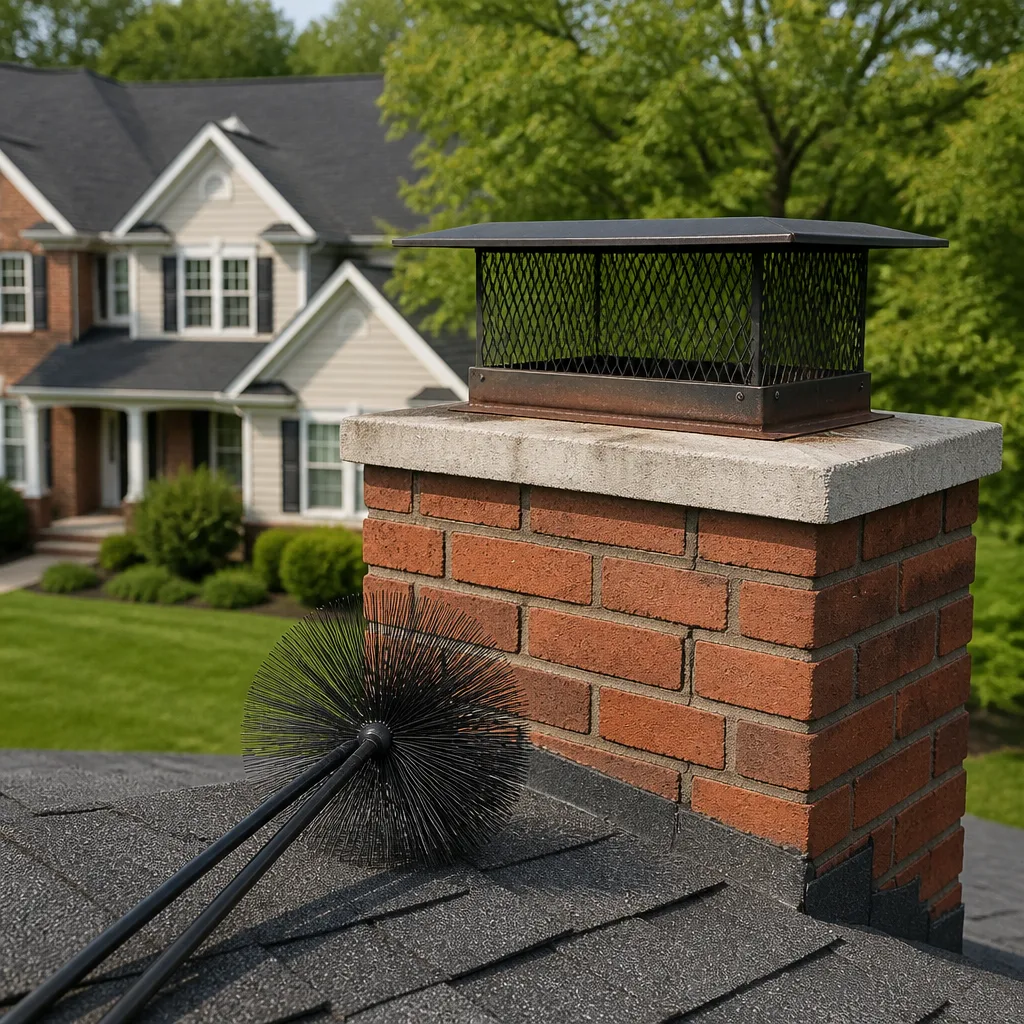
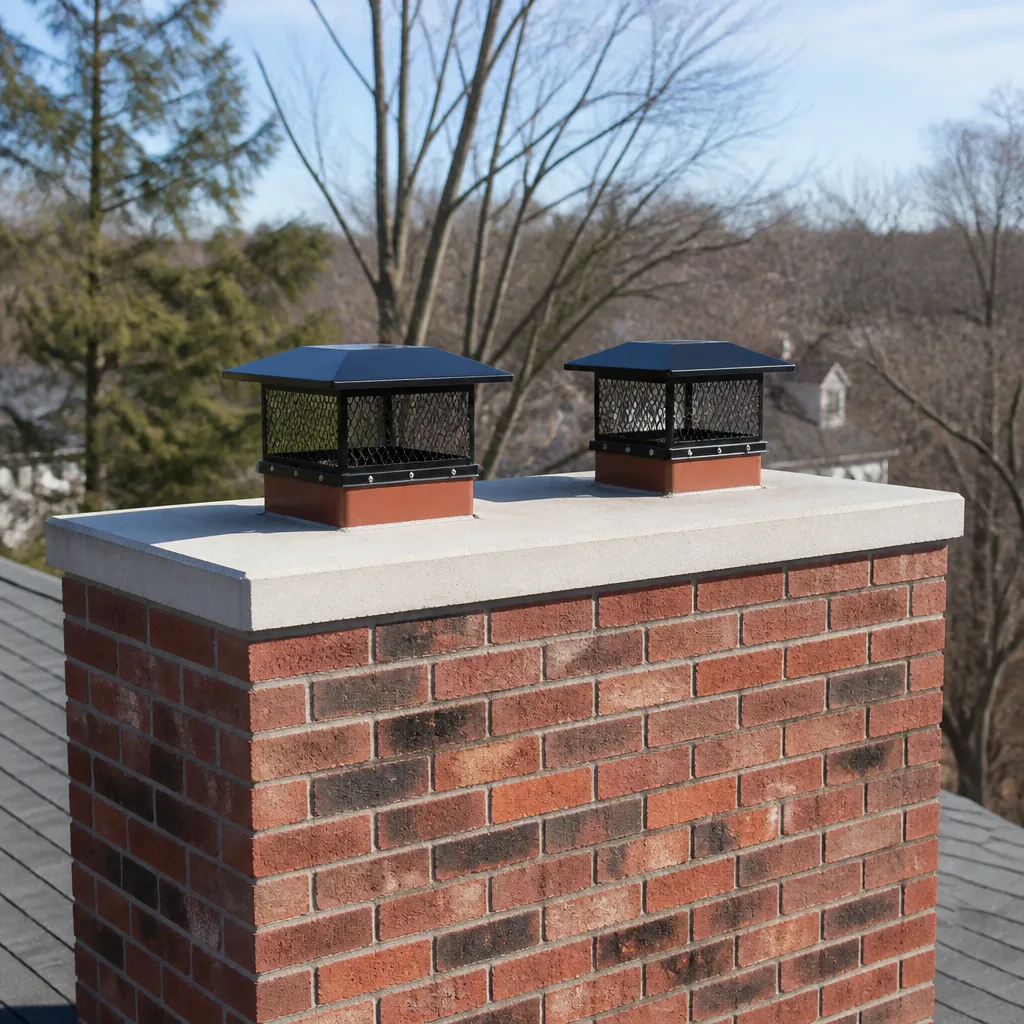
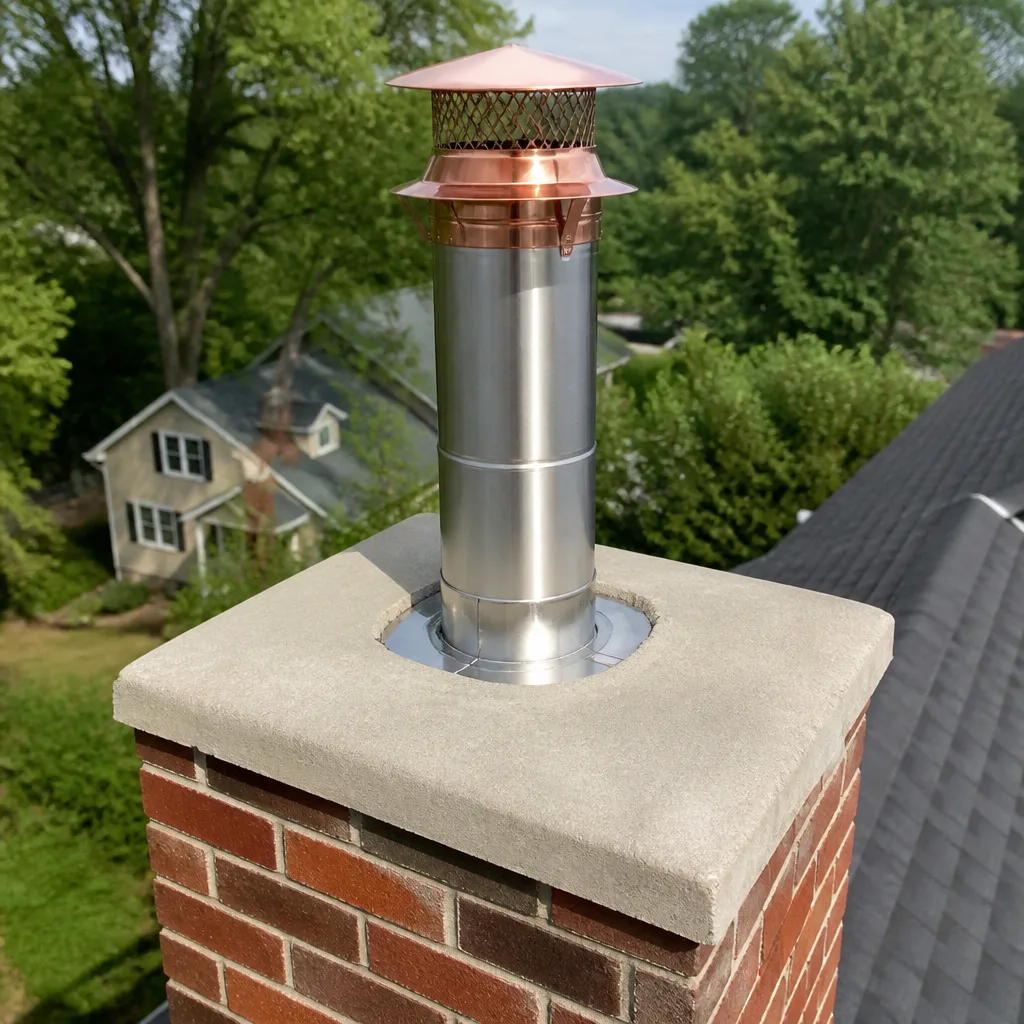
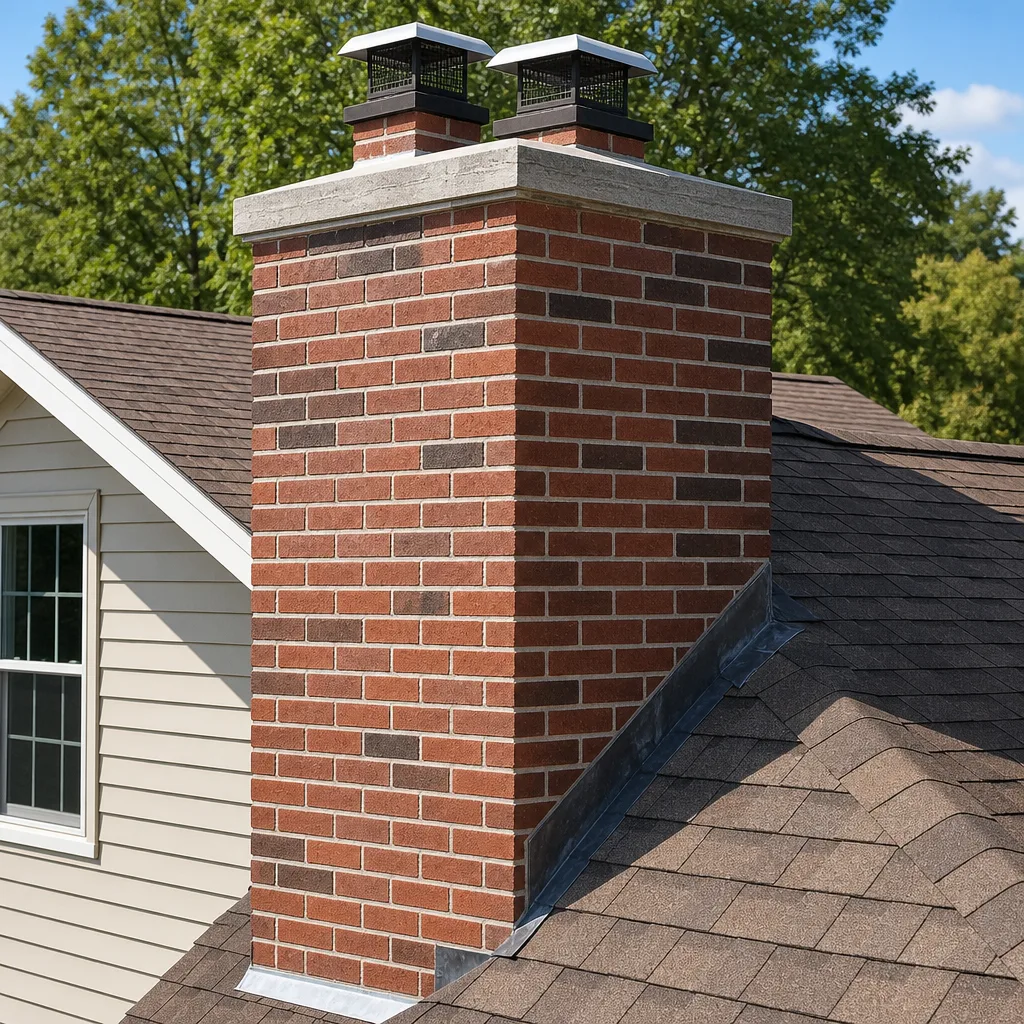
Gas fireplace service
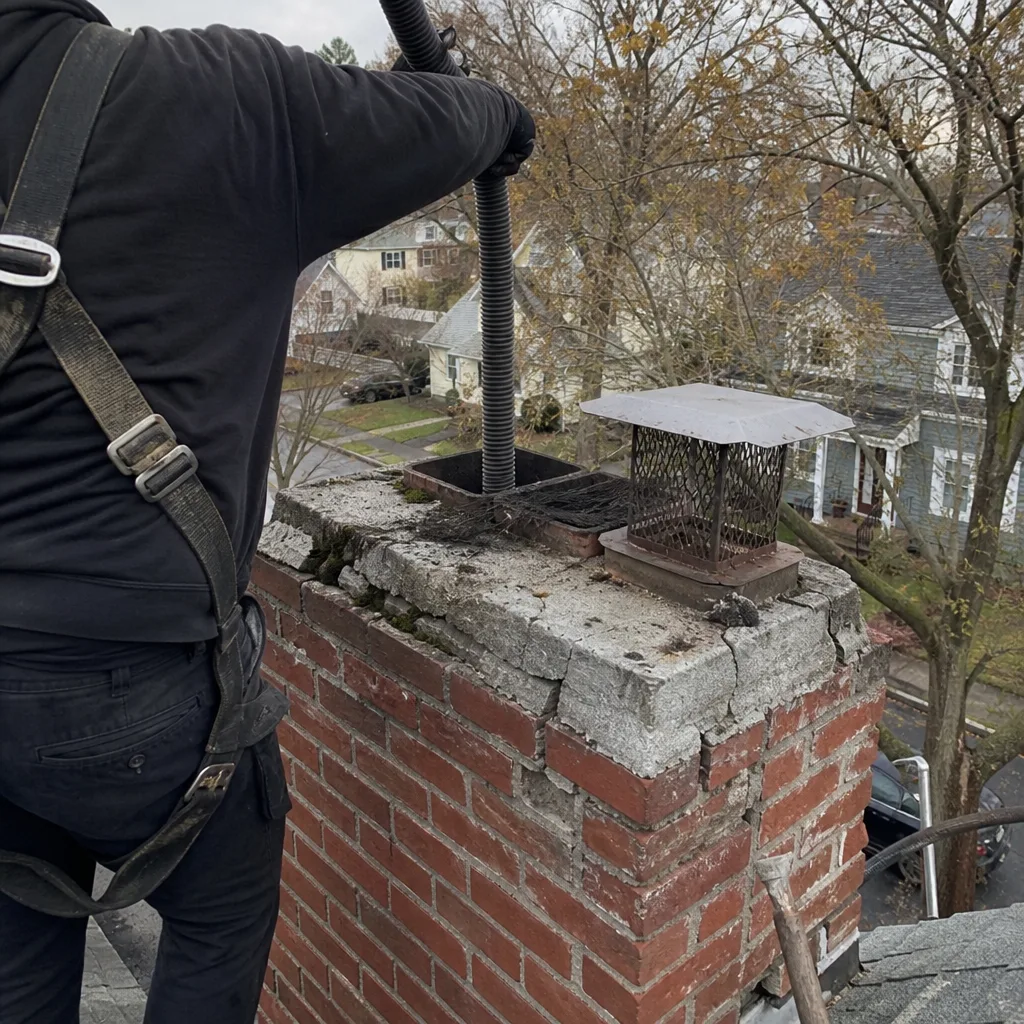 Before
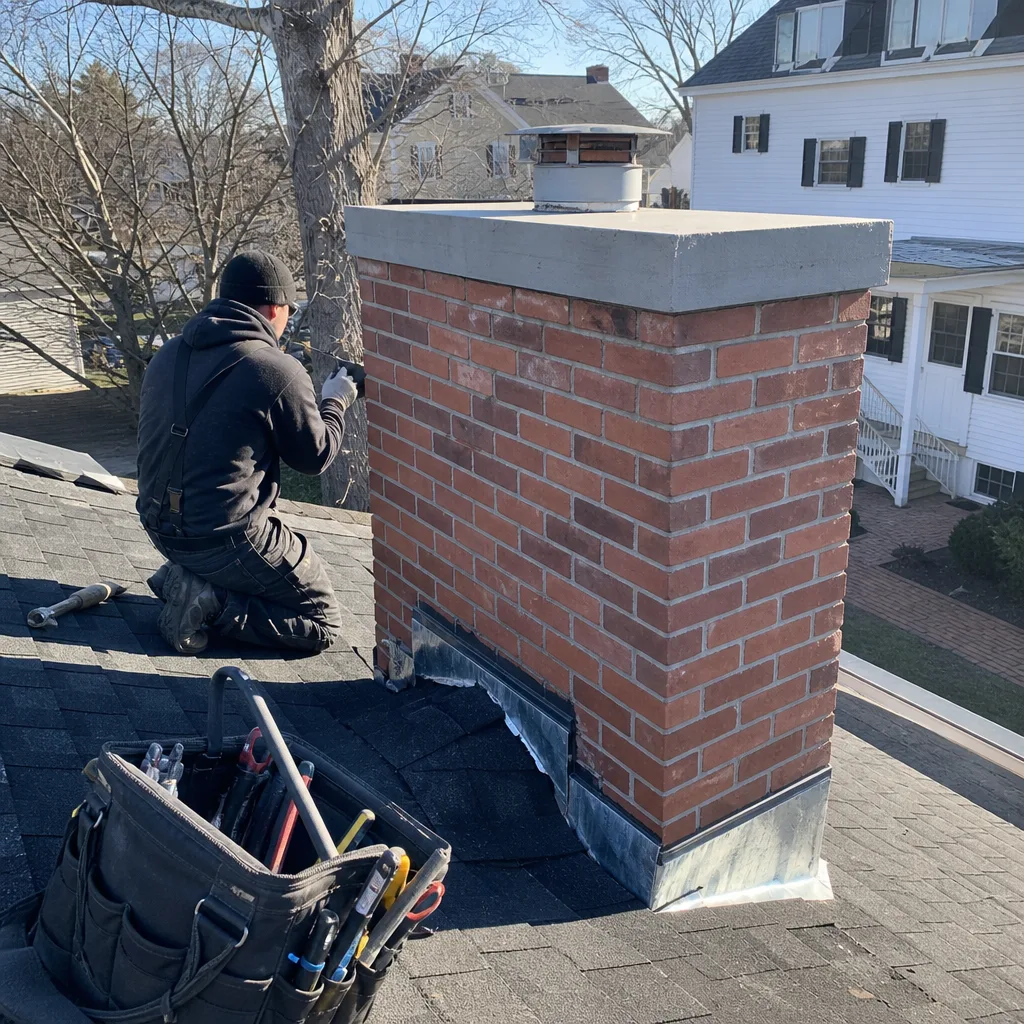 After
After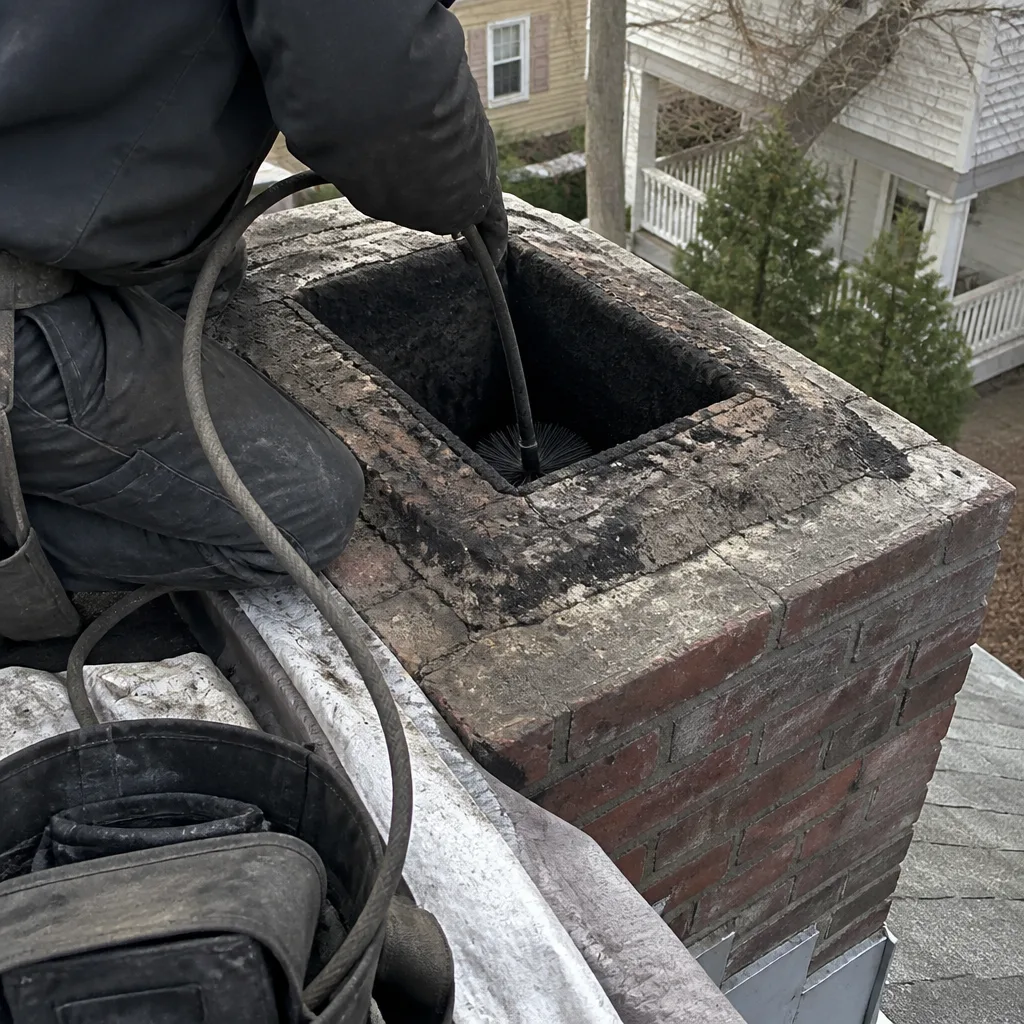 Before
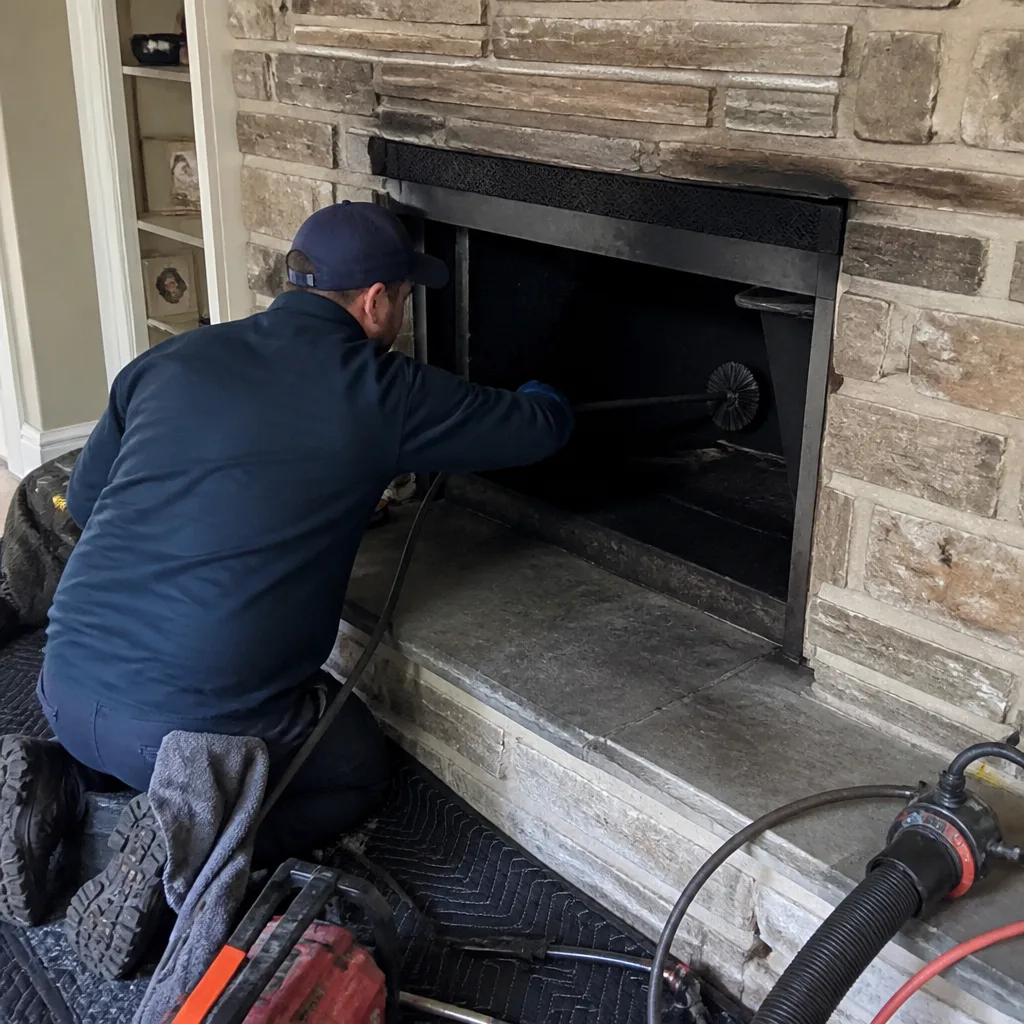 After
After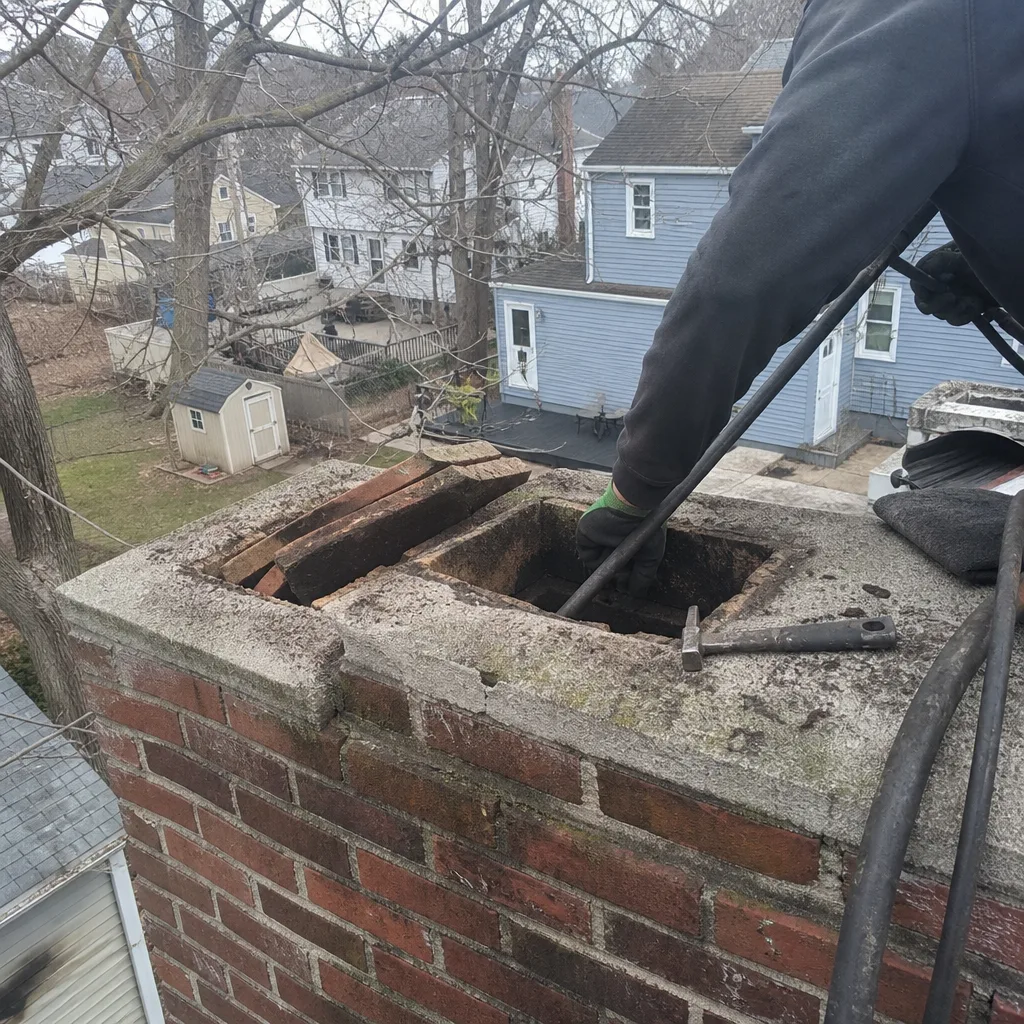 Before
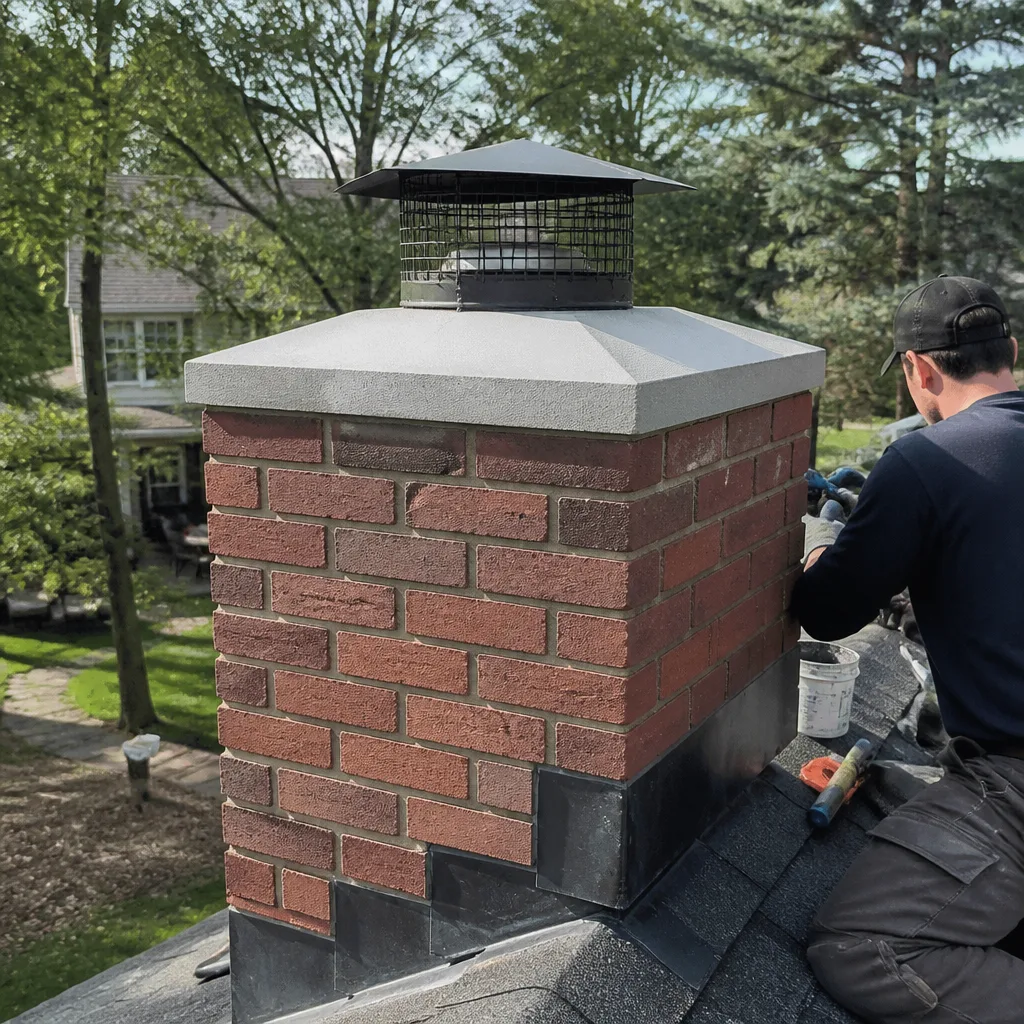 After
AfterChimney Cleaning Permits, Codes & Inspections in MA: What You Need to Know
In Massachusetts, certain chimney repairs require a building permit and a licensed sheet metal or construction supervisor - not just a sweep license. Most homeowners find this out at the closing table, not before work starts. We’ve completed more than 38,000 chimney inspections in Cambridge and across Middlesex County since 2009, and the pattern repeats: a buyer’s inspector flags unpermitted liner work, the sale stalls, and the seller learns that Massachusetts draws a sharp line between cleaning (no permit) and alteration (permit required). This guide - alongside our Complete Guide to Chimney Cleaning in Cambridge - explains exactly where that line sits, what Cambridge’s Inspectional Services Department enforces, and how to protect your home’s value and your family’s safety.
Quick Answer
Chimney cleaning and routine inspection in Massachusetts do not require a building permit. Chimney liner installation, structural repair, flue alteration, or any work that changes the appliance connection or venting configuration does require a permit under 780 CMR and must be performed by a licensed construction supervisor or sheet metal worker. In Cambridge, the Inspectional Services Department (ISD) enforces these rules at the local level, and unpermitted work must be disclosed on the Certificate of Compliance or can block a home sale.
Table of Contents
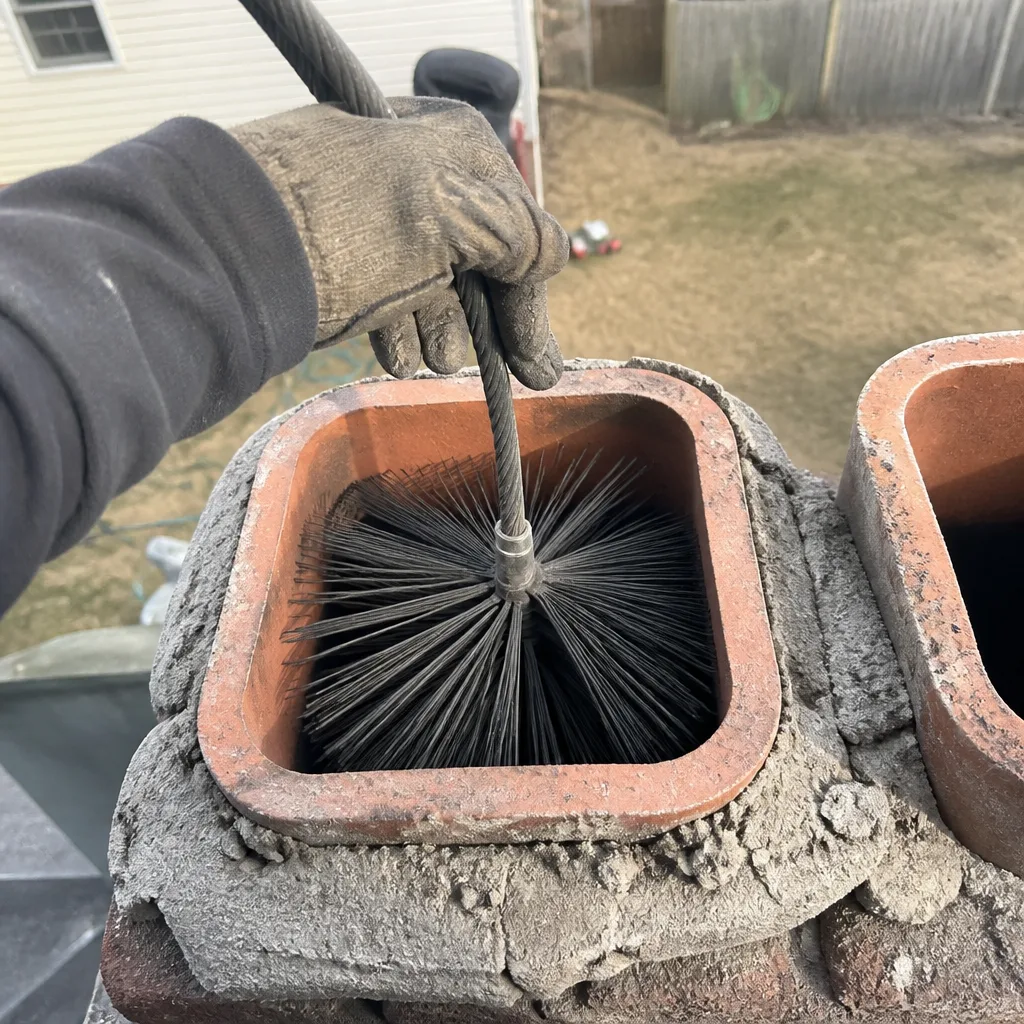
- Massachusetts Chimney Code: 780 CMR Explained
- What Requires a Permit vs. What Doesn’t
- Cambridge ISD: How Local Enforcement Works
- NFPA 211: State Requirements vs. Local Rules
- The Permit Paper Trail: Resale & Fire Claims
- Unpermitted Work Discovered During a Home Sale
- Who Can Legally Perform Chimney Work in MA
- Common Mistakes to Avoid
- When to Call a Professional
- Frequently Asked Questions
BeforeAfterMassachusetts Chimney Code: 780 CMR Explained
Massachusetts regulates building construction through the Massachusetts State Building Code, found in 780 CMR. The code adopts NFPA 211 (Standard for Chimneys, Fireplaces, Vents, and Solid Fuel-Burning Appliances) by reference, but adds state-specific licensing requirements that go beyond the national standard.
Here’s what matters for Cambridge homeowners: 780 CMR governs all construction, alteration, and repair of chimneys and vents. The code does not regulate routine maintenance - sweeping, inspection, and minor part replacement like a rain cap or damper handle. But once you touch the flue liner, smoke chamber, or structural masonry, you’ve crossed into regulated territory.
The state layers additional rules through the Board of Building Regulations and Standards (BBRS). In 2021, Massachusetts updated its stretch energy code, which indirectly affects chimney work when appliances are replaced or upgraded. Any new solid-fuel appliance installation must meet both 780 CMR and the energy code’s combustion air requirements. Cambridge, as a Green Community, enforces the stretch code in full.
Key sections to know:
- 780 CMR 51.00: General building code applicability, including permit requirements for alterations
- 780 CMR 53.00: Referenced standards, including NFPA 211-2019 edition
- 780 CMR 110.00: Construction supervisor licensing requirements
- 527 CMR: Massachusetts fire prevention code, which governs clearances and operational safety
Cambridge’s older housing stock - particularly the triple-deckers in Inman Square, the Victorian-era homes near Harvard Square, and the mid-century builds in North Cambridge - presents specific compliance challenges. Many chimneys were built before liner requirements existed, and their dimensions don’t match modern appliance outputs. A 1950s brick chimney in Cambridgeport might vent a modern gas insert at the wrong temperature, creating condensation damage that 780 CMR now prohibits. We see this condition regularly during chimney cleaning and sweep appointments in Cambridge.
What Requires a Permit vs. What Doesn’t
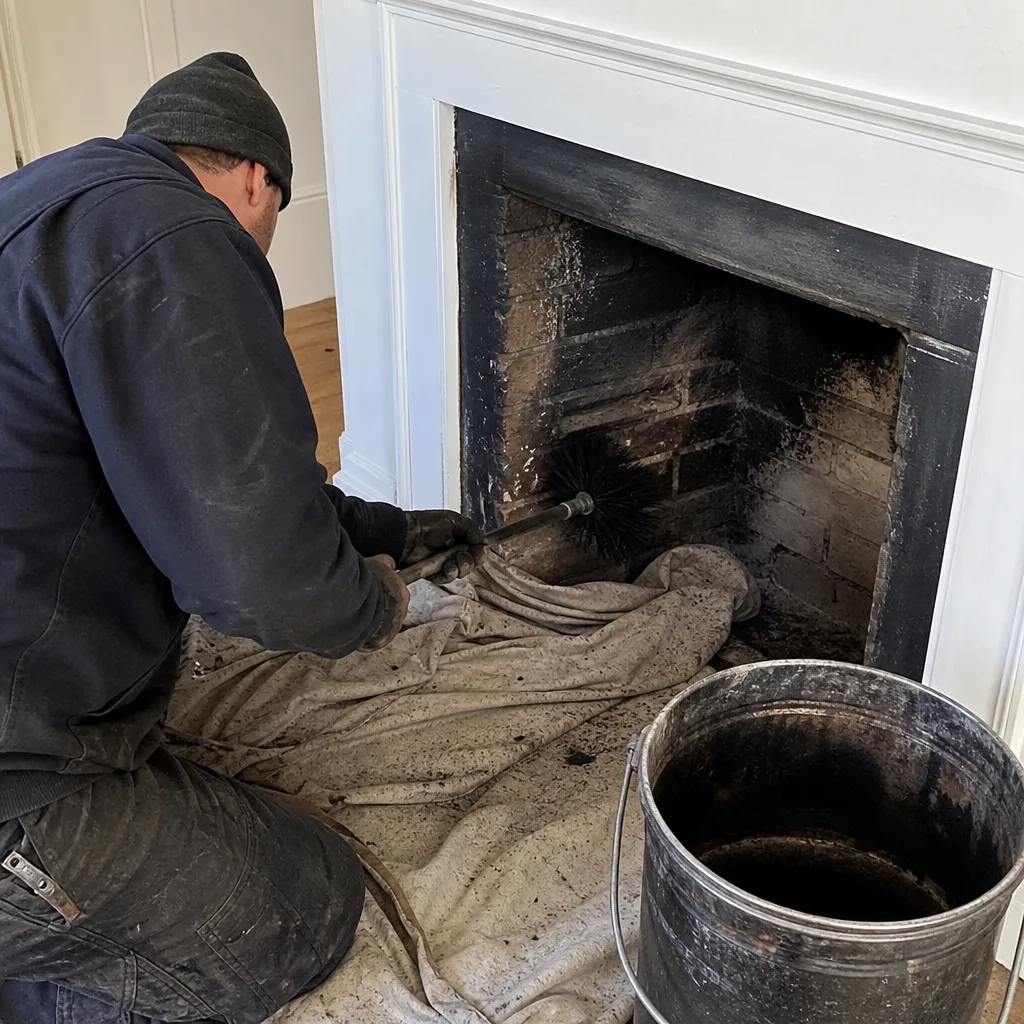
The permit threshold in Massachusetts is functional, not cosmetic. If the work changes how the chimney vents, contains, or supports combustion gases, it likely needs a permit. If it merely removes deposits and verifies condition, it does not.
No permit required:
- Chimney sweeping and creosote removal (Class I, II, or III)
- NFPA 211 Level 1 or Level 2 inspection
- Installation of a standard rain cap or animal guard on existing flue tile
- Replacement of a throat damper with identical unit
- Firebox brick repointing that does not alter dimensions or appliance connection
Permit required:
- Chimney liner installation or replacement (stainless steel, aluminum, or cast-in-place)
- Smoke chamber parging or alteration
- Structural repair to chimney breast, foundation, or supporting framing
- Installation of new solid-fuel appliance (wood stove, pellet stove, fireplace insert)
- Conversion from one fuel type to another (oil to gas, wood to pellet)
- Crown replacement that changes height or slope
- Any work requiring access through roof structure or alteration of roof penetration
The distinction trips up homeowners because the same company often performs both types of work. A sweep finds cracked flue tiles during a Level 2 inspection and recommends a stainless steel liner. The homeowner agrees, not realizing the job now requires a permit, a licensed installer, and an ISD inspection. We’ve reviewed competitor estimates in Cambridge where liner replacement was quoted as “sweeping add-on” with no permit mentioned - a chimney cleaning warning sign Cambridge homeowners should watch for. Under the Haven Standard, we deliver a written price, written scope, and written warranty before any work starts - and we flag permit requirements explicitly in that document.
Permit costs in Cambridge run approximately $50-$150 for chimney-specific work, depending on project value. The ISD requires two inspections for liner installations: rough (before closure) and final. Timeline from permit application to final sign-off typically spans 2-4 weeks in our experience, though seasonal volume affects this.
Cambridge ISD: How Local Enforcement Works
Cambridge’s Inspectional Services Department operates from 831 Massachusetts Avenue and enforces 780 CMR with local amendments. The department handles building, electrical, plumbing, and gas inspections, with chimney work falling under the building division when permits are required.
Cambridge’s specific enforcement posture matters. Unlike some Massachusetts municipalities that defer to state minimums, Cambridge ISD actively inspects chimney liner installations and solid-fuel appliance connections. Inspectors verify:
- Liner sizing matches appliance output per NFPA 211 Tables 12.5.1 and 12.6.2
- Clearances to combustibles meet or exceed 780 CMR minimums
- Termination height complies with Cambridge’s wind exposure zone requirements
- Documentation of manufacturer installation instructions (required for warranty and code compliance)
The wind exposure requirement is Cambridge-specific. Proximity to the Charles River and open parkland in areas like Fresh Pond and the Esplanade extension creates localized wind patterns that affect draft. Cambridge ISD has, in our experience, required additional termination height or specialized caps in these zones - a condition suburban inspectors rarely encounter.
Cambridge also maintains historical district oversight through the Historical Commission. Properties in Harvard Square, Brattle Street, or the Avon Hill area may require additional review for exterior-visible chimney modifications, even when building permits are otherwise straightforward. We’ve coordinated with homeowners in these districts to document that liner replacements are interior work with no visible alteration, streamlining approval.
For permit application, Cambridge ISD requires:
- Completed building permit application with property owner signature
- Licensed contractor information (construction supervisor license or sheet metal license number)
- Scope description and estimated project value
- Manufacturer specification sheets for liner or appliance
- Site plan showing chimney location (for exterior work)
ISD hours are Monday-Friday, 8:00 AM-4:00 PM, with inspection scheduling through the online portal. Same-day inspections are not available. For urgent safety conditions - a structurally compromised chimney threatening collapse - ISD offers emergency inspection protocols, but these still require proper permitting.
NFPA 211: State Requirements vs. Local Rules
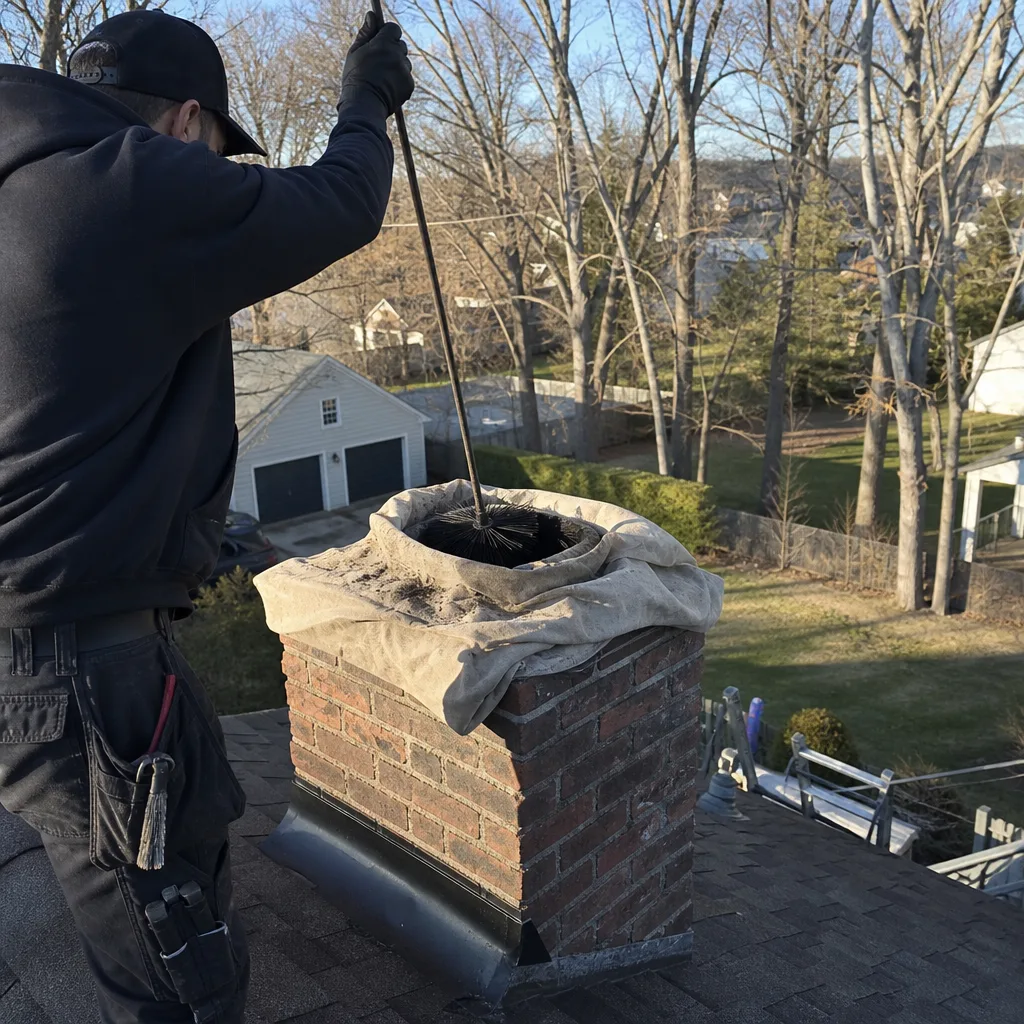
NFPA 211 is the national standard for chimney construction, maintenance, and inspection. Massachusetts adopts it by reference in 780 CMR, but the relationship between state law, national standard, and local enforcement creates confusion.
Here’s how the layers interact:
NFPA 211 (national standard): Establishes minimum safety requirements for chimney design, installation, and maintenance. It defines three inspection levels:
- Level 1: Visual inspection of readily accessible portions, appropriate for annual maintenance of systems with no changes
- Level 2: Internal inspection using video scanning or other means, required upon sale or transfer of property, after chimney fire, or when appliance connected is changed
- Level 3: Destructive inspection to concealed areas, required when Level 1 or 2 indicates hidden hazard
Massachusetts does not mandate NFPA 211 inspections by law for existing owner-occupied homes. However, 780 CMR requires compliance with NFPA 211 for all new construction and alterations. Insurance companies and home sale transactions effectively make Level 2 inspections mandatory in practice.
Massachusetts state additions: Beyond NFPA 211, Massachusetts requires:
- Construction Supervisor License (CSL) for structural chimney work over $1,000
- Sheet Metal License for liner installation and HVAC venting
- Compliance with 527 CMR fire prevention code for clearances
Cambridge local amendments: Cambridge ISD enforces the full state code without reduction, plus:
- Historical Commission review for designated districts
- Stretch energy code compliance for new appliance installations
- Wind zone termination requirements as noted above
The gap we see most often: a sweep performs what they call a “Level 2 inspection” but lacks the equipment or training for proper video documentation. NFPA 211 requires a written report and documentation of findings. Clause 4 of the Haven Standard requires a photo record on every job - we’ve maintained this practice since 2009, before it became common. When we perform a Level 2 inspection in Cambridge - documented in our Chimney Cleaning & Sweep Maintenance Checklist for Cambridge Homeowners - the homeowner receives camera footage, still images of all findings, and a written condition assessment with specific recommendations. This documentation satisfies NFPA 211, supports permit applications when needed, and protects the homeowner’s interests in any future transaction.
Materials matter for code compliance too. We source liners and components through Olympia Chimney, DuraFlex, and Famco - brands whose listings and testing documentation meet Massachusetts acceptance criteria. Unlisted or improperly tested materials can fail inspection even when installation technique is correct. We keep manufacturer certifications current and provide them to ISD upon request.
The Permit Paper Trail: Resale & Fire Claims
Permits create a documented chain of custody for chimney work. This matters in two specific scenarios that affect Cambridge homeowners disproportionately: real estate transactions and insurance claims after fire or carbon monoxide incident.
Resale value protection: Massachusetts requires seller disclosure of known defects and permit history. The standard form asks directly: “Are there any structures or additions that were built without required permits?” A “no” answer with unpermitted chimney work constitutes misrepresentation. Buyer’s inspectors in Cambridge - working for a educated, research-heavy market - routinely request permit history for any chimney work performed within the prior ten years.
The consequence of unpermitted work varies:
- Best case: Seller obtains retroactive permit, pays late fees ($100-$300 in Cambridge), undergoes inspection, and completes any required corrections before closing
- Common case: Sale delayed 3-6 weeks while permitting catches up, with buyer negotiating credit for uncertainty
- Worst case: Work fails inspection and must be redone, or buyer walks and seller relists with disclosure stigma
We’ve performed “pre-sale compliance reviews” for Cambridge homeowners - essentially a Level 2 inspection plus permit history verification - to identify issues before listing. The cost is modest compared to a stalled sale. Chimney repair in Cambridge that was done properly with permits adds value; the same work without permits creates liability.
Insurance and fire claims: Homeowner’s insurance policies contain exclusions for faulty workmanship and code violations. If a chimney fire originates in unpermitted liner work, the insurer may deny coverage or pursue subrogation against the installer. Even when coverage applies, lack of permit documentation complicates claims adjustment.
Carbon monoxide incidents present similar risk. Massachusetts requires CO detectors by law, but the source of CO infiltration matters for liability. A properly permitted and inspected liner installation creates a record of compliance. Unpermitted work leaves the homeowner exposed to claims of negligence.
Our documented photo record, maintained under Haven Standard Clause 4 since 2009, serves as contemporaneous evidence of condition. When we inspect a Cambridge chimney and find unpermitted prior work, we document it specifically and advise the homeowner on remediation options. This isn’t about blame - it’s about controlling risk before it controls you.
Unpermitted Work Discovered During a Home Sale
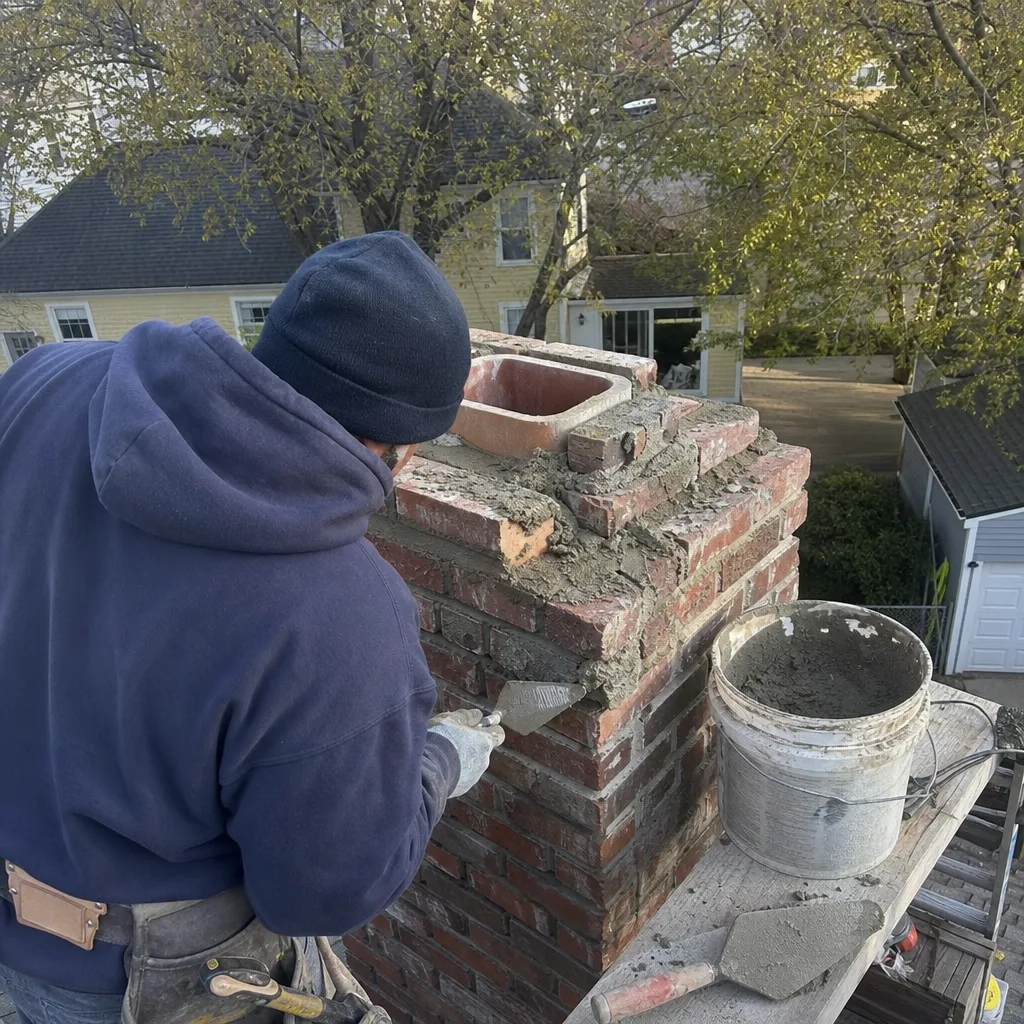
Middlesex County’s housing market moves fast, and Cambridge moves faster. A typical discovery timeline:
- Buyer makes offer, contingent on inspection
- Home inspector recommends Level 2 chimney inspection due to visible conditions or age
- Level 2 inspection reveals liner installation, crown rebuild, or structural repair with no permit on file
- Buyer’s attorney requests permit documentation; seller has none
- Lender or insurer flags the deficiency; closing halts
We’ve been called into this scenario dozens of times since 2009. The fix depends on what was done and when:
Recent work (under 2 years): Cambridge ISD may allow retroactive permitting if the original installer holds proper license and can produce documentation. The inspector evaluates the completed work against current code. If code has changed since installation, the work may need modification. We’ve coordinated with original installers - sometimes competitors - to gather specifications and facilitate this process.
Older work (2-10 years): Retroactive permitting becomes harder. ISD may require opening walls or removing components to verify concealed conditions. At this point, many homeowners opt to obtain a new permit for “repair and replacement” of the questionable work, effectively starting fresh. This costs more but provides clean documentation.
Very old work (10+ years): Cambridge has, in our experience, sometimes accepted professional assessment letters for pre-2015 work where code requirements were less stringent and the condition is verifiably sound. This requires a detailed written report with camera documentation - exactly what Haven Standard Clause 4 produces.
The preventive solution is simple: verify permit status before hiring any chimney contractor for regulated work. Ask directly: “Will you pull the permit, or is that my responsibility?” Reputable contractors handle permitting as standard practice. Under Haven Standard Clause 1, our written scope specifies permit responsibility explicitly - no surprises, no closing-table discoveries.
Who Can Legally Perform Chimney Work in MA
Massachusetts licensing law creates a tiered system that many homeowners misunderstand. Not everyone who can sweep a chimney can legally install a liner or rebuild a structure.
Chimney sweep (no license required): Anyone can advertise chimney sweeping services in Massachusetts. No state license, certification, or training is mandated. This is why the market includes everything from established companies with formal training to individuals with brushes and a truck. Sweeps may perform Level 1 and Level 2 inspections, clean flues, and install basic caps - but cannot perform regulated alterations.
Construction Supervisor License (CSL): Required for structural work over $1,000, including chimney rebuilds, foundation repair, and masonry restoration. CSL holders must complete continuing education and carry required insurance. The license displays a number format: CS-XXXXXX.
Sheet Metal License: Required for liner installation, ductwork, and venting alterations. This is the license most relevant to chimney liner work. Sheet metal contractors must demonstrate competency in fabrication and installation standards.
Master Plumber or Gas Fitter: Required when chimney work intersects with gas appliance venting or fuel supply modifications.
For Cambridge homeowners, the practical check is straightforward: ask for license numbers and verify them through the Massachusetts Division of Professional Licensure online lookup. Any hesitation or deflection is a signal to seek another contractor.
At Level Two Chimney Cambridge, our technicians are background-checked and uniformed, with license information displayed on every page and provided in writing with every estimate; see more guides & resources on hiring qualified chimney professionals. We assign named technicians to appointments and send text notifications when they’re en route - part of our H.A.V.E.N. framework for verified, accountable service.
We’ve also seen the consequences of unlicensed work firsthand. A Cambridge homeowner in the Riverside neighborhood hired an unlicensed sweep to install a “stainless steel liner kit” purchased online. The liner was undersized for the wood stove, the connection to the appliance was fabricated from incompatible materials, and no permit was pulled. Two heating seasons later, creosote buildup at a joint caused a chimney fire. The homeowner’s insurer denied the claim based on unlicensed installation. We rebuilt the system properly, with permits, but the financial damage was severe.
Common Mistakes to Avoid
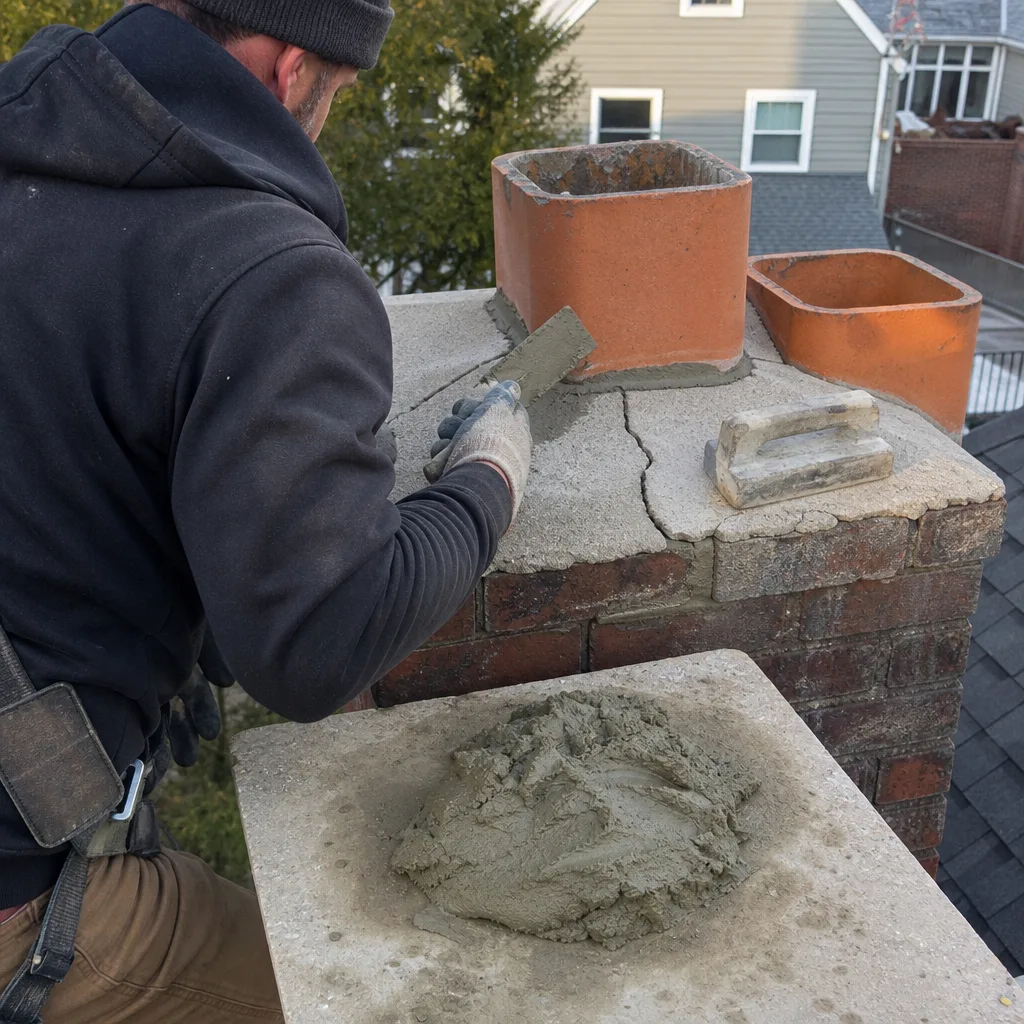
- Assuming sweeping includes inspection documentation. Many Cambridge homeowners pay for a “sweep and inspect” and receive only a verbal “looks fine.” NFPA 211 Level 2 requires written report and camera documentation. Ask specifically what you’ll receive in writing.
- Confusing a sweep’s recommendation with a permit-ready scope. A sweep may suggest liner replacement without mentioning permits, licensing, or inspection requirements. Get a second opinion on any written estimate - we offer this free under the Haven Standard.
- Permitting the homeowner to pull. Some contractors ask homeowners to obtain permits personally. This is legal but unwise - the permit holder becomes legally responsible for code compliance, not the contractor who performed the work.
- Ignoring Cambridge’s wind zone requirements. Standard termination caps adequate in Somerville or Arlington may fail inspection near Fresh Pond or the Charles River. Local knowledge matters.
- Discarding documentation. Permit records, inspection sign-offs, and contractor warranties should be retained for the life of the home plus ten years. We’ve helped Cambridge homeowners reconstruct lost documentation from our archived records - but not every company maintains archives.
- Hiring based on lowest price without license verification. Unlicensed contractors undercut licensed competitors by 30-50% by skipping permits, insurance, and proper materials. The savings evaporate at closing or claim time.
- Waiting until listing to discover permit gaps. Pre-sale inspection and permit verification costs $300-$600. A sale delay costs thousands in carrying costs, price reduction, or lost buyer.
When to Call a Professional
Call a licensed, permitted professional when: you’re selling your Cambridge home within two years; you’ve had chimney work performed without permit documentation; you’re converting fuel types or installing a new appliance; your inspector found creosote buildup beyond Class II (glazed, hard deposits); or you’ve experienced a chimney fire, even a minor one.
Level Two Chimney Cambridge offers free estimates in Cambridge - call (857) 309-1908. Every estimate includes written scope, written price, and written warranty before any work begins. We pull all required permits, coordinate Cambridge ISD inspections, and deliver a documented photo record on every visit. Our 365-Day Done Right Promise means if it’s not done right, we make it right.
Frequently Asked Questions
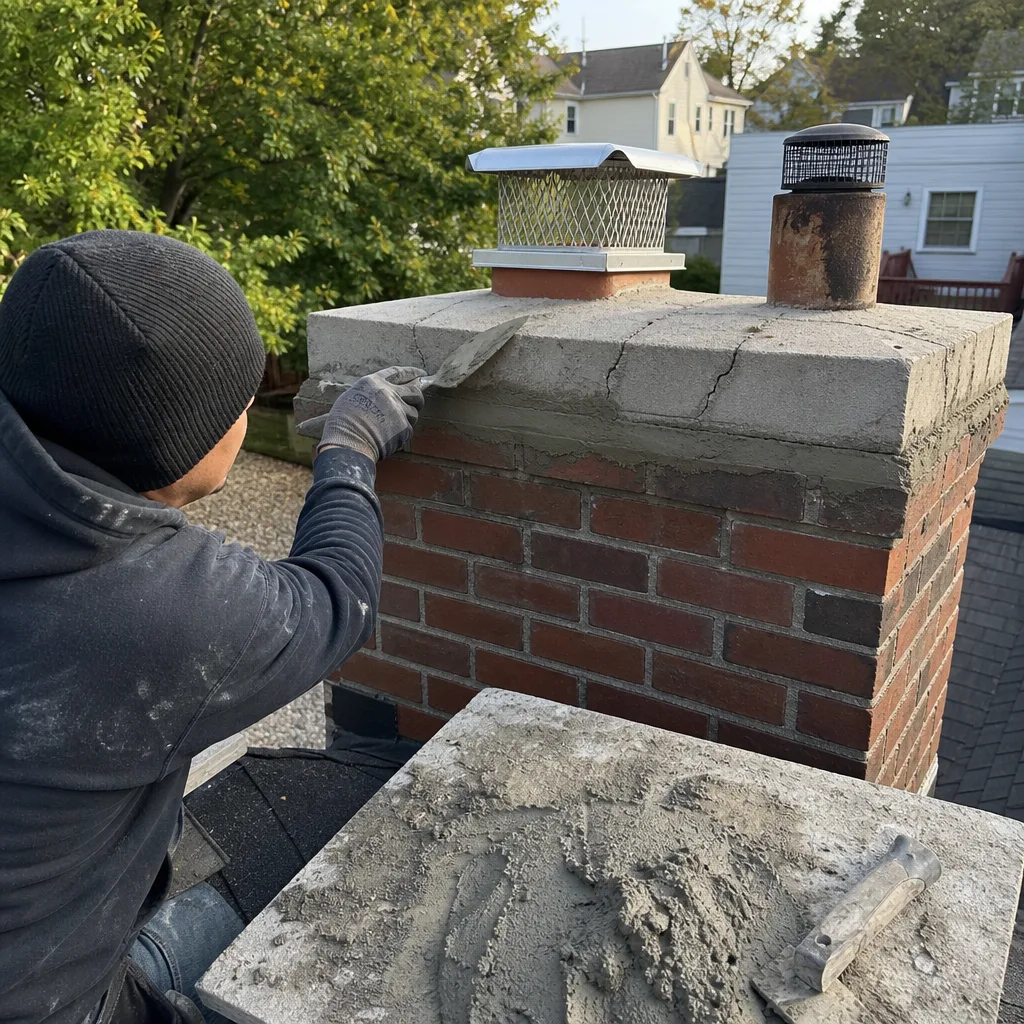
No. Routine chimney sweeping, inspection, and minor maintenance like cap replacement do not require a building permit in Massachusetts or Cambridge. Permits are required only for alterations that change the chimney’s structure, liner, or venting configuration. Call (857) 309-1908 for a free estimate on any chimney work - we’ll identify permit requirements upfront in writing.
Stainless steel liner installation in Cambridge typically ranges from $2,800-$5,500 for a single flue, depending on height, diameter, access difficulty, and whether the smoke chamber requires parging. This includes permit, inspection, and documentation. We deliver a written price before work starts - never a range that shifts after we’re in your home.
The sale typically stalls until the condition is resolved. Options include retroactive permitting (if the original installer was licensed and documentation exists), new permitted work to replace the unpermitted installation, or seller disclosure with buyer acceptance. In Cambridge’s competitive market, buyers often demand clean documentation. We offer pre-sale compliance reviews to identify these issues before listing.
NFPA 211 recommends annual Level 1 inspection for actively used systems, and Level 2 inspection upon property sale or transfer, after chimney fire, or when any appliance is changed. In Cambridge, with our freeze-thaw cycle and older housing stock, we recommend Level 2 inspection every 3-5 years even without triggering events - the climate accelerates masonry and liner deterioration.
No. Liner installation requires a licensed sheet metal worker or construction supervisor, and a building permit. A sweep without these credentials who performs liner work is operating illegally and exposes the homeowner to liability. Always verify license numbers through the state Division of Professional Licensure.
Cambridge enforces the full state code without reduction and adds historical district review for designated areas. The city also applies wind zone requirements near the Charles River and Fresh Pond that affect termination height and cap selection. These local factors mean Cambridge-specific experience matters - a contractor familiar only with suburban installation may miss conditions that affect inspection approval.
The Bottom Line
Massachusetts draws a clear line: clean and inspect without permits, but alter with permits and licensed professionals. Cambridge’s Inspectional Services Department enforces this actively, and the city’s older housing stock, wind exposure, and historical districts add local complexity. The homeowners who fare best are those who verify credentials before work starts, demand written documentation, and keep permit records organized. Unpermitted work discovered at sale or after an incident creates expense and stress that proper planning avoids entirely. If you’re uncertain about your Cambridge chimney’s permit history or compliance status, a Level 2 inspection with camera documentation provides clarity - and the written record protects your interests going forward.
Written by Corrine Halstead, Owner at Level Two Chimney Cambridge, serving Cambridge since 2009.