
Last updated September 22, 2026
Level 1 sweep and inspection to the NFPA 211 annual standard - flue, crown, cap, and flashing checked and photographed
Chimney sweep logs do not sweep chimneys. They loosen some creosote - which then falls where a brush and vacuum still have to collect it.
Gas fireplace service
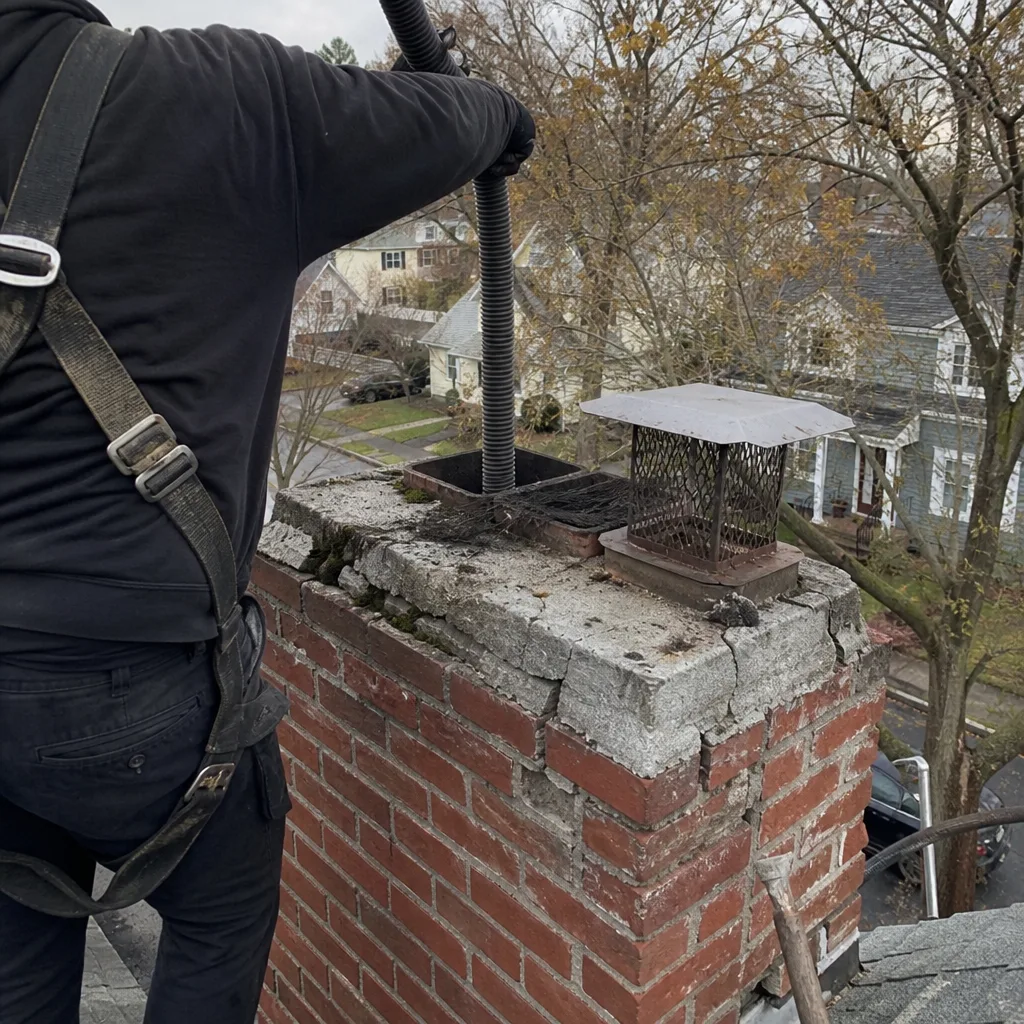 Before
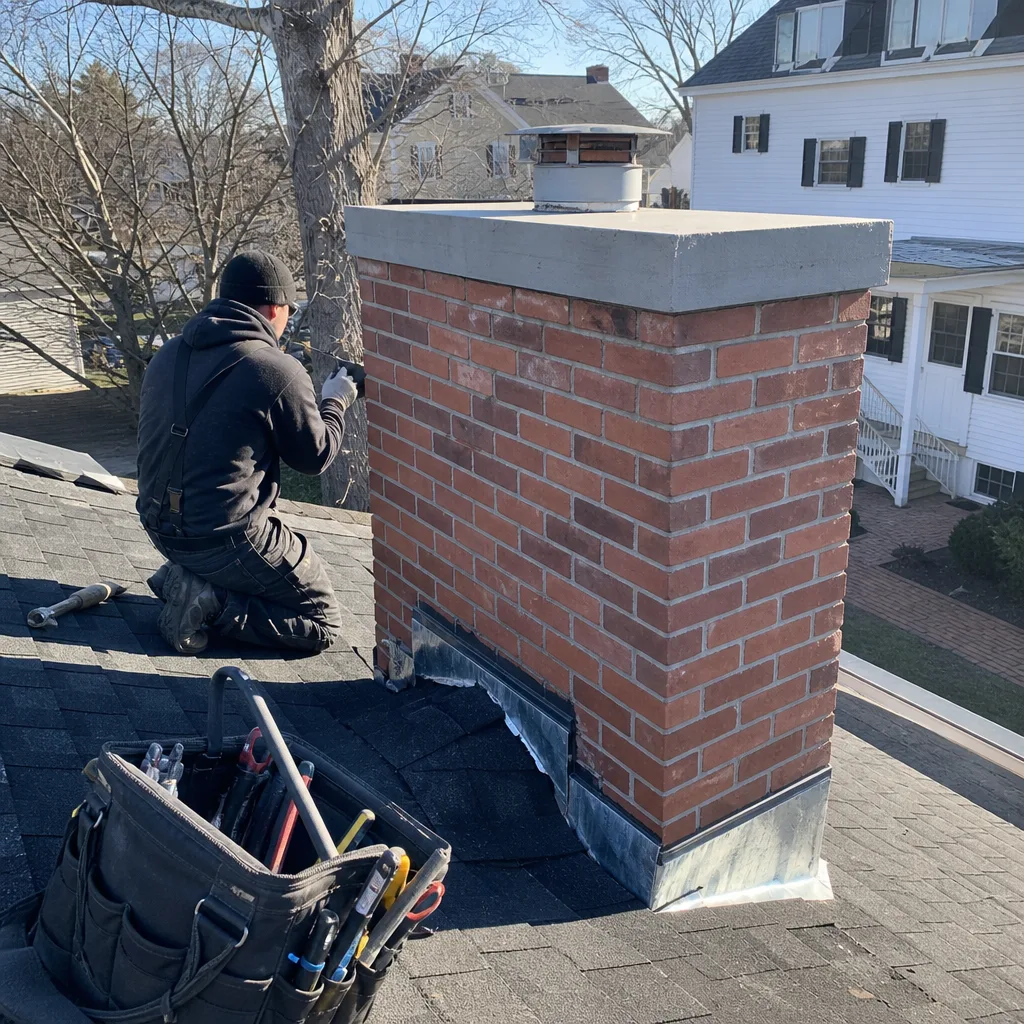 After
After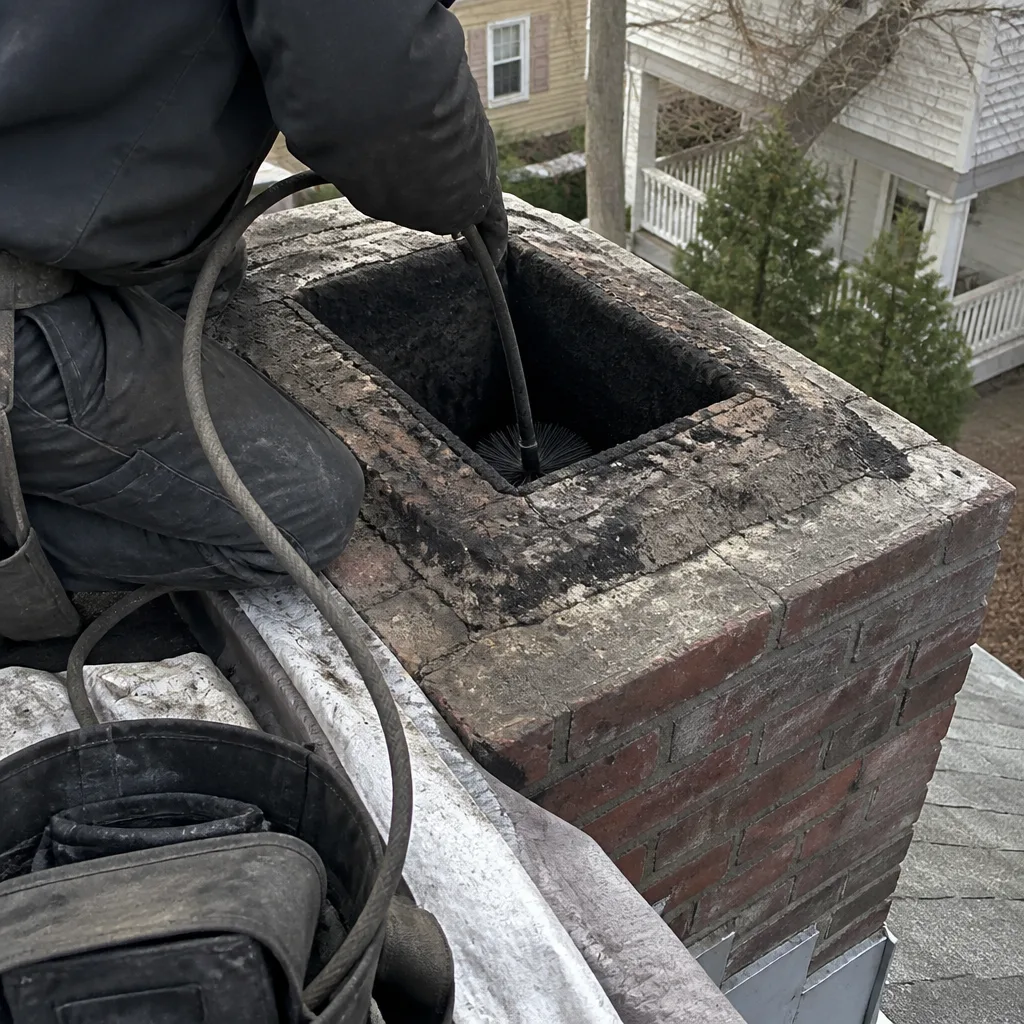 Before
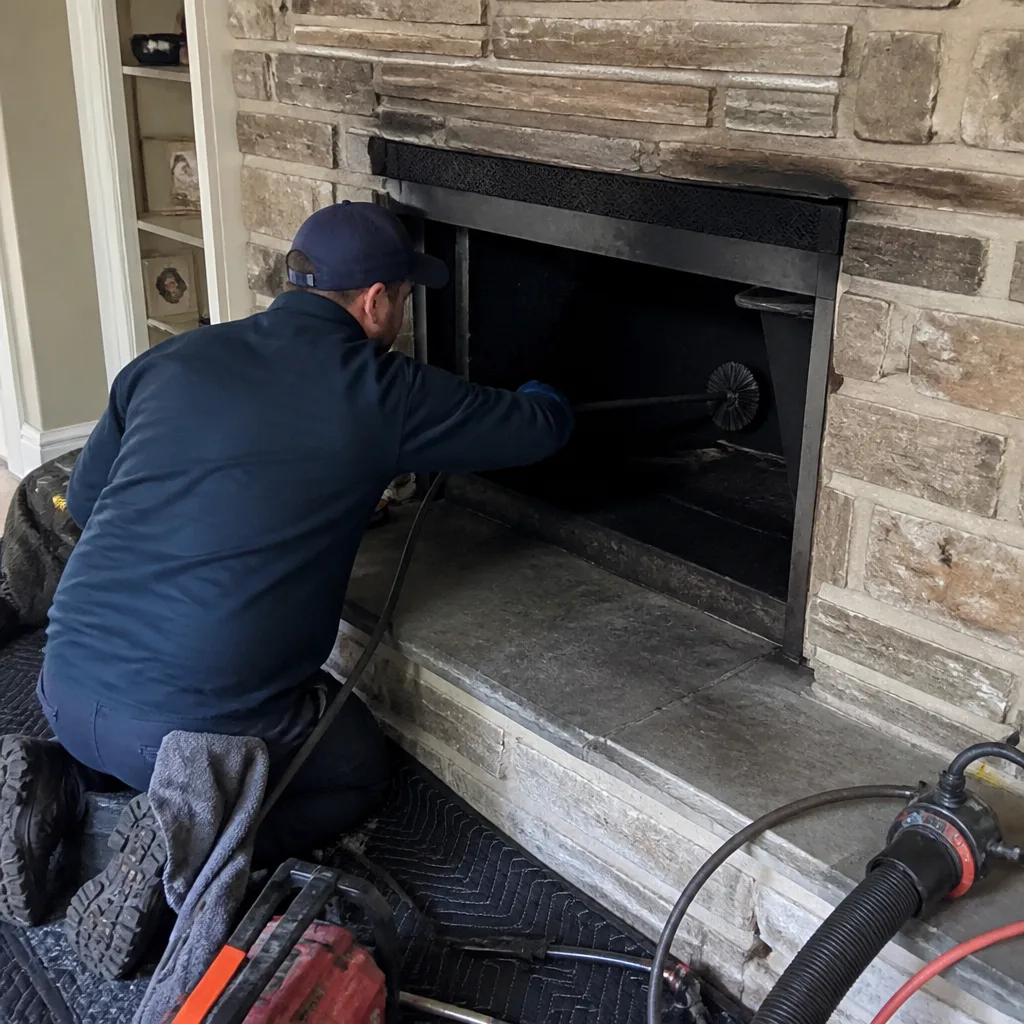 After
After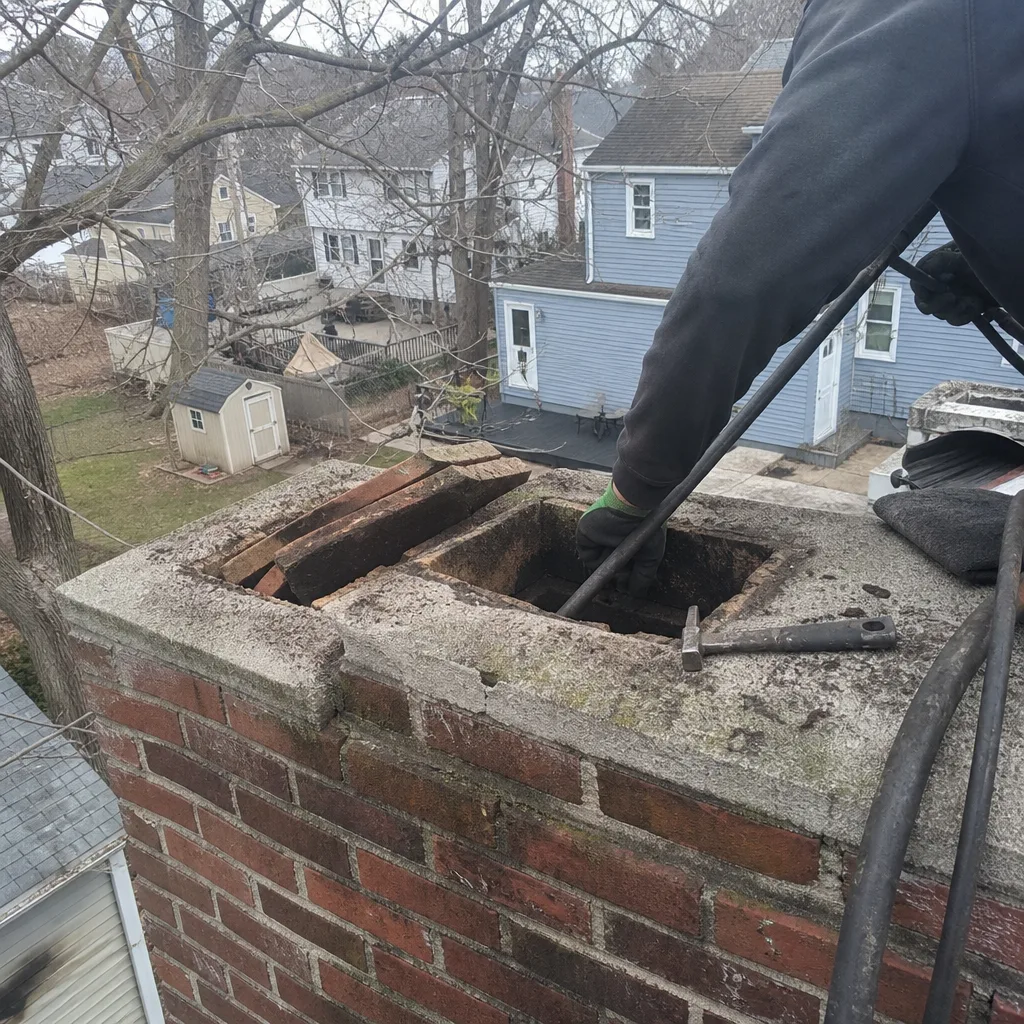 Before
 After
AfterSeasonal Chimney Cleaning Care for Cambridge: Year-Round Homeowner’s Guide
Most chimney damage in Cambridge happens between April and October, when the flue sits wet, unexamined, and unventilated. By the time the heating season starts in October, the deterioration is already done. Cambridge’s chimney calendar is driven by three specific forces - nor’easter moisture, a heating season that starts earlier than most of New England realizes, and a cooling period short enough that many homeowners skip spring inspection entirely - and that skip is where most preventable damage originates. In this guide, you’ll learn the exact month-by-month maintenance rhythm that protects Cambridge’s older masonry, the specific inspection windows that catch moisture damage before it becomes a four-figure repair, and how to read your chimney’s condition across all four seasons. For more guides & resources, visit our blog.
Quick Answer
Seasonal chimney cleaning care in Cambridge means inspecting in spring (April-May) to catch winter moisture damage, sweeping in late summer (August-September) before the heating season, and monitoring cap and crown condition year-round. Cambridge’s freeze-thaw cycles and nor’easter-driven moisture make spring inspection more critical than fall inspection for preventing spalling brick, deteriorated mortar, and liner corrosion. A documented NFPA 211 Level 2 inspection with camera-scan documentation - the standard we’ve held since 2009 - provides the photo evidence needed to distinguish between watch-and-wait conditions and repairs that cannot safely wait.
Table of Contents
- Spring Inspection: The Most Overlooked Season in Cambridge
- Summer Maintenance: Protecting an Unused Fireplace
- Fall Pre-Season: The Window That Determines Your Winter
- Winter Service: Limitations and Mid-Season Problems
- The Cambridge Chimney Calendar: Month-by-Month Action Items
- Why Moisture, Not Creosote, Is Cambridge’s Primary Threat
- What Documentation You Should Receive After Every Visit
- Common Mistakes to Avoid
- When to Call a Professional
- Frequently Asked Questions
BeforeAfterSpring Inspection: The Most Overlooked Season in Cambridge
Cambridge homeowners who wait until October to think about their chimney are already behind. Spring inspection - specifically April through May - catches the damage that accumulated during five months of continuous heating and the freeze-thaw cycles that followed.
Here’s what happens inside a Cambridge chimney between November and March. The flue liner expands and contracts with daily heating cycles. Combustion gases, including water vapor, condense against cooler upper flue surfaces. That moisture migrates into masonry joints. When temperatures drop below freezing - which they do reliably in Cambridge from late December through early March - the water expands, micro-fracturing mortar and spalling brick faces. By April, the evidence is visible to a camera but often invisible from the firebox or roofline.
We see this pattern consistently in Cambridge neighborhoods with pre-1940 housing stock: Inman Square, Porter Square, the Agassiz area, and the residential streets between Harvard and Central Squares. These homes were built with solid masonry construction that performs beautifully when maintained but deteriorates rapidly when moisture enters and cannot escape.
A spring inspection should include:
- Camera-scan of the full flue length - NFPA 211 Level 2 standard, documenting liner condition, joint integrity, and any creosote accumulation that hardened during winter burning.
- Crown and cap assessment - checking for cracks that opened during freeze-thaw, which allow direct water entry all summer.
- Exterior masonry survey - identifying spalled brick, deteriorated mortar joints, and efflorescence (white mineral deposits indicating water migration).
- Smoke chamber and damper evaluation - the smoke chamber, the area above the damper that funnels gases into the flue, often shows the first signs of heat and moisture damage.
The documentation from this inspection becomes your baseline. If the camera shows a hairline crack in a terracotta flue liner, you know exactly what it looked like in April. When you reinspect in 12 months, you’ll know whether it’s stable or propagating. Without that record, every inspection starts from zero - and that’s how small, watchable conditions become emergency rebuilds.
Spring is also when we can perform masonry repairs and crown rebuilding without the weather constraints that complicate winter work. Materials like HeatShield and Gelco crown coatings cure properly in moderate temperatures. Scheduling this work in April or May means your chimney enters summer sealed and enters fall ready for the heating season.
Summer Maintenance: Protecting an Unused Fireplace
Cambridge’s summer humidity - average July relative humidity runs 65-70% - creates a greenhouse inside an uncapped or poorly capped flue. Warm, moist air enters the top, condenses on cooler masonry surfaces, and sits there for months. This is the season when rust forms on damper hardware, when stainless steel liners begin surface corrosion if not properly graded for the application, and when odors develop from creosote deposits that absorb moisture and support bacterial growth.
The unused fireplace in summer is not a neutral state. It’s an active deterioration condition unless you intervene.
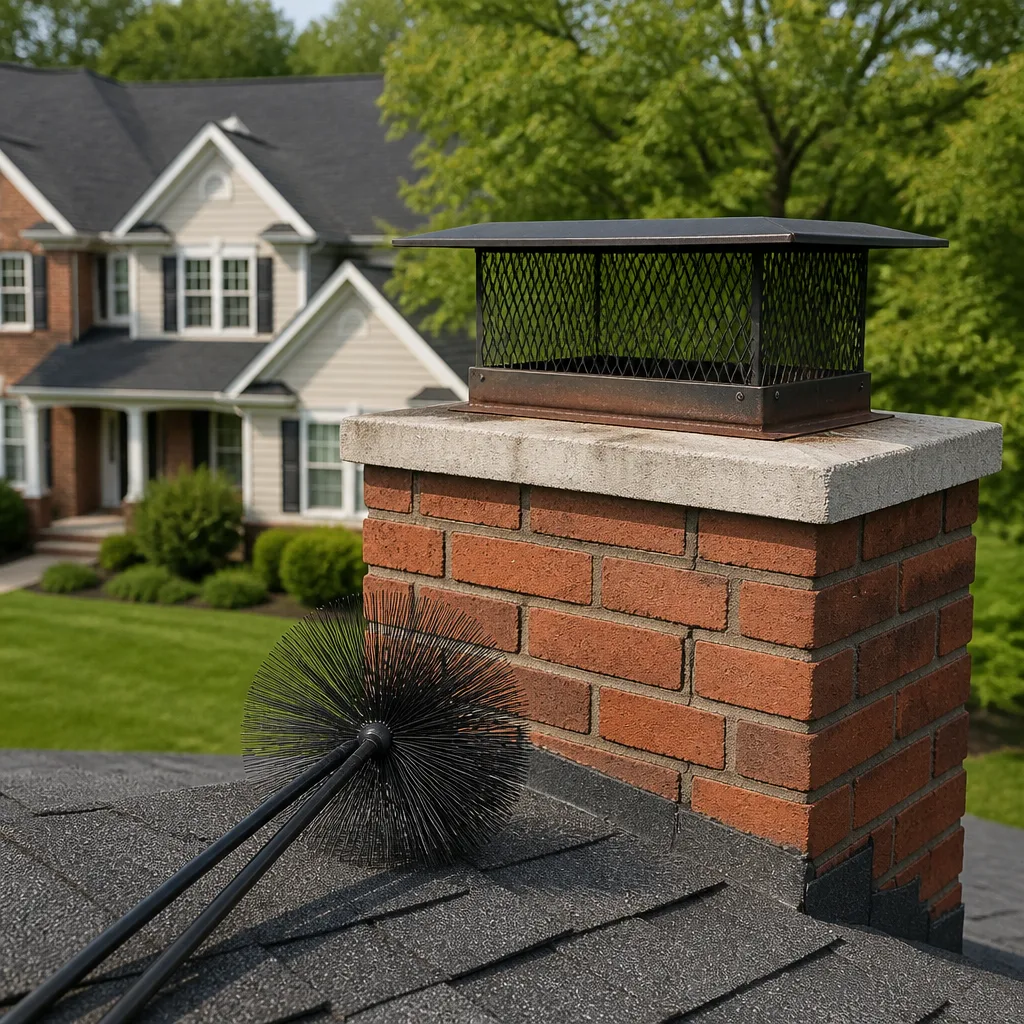
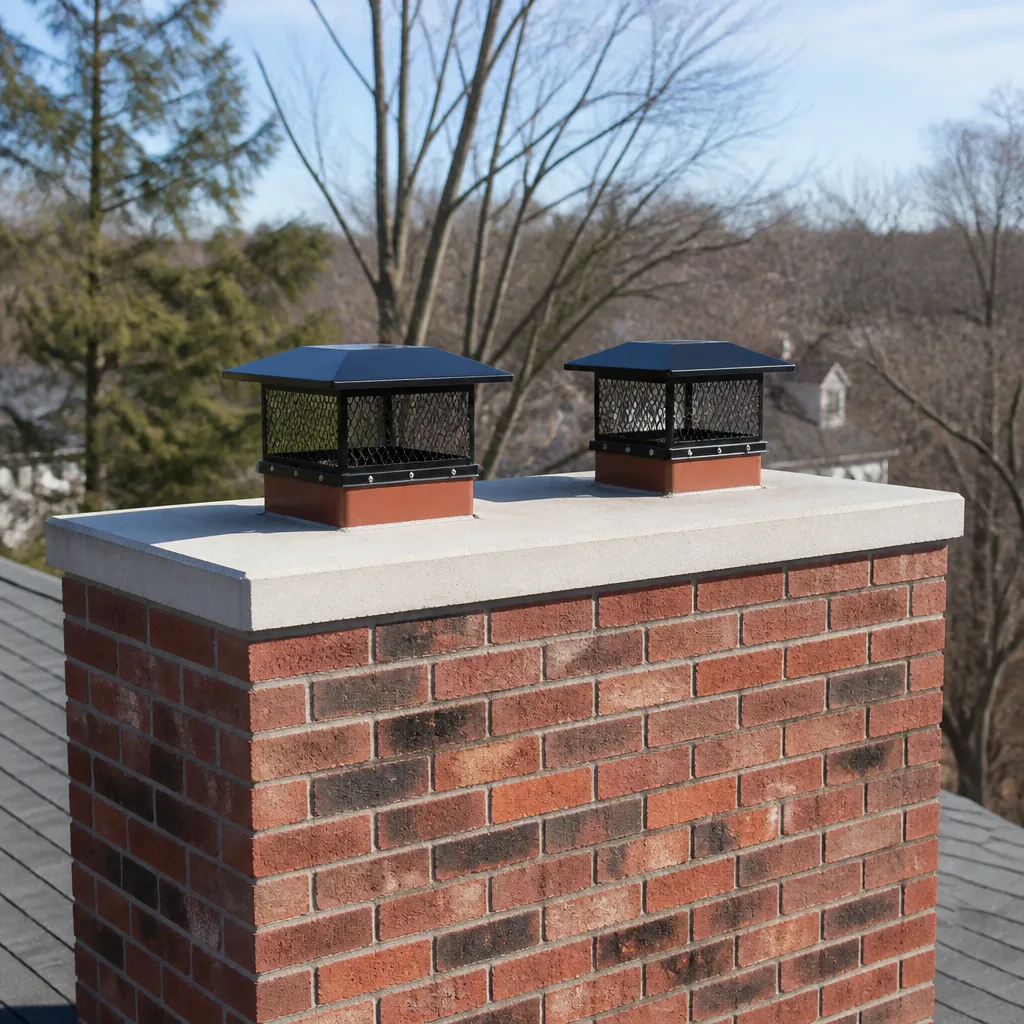
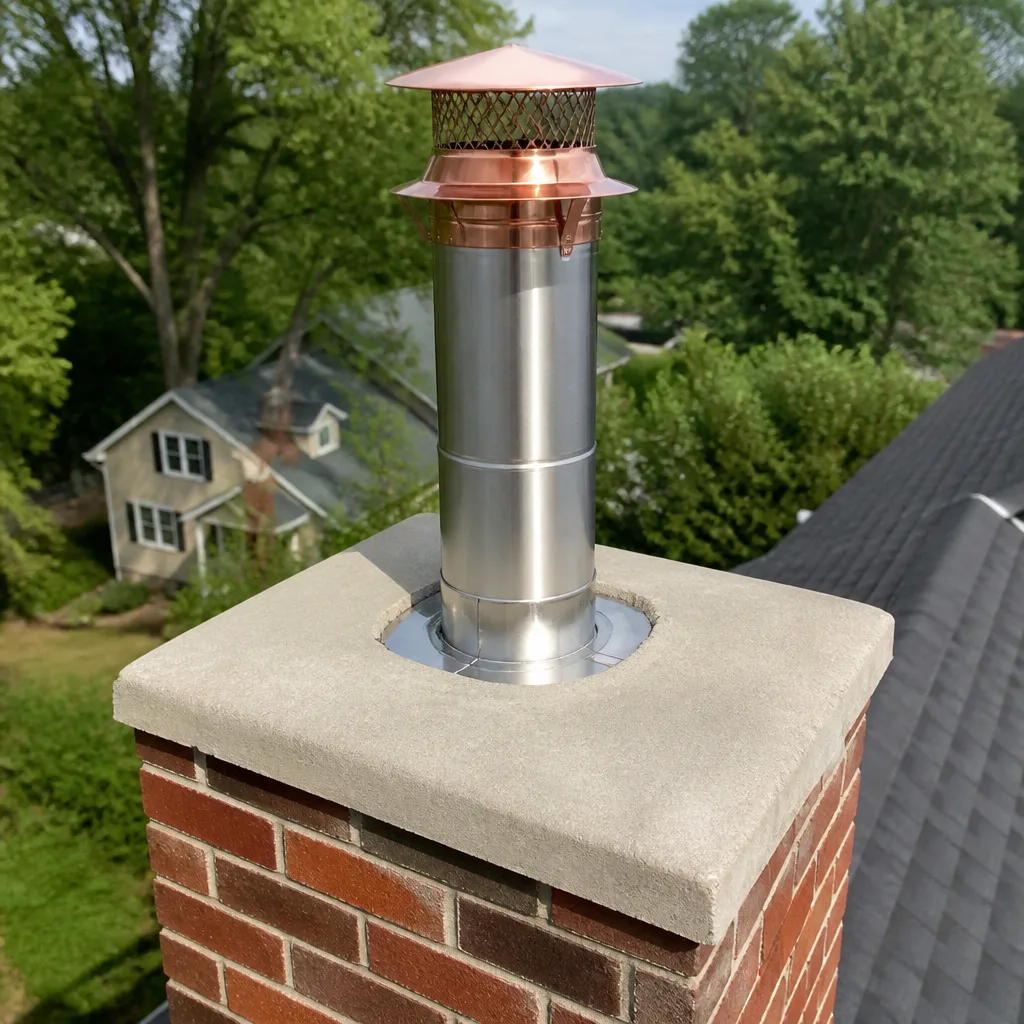
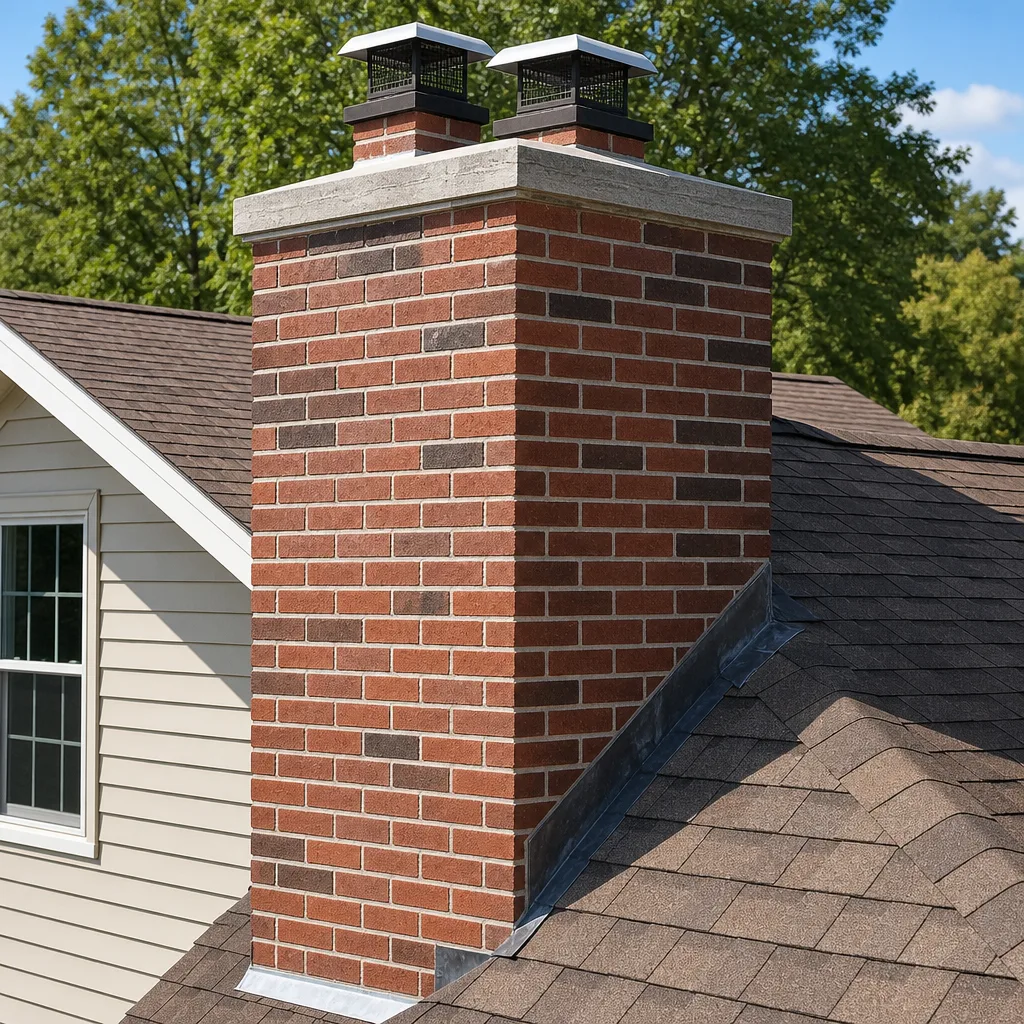
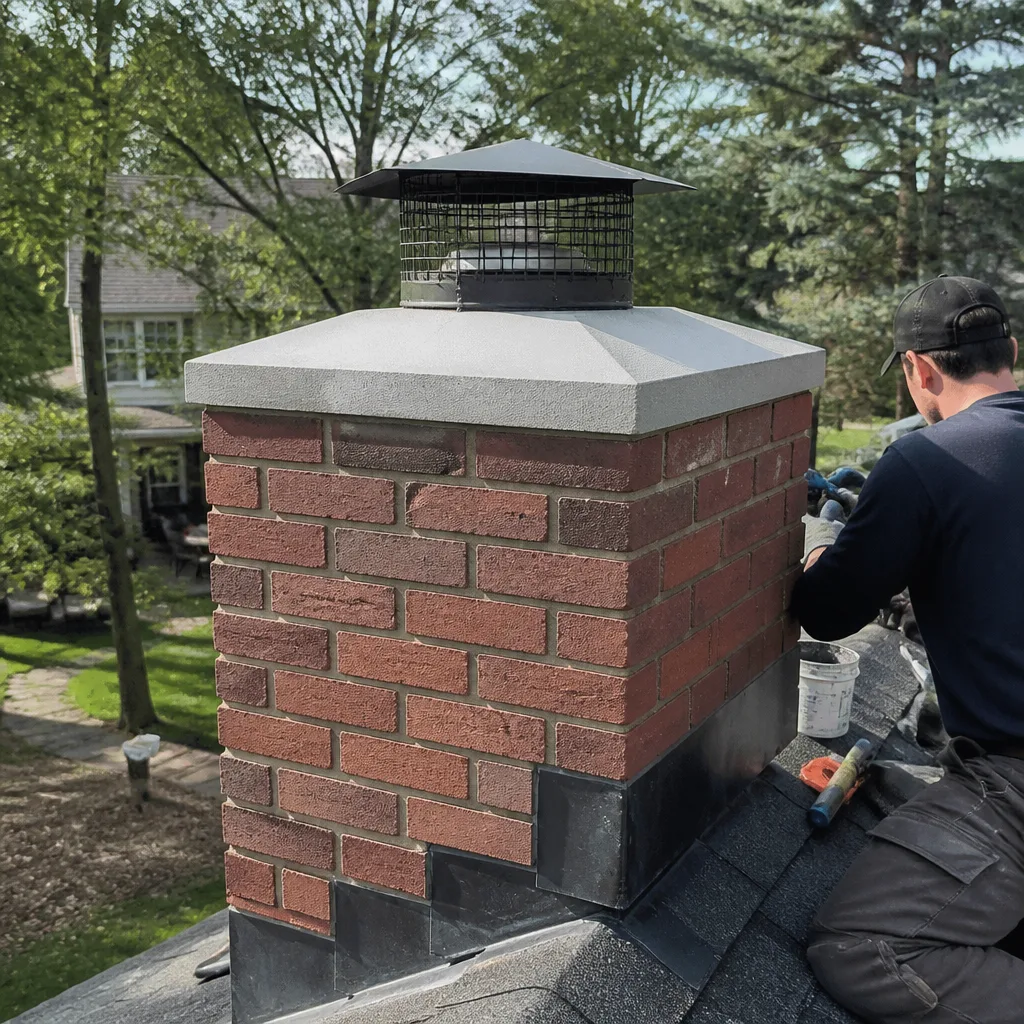
Cap condition is the first line of defense. A proper chimney cap - not the cheap galvanized units that rust through in three years, but a stainless steel or copper cap from a supplier like Famco or Copperfield - prevents rain entry, excludes wildlife, and allows ventilation. We replace dozens of failed caps in Cambridge every September, discovered when homeowners light their first fire and smell the moisture that accumulated all summer. The cap should have mesh sides for draft ventilation and a lid that extends at least two inches past the flue tile edge.
Wildlife exclusion matters specifically in Cambridge. The urban tree canopy - particularly in neighborhoods like West Cambridge and the Fresh Pond watershed area - supports squirrel and raccoon populations that investigate chimneys in late spring and early summer. A cap with intact mesh prevents nesting. A cap with corroded mesh or no mesh at all invites a blocked flue by October. We’ve extracted complete squirrel nests from flues in September, and the homeowners had no indication until the first smoky fire.
Moisture management in older housing stock. Many Cambridge homes built before 1920 have unlined brick chimneys or original terracotta liners with deteriorated joints. These flues absorb humidity like a sponge. If your spring inspection revealed any moisture path - crown cracks, missing mortar, deteriorated flashing - summer is when that path does cumulative damage. The repair cannot wait until fall. By October, the masonry has undergone another 150 freeze-thaw cycles.
What you can do yourself: Visually inspect the cap from ground level with binoculars. Check that the damper closes fully and seals (hold a lit incense stick near it - smoke should not drift upward when closed). Look for water staining on the firebox walls or rust on the damper frame. What you should not do: climb the roof to inspect closer, or attempt to seal the flue yourself with improvised covers. Both create safety hazards and often trap moisture rather than exclude it.
Fall Pre-Season: The Window That Determines Your Winter
The fall pre-season window in Cambridge runs from late August through mid-October. This is when sweeping occurs - see our Chimney Cleaning & Sweep Maintenance Checklist for Cambridge Homeowners - when final repairs are completed, and when the evidence from your spring inspection is either acted upon or ignored.
Sweeping should happen before the first fire, not after. The NFPA 211 standard recommends annual inspection and cleaning as needed. In practice, Cambridge homeowners who burn regularly - more than three times weekly during heating season - typically need annual sweeping. Those who burn occasionally may extend to every two years if the inspection shows minimal creosote accumulation. But the inspection must happen every year without exception. Creosote buildup is not linear; it accelerates with cooler flue temperatures, which occur when outdoor temperatures are mild - exactly Cambridge’s October and November conditions.
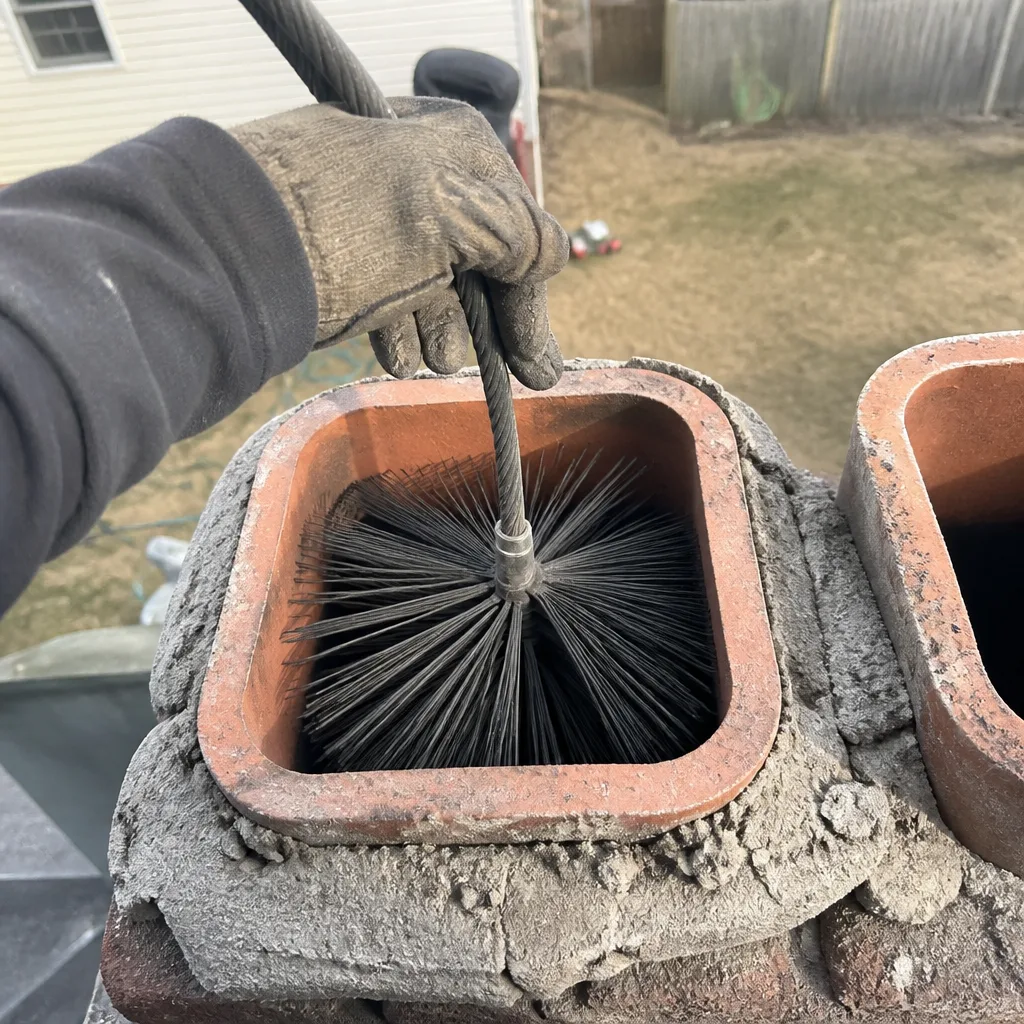
The sweep itself removes Class I and II creosote (soot and flaky deposits) through mechanical brushing. Class III creosote - the hardened, tar-like glaze that forms with slow, smoldering fires or inadequate air supply - requires chemical treatment or rotary removal. We identify creosote class during camera inspection and specify the removal method in our written scope before work begins. Clause 1 of the Haven Standard requires that written price and written scope; you’ll never get a surprise charge because we discovered heavier creosote than expected.
Pre-season repairs have a hard deadline. Masonry work, crown rebuilding, and liner installation require temperature windows for proper curing. By mid-October in Cambridge, we’re scheduling around weather forecasts. HeatShield refractory mortar, which we use for smoke chamber parging and flue resurfacing, requires 40°F minimum for 24 hours. CrownSeal and similar coatings need similar conditions. If your spring inspection identified crown cracks or liner deterioration, August and September are your reliable repair months.
The first fire protocol. Before lighting the first fire of the season:
- Verify the damper opens fully and operates smoothly.
- Confirm the cap is intact and properly seated.
- Check that no debris or animal nesting material is visible in the firebox or flue opening.
- Light a small test fire - newspaper or a few sticks - and observe draft behavior. Smoke should draw immediately up the flue, not linger in the firebox or enter the room.
- If you smell unusual odors, or if draft seems weak, extinguish and call for inspection before building a larger fire.
Weak draft in October often indicates a partially blocked flue, a damaged liner creating turbulence, or negative pressure conditions in tightly sealed modern homes. All three are fixable, but none are safe to ignore.
Winter Service: Limitations and Mid-Season Problems
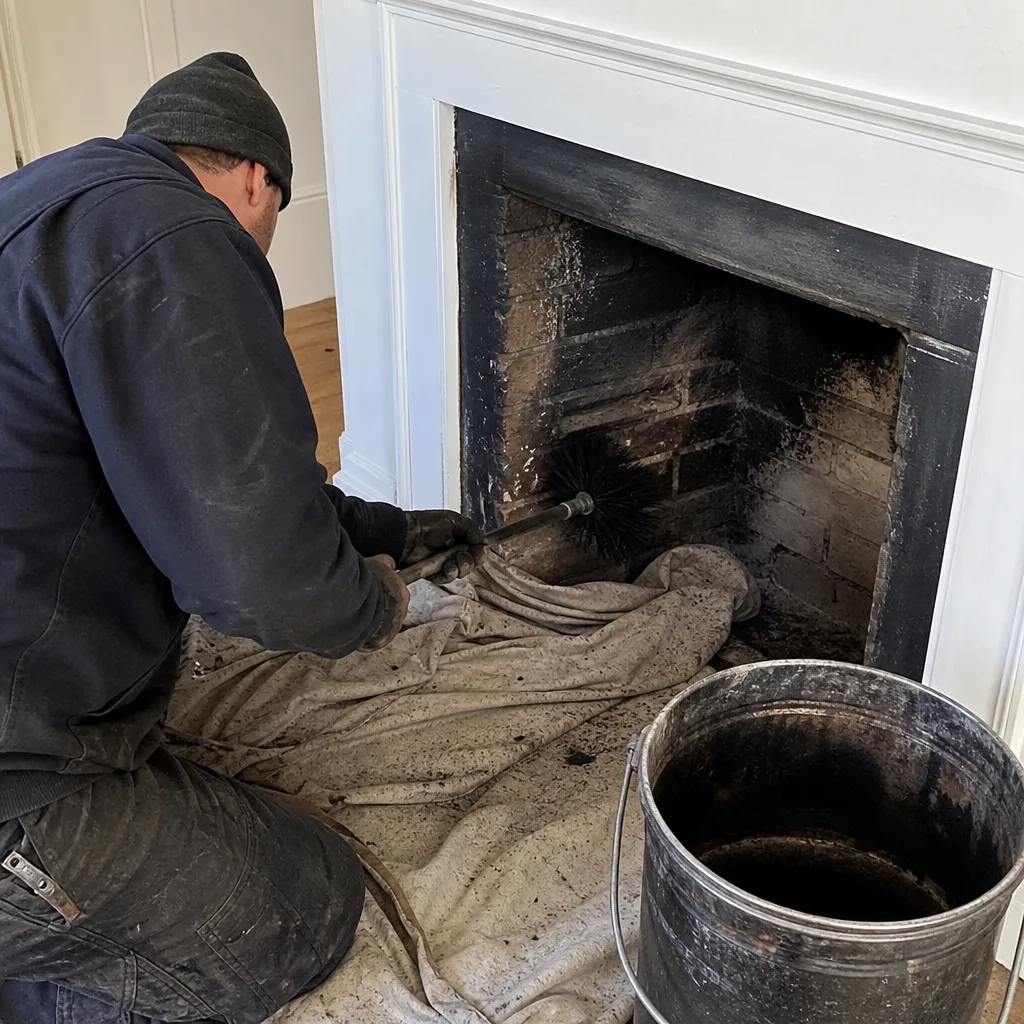
Winter chimney service in Cambridge operates under constraints that don’t exist in other seasons. Temperature, snow load, and heating urgency all affect what can be done and how quickly.
What we can do in winter: Inspection, sweeping, and many repairs proceed normally. Camera inspection works at any temperature. Stainless steel liner installation, cap replacement, and damper repair are routine. We’ve performed complete liner replacements in January when a mid-season inspection revealed dangerous deterioration.
What becomes difficult or inadvisable: Crown rebuilding with cementitious materials requires above-freezing temperatures for proper cure. HeatShield and similar refractory products have manufacturer-specified minimums. Exterior masonry repointing in active snow or ice conditions produces poor bond strength and accelerated failure. In these cases, we document the condition, provide temporary protection if needed, and schedule definitive repair for the first reliable weather window.
Mid-season problems that require immediate response:
- Sudden draft failure or smoke backup - indicates blockage, possibly from a detached liner segment, animal intrusion, or ice dam at the cap.
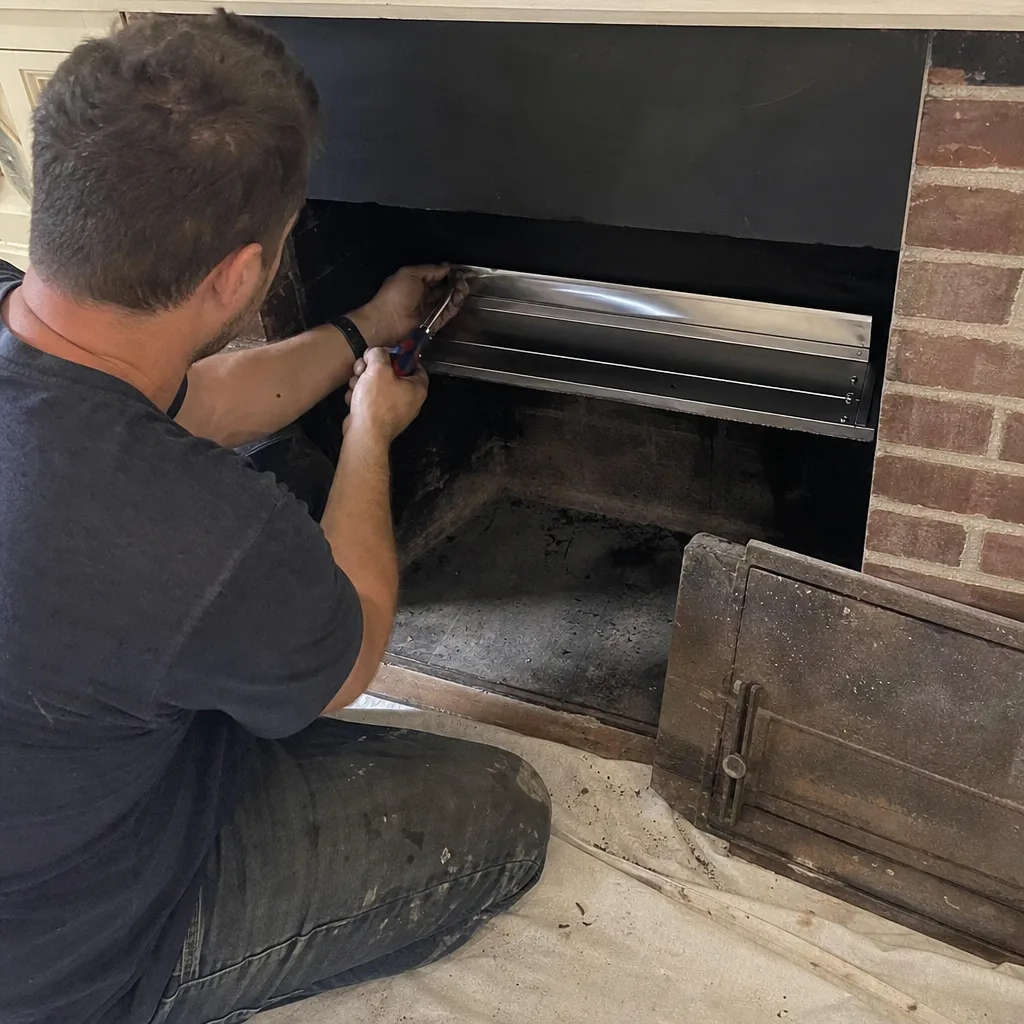
- Visible cracks in the firebox or hearth - heat-resistant refractory panels crack from thermal shock; a cracked panel can allow combustion gases into wall cavities.
- Water dripping into the firebox during thaw - indicates crown failure, cap displacement, or flashing deterioration that has progressed to active leakage.
- Unusual odors when the fireplace is not in use - often indicates creosote saturation with moisture, or negative pressure drawing odors down the flue.
Carbon monoxide risk increases in winter when heating systems operate continuously and homes are sealed tightly. A damaged or blocked flue can allow CO to enter living spaces rather than exhaust to atmosphere. Every Cambridge home with a fireplace or attached heating appliance should have working CO detectors on every level. If a detector alarms and you suspect a chimney or venting problem, evacuate and call for emergency inspection.
Our live phone support runs 24 hours a day, 7 days a week. Winter calls are answered by a person who can dispatch a technician or advise on immediate safety steps. We don’t use voicemail or web forms for urgent situations.
The Cambridge Chimney Calendar: Month-by-Month Action Items
Cambridge’s specific climate data drives this calendar. Average first frost: October 20. Average last frost: April 15. Heating degree days exceed 6,000 annually. Precipitation is distributed year-round with no true dry season, and nor’easters can deliver 2-4 inches of rain in 48 hours during any month.
| Month | Action | Cambridge-Specific Context |
|---|---|---|
| March | Schedule spring inspection | Appointment availability opens; book before demand peaks in April |
| April-May | NFPA 211 Level 2 inspection with camera documentation | Post-winter damage is fresh and visible; repair weather is reliable |
| June-July | Complete masonry repairs, crown work, cap replacement | Longest curing windows; materials like HeatShield perform optimally |
| August | Schedule fall sweep | Beat the September rush; first-fire-ready by October 1 |
| September | Chimney sweep and final pre-season inspection | Verify spring repairs held; address any summer moisture damage |
| October 1-15 | First fire protocol; test burn with observation | Cambridge heating season typically begins third week of October |
| November-February | Monitor for mid-season problems; annual inspection due 12 months from last | Heaviest use period; CO detectors tested monthly |
This calendar assumes annual inspection. If your last inspection was more than 12 months ago, your current month is your action month - don’t wait for the “ideal” season. A documented inspection with photo record provides the baseline that makes future timing decisions meaningful.
Why Moisture, Not Creosote, Is Cambridge’s Primary Threat
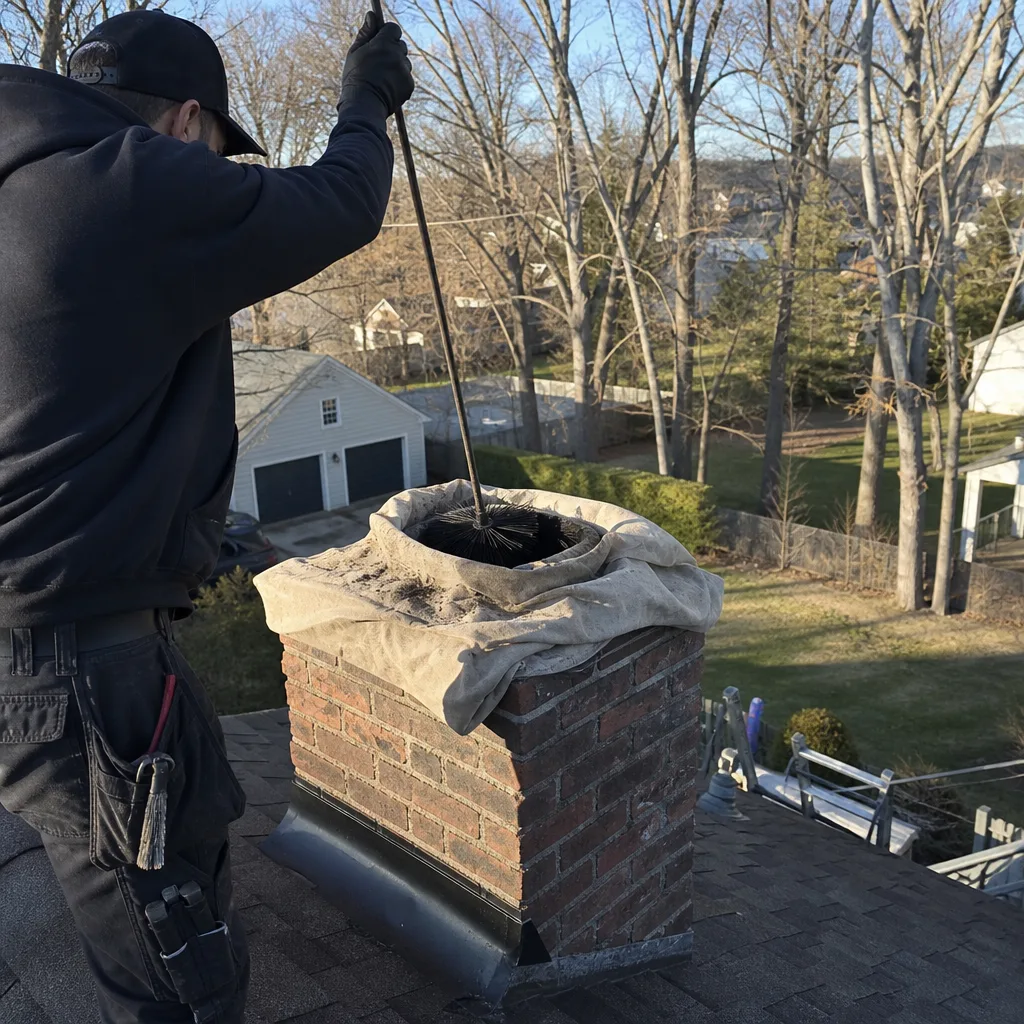
Every chimney sweep company talks about creosote. It’s visible, it’s measurable, and it’s the classic fire hazard. But in Cambridge’s specific climate and housing stock, moisture causes more structural damage and more expensive repairs than creosote ever will.
Cambridge receives approximately 48 inches of precipitation annually, distributed across all seasons. The city has no extended dry period. Combined with freeze-thaw cycling that typically produces 80-100 freeze-thaw events per winter, this means masonry chimneys are under continuous hydrostatic stress.
Here’s the mechanism we document repeatedly in Cambridge inspections:
- Water enters through crown cracks, deteriorated mortar joints, or failed flashing.
- Water migrates through porous brick and mortar, dissolving soluble salts.
- Evaporation at the surface deposits those salts as efflorescence - the white powdery staining visible on many Cambridge chimneys.
- Repeated wet-dry and freeze-thaw cycles cause spalling: the face of the brick pops off, exposing softer interior material to accelerated deterioration.
- Spalled brick and open joints allow increased water entry, accelerating the cycle.
- Water that reaches the flue liner causes corrosion of metal liners or deterioration of terracotta, and can leak into wall cavities or living spaces.
Class III creosote is a genuine fire hazard and requires removal. But a chimney fire, while dangerous, is a discrete event. Moisture damage is continuous, cumulative, and often invisible until the repair cost exceeds $3,000. We’ve rebuilt chimney crowns, performed partial rebuilds of spalled courses, and replaced corroded stainless liners - all damage that began with moisture entry that went unaddressed for two or more years.
The camera inspection is what catches it early. A hairline crack in a crown, visible from the roof but not from the ground, is obvious in a photo taken from the technician’s ladder. Deteriorated mortar joints between flue tiles, invisible from the firebox, are clear in camera footage. Without documentation, these conditions are discovered when water stains appear on the ceiling or when the chimney leans.
Materials matter for moisture resistance. We source caps and flashing components through suppliers like Olympia Chimney and Copperfield specifically for their resistance ratings in wet, freeze-thaw climates. A cap that performs adequately in a dry climate will fail prematurely in Cambridge. The Haven Standard’s material specifications, developed from our 38,000+ inspections since 2009, reflect this regional specificity.
What Documentation You Should Receive After Every Visit
Documentation is not an administrative afterthought. It is the product. A chimney inspection without documentation is an opinion; with documentation, it becomes evidence you can act on, share with your insurer, or reference in a home sale.
Clause 4 of the Haven Standard requires a documented photo record on every job. We’ve maintained this practice since 2009, before regulators or insurers asked for it. Here’s what you should receive after any chimney service in Cambridge:
- Written scope of work - what was done, what was found, and what was recommended, in plain language.
- Written price for any recommended work - not an estimate range, but a specific price for a specific scope, delivered before any work begins.
- Camera footage or still photos - showing flue liner condition from top to bottom, smoke chamber, damper assembly, crown, and exterior masonry.
- Written warranty - covering the work performed, with clear terms and duration.
- Condition assessment - for each component inspected, a status classification: satisfactory, monitor, or repair recommended, with the basis for that classification.
This documentation serves multiple purposes. For your own maintenance planning, it creates the year-over-year record that shows whether conditions are stable or progressing. For insurance purposes, it proves that maintenance was performed to NFPA standards. For real estate transactions, it provides the disclosure documentation that buyers and inspectors request. And for dispute resolution, it provides the objective record that prevents “he said, she said” conflicts.
We stamp every job with the 365-Day Done Right Promise: if it’s not done right, we make it right. The documentation is how we and the customer both know what “right” means for that specific chimney.
Our Chimney Cleaning & Sweep in Cambridge service includes this full documentation package as standard, not as an optional add-on. The same standard applies to our Chimney Repair in Cambridge and Fireplace Services in Cambridge.
Common Mistakes to Avoid
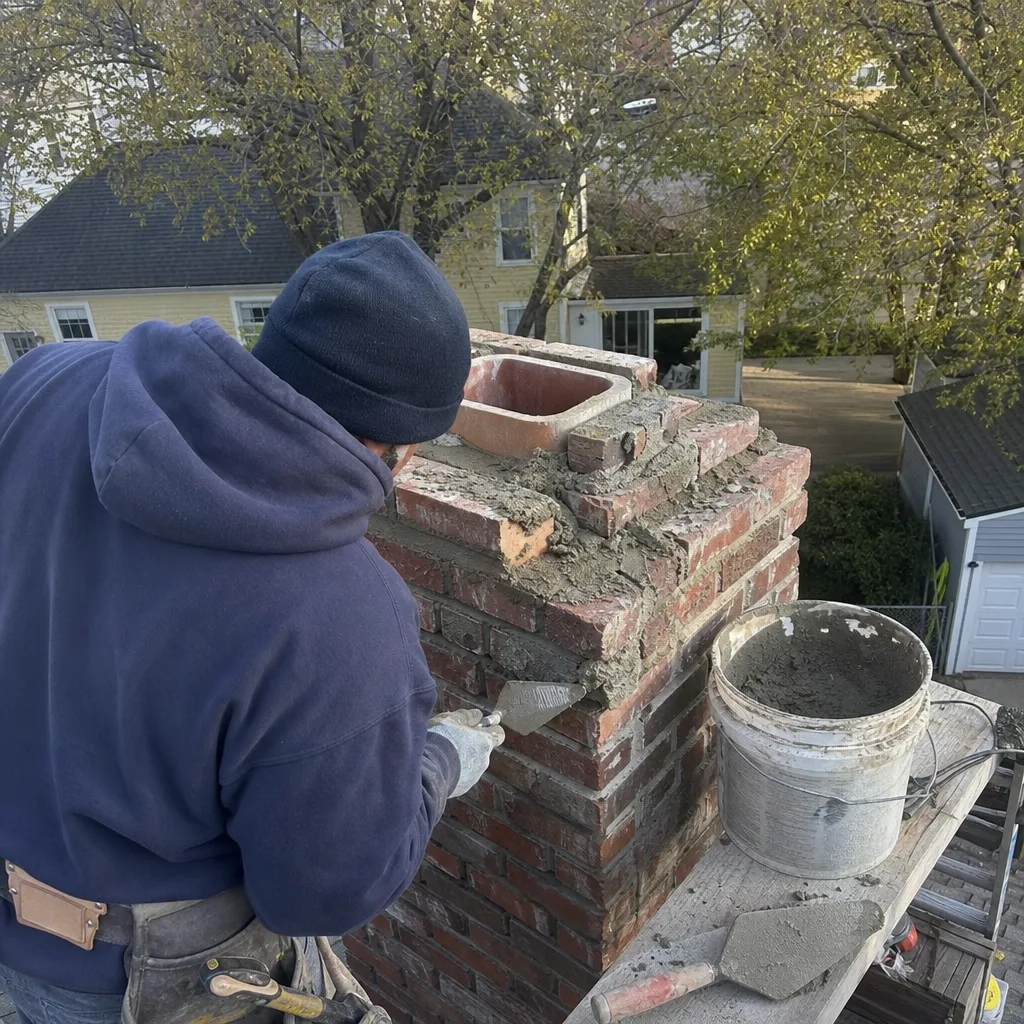
- Skipping spring inspection because the chimney “worked fine all winter.” Winter use causes the damage that spring inspection catches. The fact that fires drew properly in January says nothing about crown cracks that opened in February or liner deterioration that progressed under continuous thermal cycling.
- Assuming a visual inspection from the firebox is sufficient. The critical damage in Cambridge chimneys occurs in the upper flue, the smoke chamber, and the crown - all invisible without a camera and roof access. A flashlight look from below misses what matters.
- Installing a cheap cap and forgetting it. The $89 galvanized caps sold at hardware stores rust through in 2-3 years in Cambridge’s climate. By the time you notice, the flue has absorbed two winters of unimpeded rain. Invest in stainless steel or copper from a quality supplier like Famco or Gelco, and inspect it annually.
- Waiting until the first cold snap to schedule sweeping. Cambridge’s first sustained cold typically arrives the third week of October. Every chimney sweep company in the metro area is booked solid by then. Schedule in August for September service.
- Ignoring efflorescence as “just cosmetic.” White staining on exterior masonry indicates active water migration. It is the chimney’s warning signal that moisture is moving through the wall system. Left unaddressed, it precedes spalling, joint failure, and interior leakage.
- Attempting DIY liner inspection or repair. Flue liners, especially in older Cambridge chimneys, may be deteriorated in ways that aren’t visible without specialized equipment. Disturbing a compromised liner can create blockages or expose combustible framing. This work requires NFPA 211 Level 2 training and camera documentation.
When to Call a Professional
Call for professional inspection when: it’s been more than 12 months since your last documented inspection; you observe any smoke backup, unusual odors, or visible deterioration; you’re purchasing a home and need objective condition documentation; or you’ve received a repair recommendation from another company and want a free second opinion on their written estimate.
Specific scenarios that require prompt professional response include water dripping into the firebox (active leakage path), a damper that won’t open or close fully (fire control and draft hazard), cracks in refractory panels or firebrick (combustible exposure risk), and any carbon monoxide detector alarm where chimney or venting damage is suspected.
Level Two Chimney Cambridge offers free estimates in Cambridge - call (857) 309-1908. Every estimate includes a written price, written scope, and written warranty before any work begins. Our background-checked, uniformed technicians carry license information and send a text when en route. Live phone support is available 24 hours a day, 7 days a week.
Frequently Asked Questions
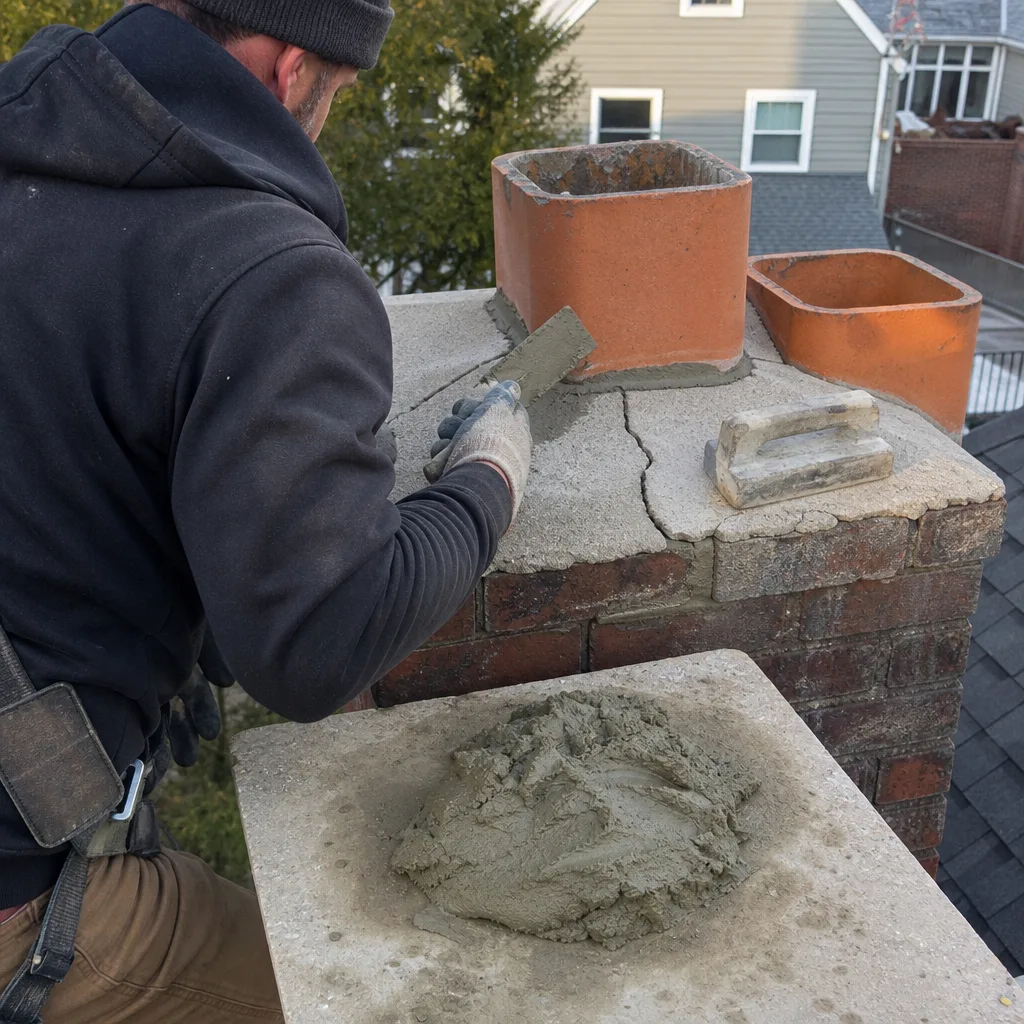
A standard chimney sweep in Cambridge typically ranges from $225-$375, depending on creosote class, flue accessibility, and whether the service includes NFPA 211 Level 2 camera inspection. For detailed pricing factors, see our Chimney Cleaning Cost Breakdown: The Cambridge Homeowner’s Reference for 2026. Level Two Chimney Cambridge includes camera-scan documentation and a written photo record on every visit under Haven Standard Clause 4, with a written price delivered before work starts. Call (857) 309-1908 for an exact quote - estimates are free.
The NFPA 211 standard requires annual inspection; sweeping frequency depends on use and fuel. Cambridge homeowners who burn wood regularly during heating season typically need annual sweeping. Occasional burners may extend to every two years if inspection shows minimal creosote. The critical factor is the annual documented inspection, which catches moisture damage and liner deterioration regardless of burning frequency.
You need a new liner when the existing liner is damaged in a way that creates a safety hazard - cracks that allow combustion gases into wall cavities, corrosion that compromises structural integrity, or gaps between terracotta segments that expose combustible framing. The decision should be based on camera evidence you can see, not on verbal assurance. At Level Two Chimney Cambridge, we show you the footage and explain what the code requires. If a condition can safely be monitored, we say so plainly and document it for comparison next year. Call (857) 309-1908 for a free second opinion on any liner replacement recommendation.
Skipped maintenance leads to progressive moisture damage in Cambridge’s climate: spalled brick, deteriorated mortar, corroded liners, and eventually water intrusion into living spaces. Creosote accumulates, increasing fire risk and reducing draft efficiency. The cumulative repair cost typically exceeds preventive maintenance by 5-10x within five years. More critically, a damaged flue can allow carbon monoxide into the home or support a chimney fire that spreads to the structure.
Spring inspection catches winter damage when it’s fresh and before summer moisture accelerates it. Cambridge’s freeze-thaw cycles and nor’easter precipitation create damage between November and April that worsens continuously if unaddressed through the humid summer. Fall inspection, while valuable for pre-season readiness, often discovers damage that has been progressing for six months. The ideal rhythm is both: spring for structural assessment and repair, fall for sweep and pre-season verification.
No. Suspected problems - smoke backup, unusual odors, visible cracks, or water entry - indicate conditions that can worsen rapidly with heat and combustion gases. Extinguish any active fire safely, close the damper if operable, and call for inspection before using the fireplace again. Carbon monoxide is odorless and colorless; physical symptoms (headache, nausea, dizziness) during or after fireplace use require immediate evacuation and emergency response.
The Bottom Line
Cambridge’s chimney maintenance calendar is defined by moisture, not just by the heating season. The homeowners who avoid four-figure repairs are those who inspect in spring, repair in summer, sweep in early fall, and maintain documentation year-round. The 38,000+ inspections we’ve completed since 2009 show a clear pattern: documented, proactive maintenance prevents the emergency repairs that occur when deterioration goes unnoticed across multiple seasons. A camera-scan inspection with photo record - the standard we’ve held since before regulators required it - provides the evidence base for every decision about your chimney. Schedule your inspection, receive your written price before any work begins, and build the year-over-year record that protects your home’s value and your family’s safety.
Call Level Two Chimney Cambridge at (857) 309-1908 for a free estimate. Live phone support is available 24 hours a day, 7 days a week.
Written by Corrine Halstead, Owner at Level Two Chimney Cambridge, serving Cambridge since 2009.