
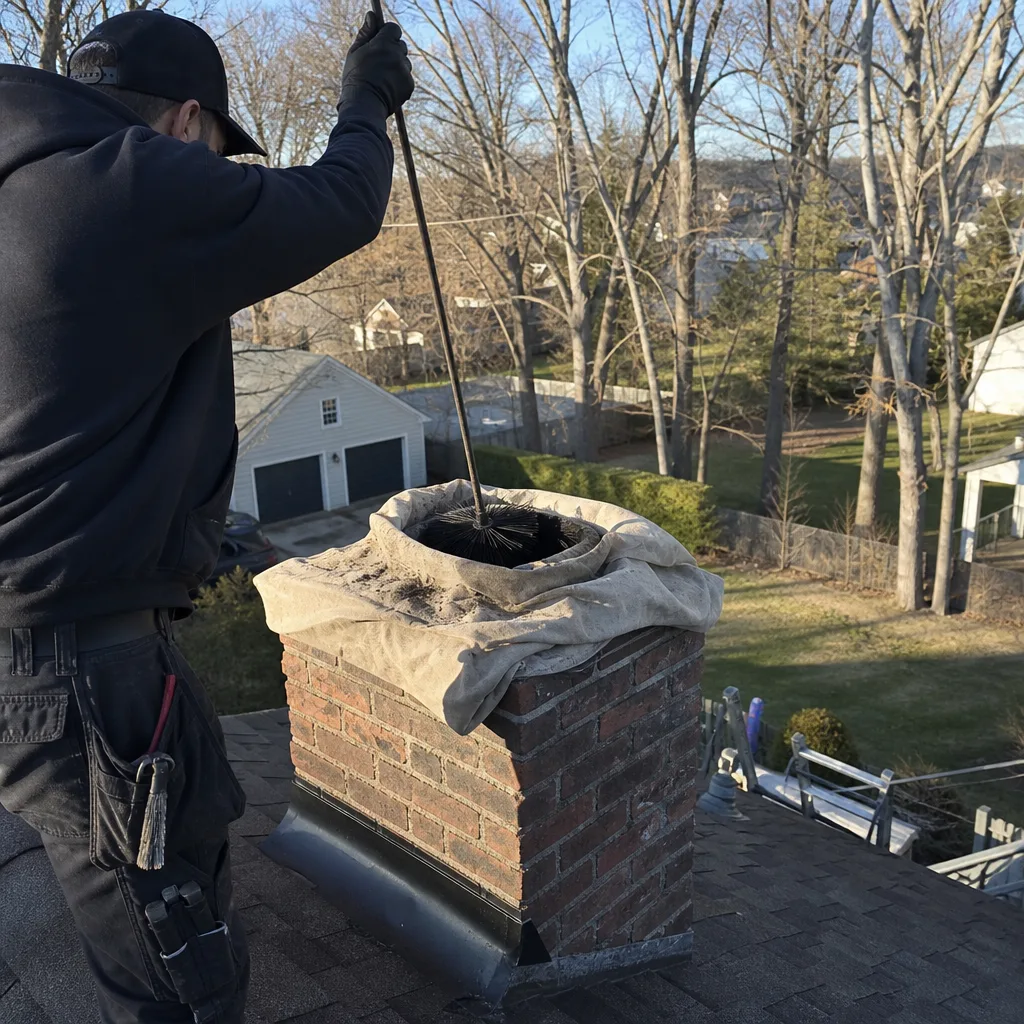
Level 1 sweep and inspection to the NFPA 211 annual standard - flue, crown, cap, and flashing checked and photographed
Chimney sweep logs do not sweep chimneys. They loosen some creosote - which then falls where a brush and vacuum still have to collect it.
Gas fireplace service
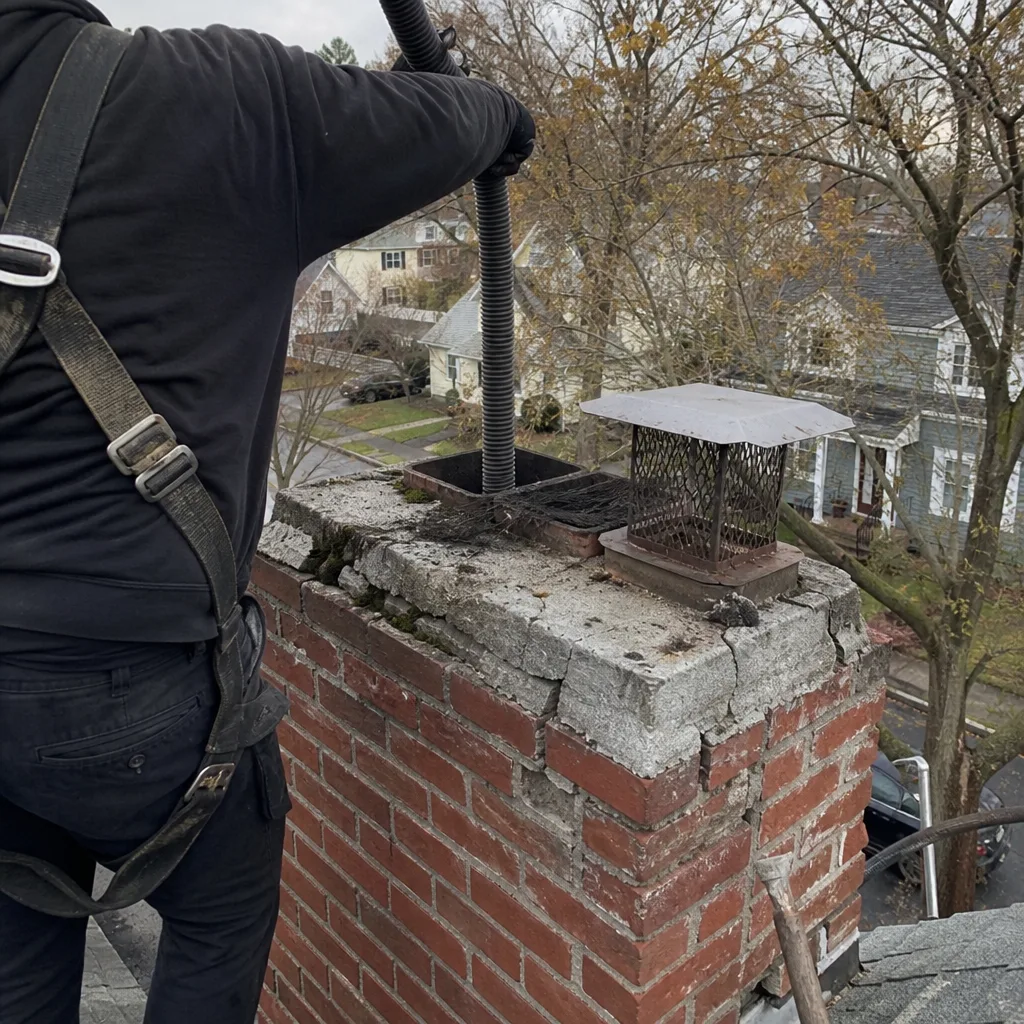 Before
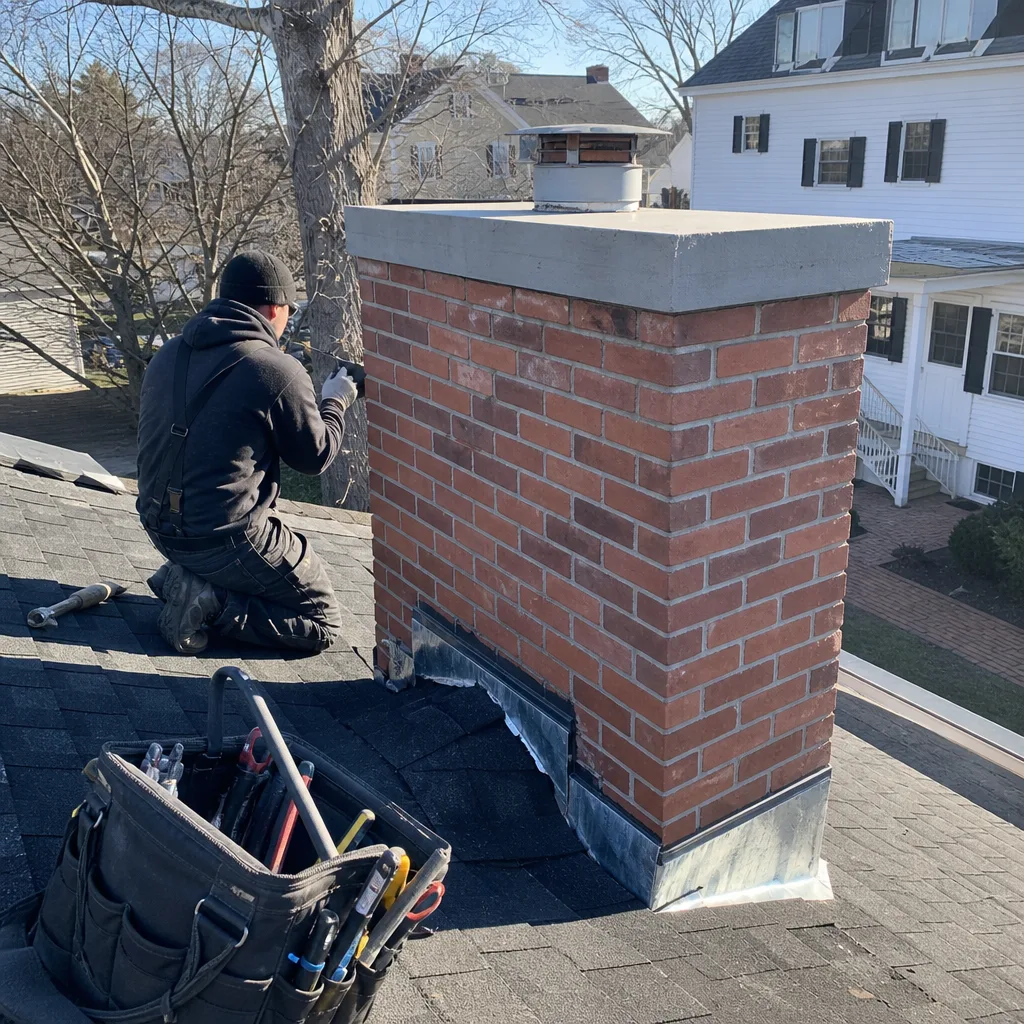 After
After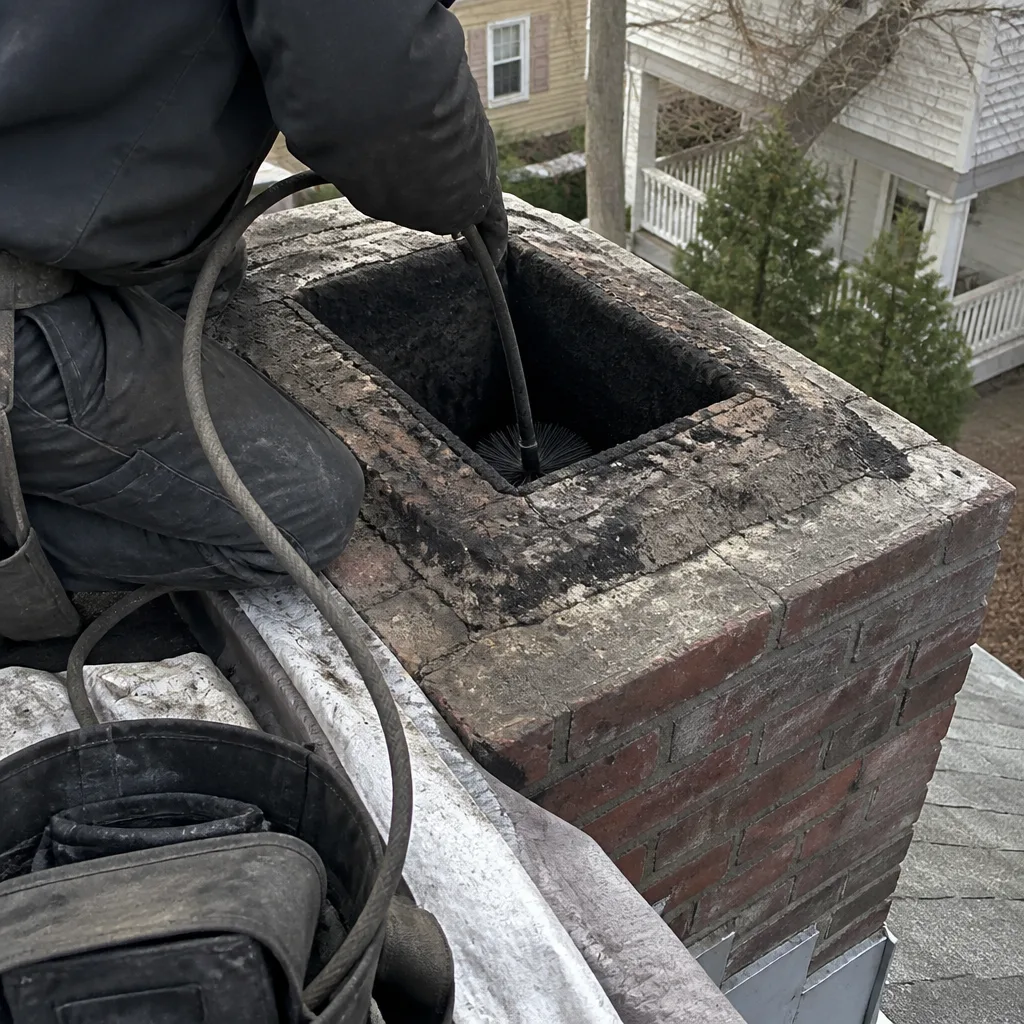 Before
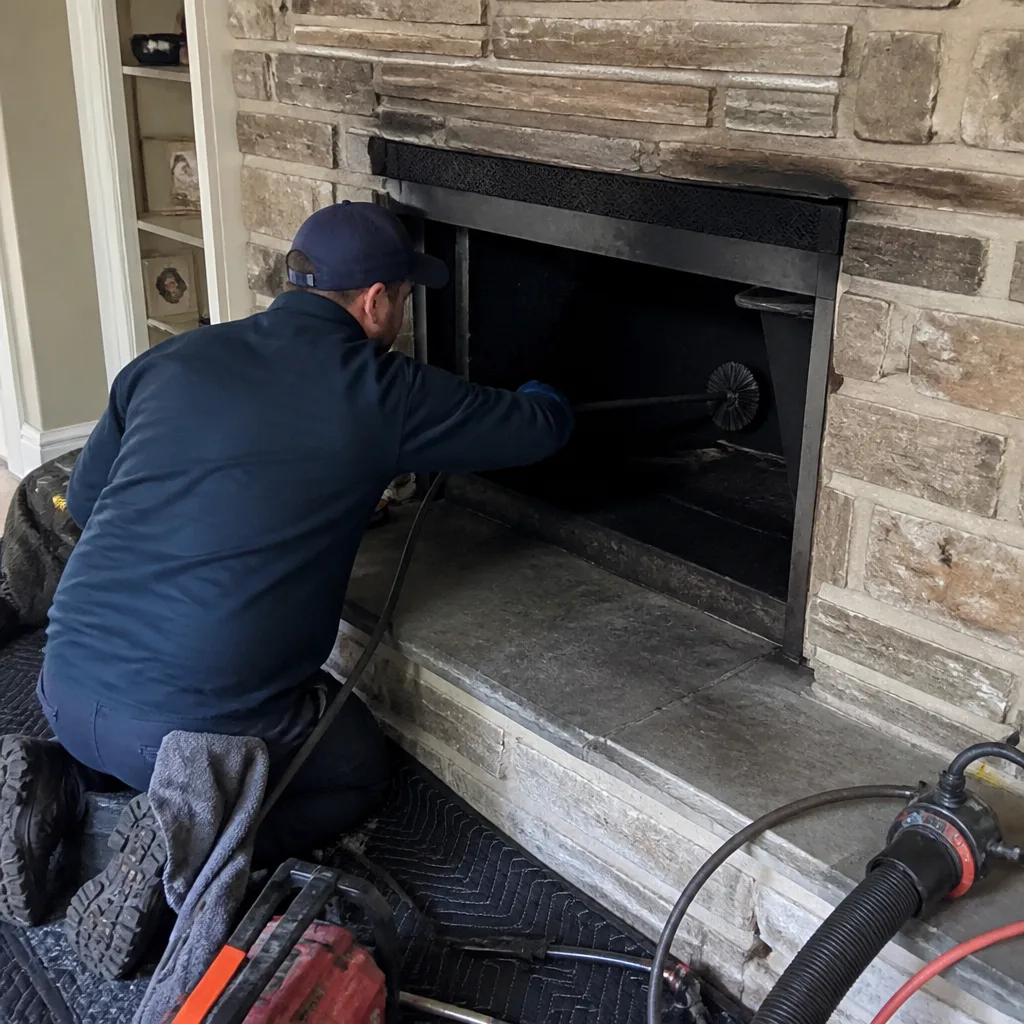 After
After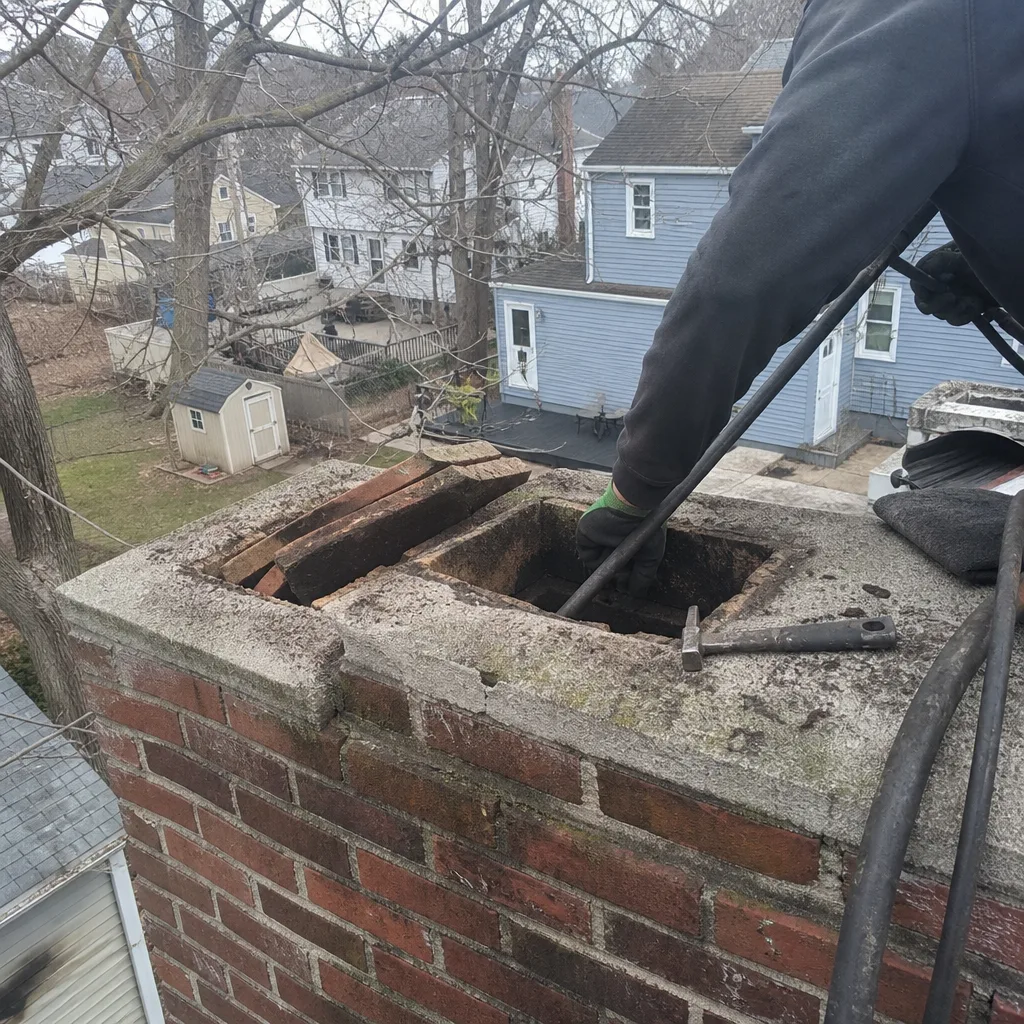 Before
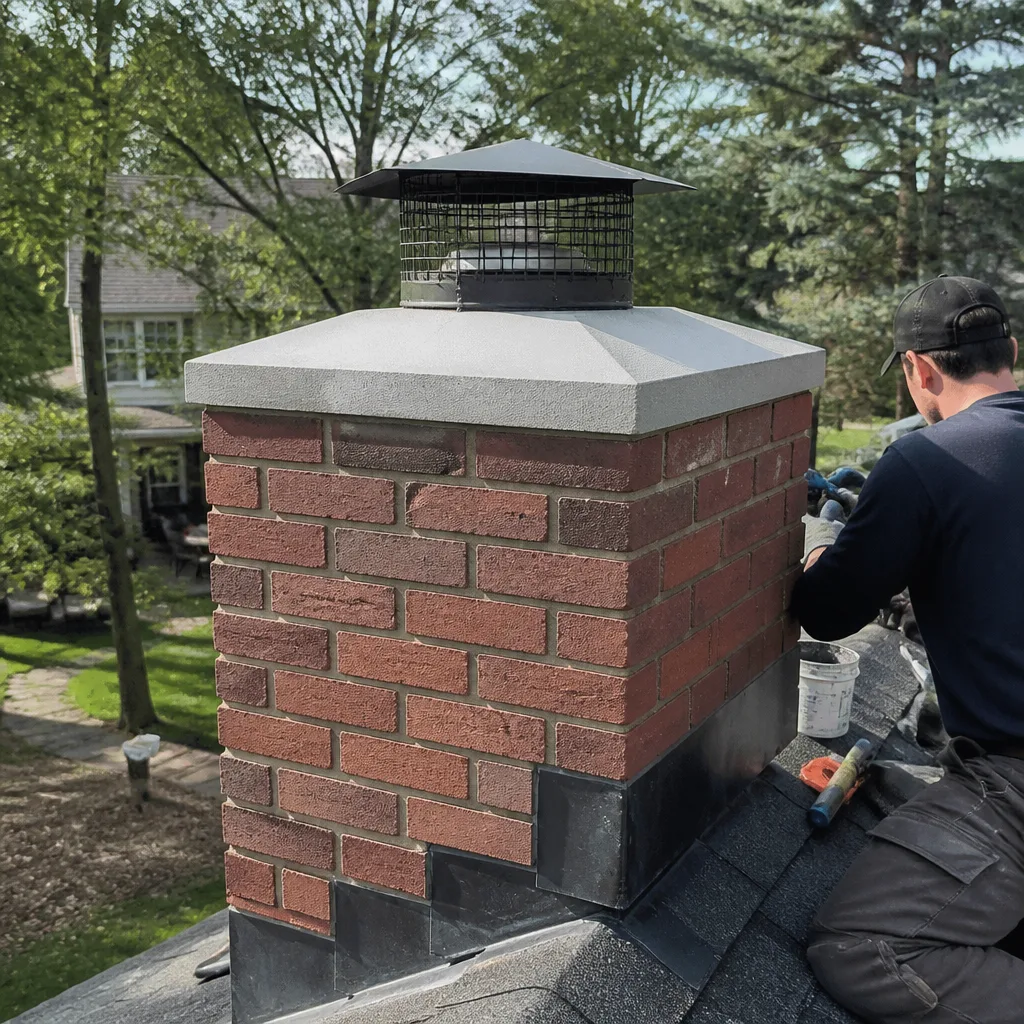 After
AfterSoot Removal in Cambridge, MA
Soot removal in Cambridge typically runs between $149 and $349, depending on how much has built up in the flue, smoke chamber, and firebox, and whether the job is standalone or part of a full sweep. Most appointments are completed the same visit, with a documented photo record included when we’re done. If you want an exact number before anyone sets foot in your house, call us at (857) 309-1908 – a written price is how every Level Two job starts, no exceptions.
Soot is the soft, powdery black residue that forms on the interior surfaces of your chimney system any time wood or fuel combusts incompletely. It’s different from creosote – creosote is the oily, often hard deposit that accumulates at higher temperatures and is classified in three stages of severity. Soot is lighter, earlier-stage, and easier to remove, but it’s still corrosive to masonry over time, it reduces draft, and it’s one of the first signs your chimney needs attention. Left alone through a Cambridge winter, a soot-coated flue liner starts trapping moisture and acidic residue in ways that quietly shorten the life of the liner and the surrounding masonry.
Our full Chimney Cleaning & Sweep in Cambridge service covers soot removal as part of every cleaning visit. If you’re coming to this page because you specifically noticed a soot problem – odor, visible buildup, discoloration around the damper – this is exactly the right place to start.
When You Need Soot Removal
- You smell something acrid when the fireplace isn’t in use. Soot absorbs moisture from the air. In Cambridge’s humid shoulder seasons – think April and October when old triple-deckers and brick colonials trap damp air – that moisture activates the acids in soot deposits and pushes a sharp, stale smell back into the living space. It’s not a draft problem. It’s a cleaning problem.
- You see black staining on the firebox walls or above the damper plate. A thin, uniform layer of gray-black powder is normal after a season of use. Thick, uneven black buildup – especially if it’s starting to look shiny or tar-like in spots – means the deposit has moved beyond basic soot and needs evaluation alongside cleaning.
- You haven’t had the chimney cleaned in more than 12 months and used the fireplace regularly last winter. The Chimney Safety Institute of America recommends an annual inspection and cleaning for any chimney in active use. Cambridge’s older housing stock – a lot of it built between 1890 and 1950 – often has original clay tile liners that soot and creosote affect faster than modern stainless systems.
- A home inspector flagged soot accumulation during a purchase inspection. This is common in Cambridge’s competitive buying market. The note is worth taking seriously: a camera-scan inspection will tell you exactly what class of deposit you’re dealing with and what it will cost to address it before you move in.
- The fireplace smokes into the room on startup. Soot buildup on the smoke shelf and inside the smoke chamber narrows the effective throat of the chimney and disrupts the air column. The fireplace isn’t broken – it’s blocked.
- You’re preparing the property for sale or rental. A clean, documented chimney is a line item on inspection reports, and in Cambridge’s real estate market, having a written scope and photo record from a professional sweep can speed up negotiations. We’ve seen this come up often in the Cambridgeport and Mid-Cambridge neighborhoods where older multi-units are being converted or sold.
Our Soot Removal Process
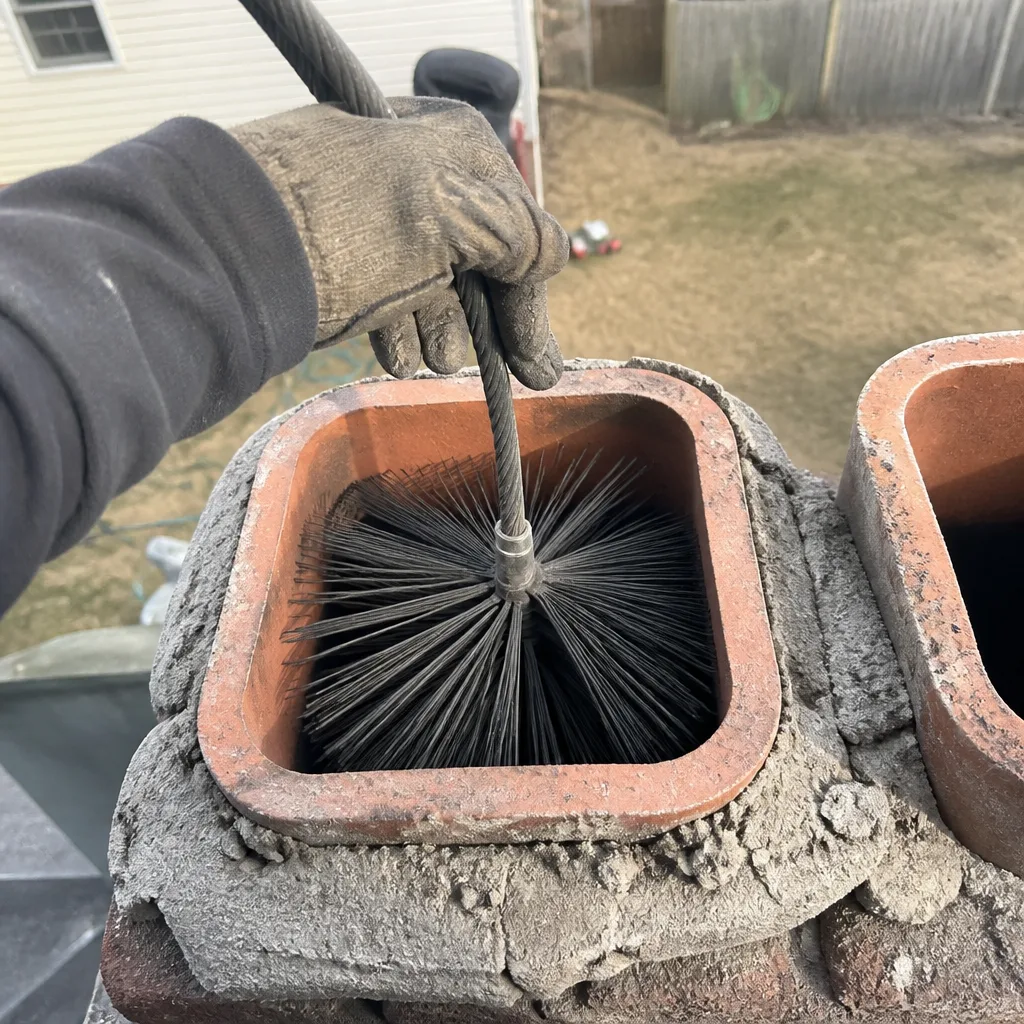
- Written price and scope before we start. Under Haven Standard Clause 1, you receive a written price, a written scope of work, and a written warranty before any work begins. This isn’t a verbal estimate – it’s a document. If you’ve gotten a written estimate from another company, bring it. Our Free Second Opinion offer is always available, no charge.
- Camera-scan inspection of the flue (NFPA 211 Level 2). Before we touch the chimney, the camera goes down. We’re looking at the liner condition, the smoke chamber geometry, the damper plate, and the firebox. This tells us what we’re actually dealing with – whether it’s light soot, heavier Class I creosote beginning to form, or something that needs a different conversation. The inspection footage becomes part of your documented record under Haven Standard Clause 4.
- Protection of the room and hearth area. Our technicians – background-checked, uniformed, and assigned by name before they arrive – put down drop cloths and seal the firebox opening before any brushing begins. Soot is fine-particulate; it travels. The preparation step is not optional.
- Systematic brush-and-vacuum removal from cap to firebox. We work top-down: chimney cap area, flue liner, smoke chamber, smoke shelf, damper assembly, and firebox walls. We use Copperfield brushes sized to the specific flue dimensions – a round 8-inch liner gets a different brush than a 13×13 clay tile system. High-efficiency HEPA-rated vacuums run continuously to capture what the brushes dislodge.
- Secondary camera pass and condition notes. After cleaning, the camera goes back in. We compare pre- and post-cleaning footage. If the scan reveals a liner crack, a spalled tile, or a smoke chamber joint that needs attention, we write it up with photos and a repair price on the spot – written, not verbal. You get that documentation whether or not you book the repair.
- Photo record and written summary delivered before we leave. Every customer walks away with photos, camera footage notes, condition findings, and the written warranty. That’s Haven Standard Clause 4, and it’s been standard practice for us since 2009 – before most insurers or regulators started asking for it. The record belongs to you.
BeforeAfterSoot Removal Pricing in Cambridge
Soot removal in Cambridge costs $149 to $349 for most residential chimneys. Here’s what moves the number:
| Scenario | Typical Price Range |
|---|---|
| Light soot, single-flue, recent prior cleaning | $149 – $199 |
| Moderate soot buildup, standard residential flue | $199 – $269 |
| Heavy soot plus early creosote, full smoke chamber cleaning required | $269 – $349 |
| Camera-scan inspection included (NFPA 211 Level 2) | Included on every visit |
| Documented photo record included | Included on every visit |
A few factors specific to Cambridge jobs affect where your number lands. First, flue size: a lot of Cambridge’s older Victorian and Federal-style homes have fireplaces that were converted from coal or wood to gas and then back again over the decades, leaving non-standard flue dimensions that require more setup time. Second, access: some Cambridge row houses and attached brick buildings have roof pitches and access restrictions that add time to the top-of-chimney work. Third, the condition of the smoke chamber: if the chamber hasn’t been cleaned in several seasons, the corbeled brick joints above the firebox hold a significant amount of compacted soot that takes longer to clear than liner deposits.
What doesn’t change: you get the price in writing before anyone picks up a brush. If the camera finds something unexpected mid-job, we stop, show you what we found, write up the cost to address it, and let you decide. No one adds charges after the fact.
Call (857) 309-1908 to get a written estimate. Estimates are free, and we don’t count it as a sales call.
What Sets Level Two Apart on a Job Like This
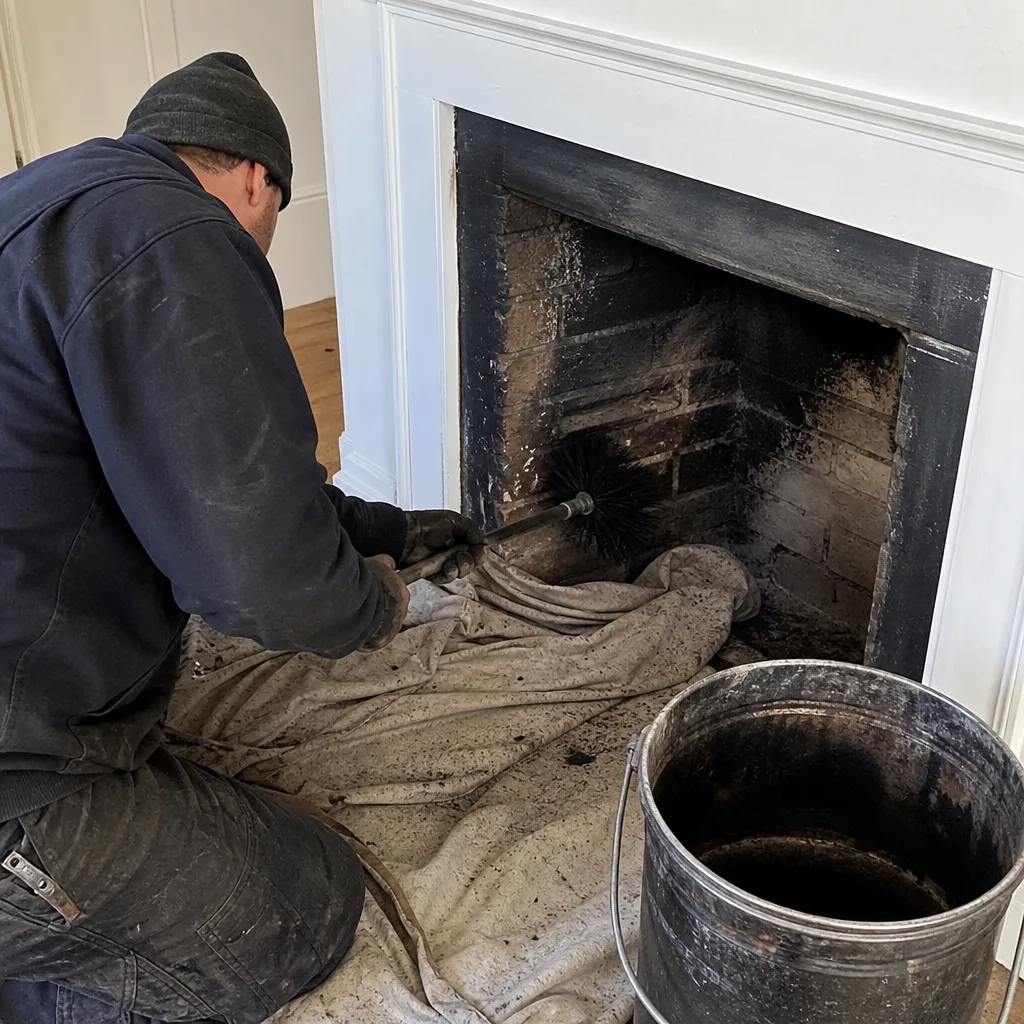
Soot removal sounds simple – and in many cases it is. But the difference between a company that does it well and one that doesn’t usually shows up in the camera pass, not the brushing. We’ve completed more than 38,000 chimney inspections and cleanings since 2009, and a recurring pattern in Cambridge is this: a homeowner calls because they noticed soot smell or a little visible blackening, we run the camera, and the real finding is a cracked clay tile section at the smoke chamber transition that’s been leaking combustion gases into the surrounding masonry. The soot smell was the signal; the liner damage was the actual problem.
That’s why the camera is not an upsell here. It’s the job. Without it, you’re paying someone to clean a surface without knowing what the surface is connected to.
Materials we use for any repair work identified during a soot removal visit come through Haven’s buying network – DuraFlex and HeatShield for liner relining and smoke chamber resurfacing specifically. That procurement arrangement keeps material costs lower than what you’d pay if a company sourced locally at retail. The savings pass through to the written quote.
Our 365-Day Done Right Promise covers every job: if the work isn’t right, we make it right. That’s written into the warranty you receive before we start. It’s not a marketing phrase – it’s a clause.
Cambridge-Specific Notes on Soot Accumulation
Cambridge’s climate does specific things to chimneys that are worth naming plainly. The city sits in a humid maritime climate with significant freeze-thaw cycling from November through March. A soot-coated flue liner holds moisture against the clay or stainless surface; when temperatures drop at night, that moisture expands. Over several winters, this accelerates spalling – the flaking of clay tile surfaces – and widens existing hairline cracks in older liners.
The neighborhoods with the highest concentration of original clay tile flues we see are North Cambridge, Cambridgeport, and the streets between Harvard Square and Central Square where housing stock dates to the 1890s-1920s. If your house falls in that range, an annual cleaning isn’t just standard advice – it’s structurally relevant maintenance on masonry that’s already over a century old.
We also see a specific problem in Cambridge’s taller attached row houses near Inman Square and East Cambridge: inadequate draft caused by neighboring building height and prevailing wind patterns off the Charles. When draft is poor, combustion products linger longer in the flue before exhausting, depositing more soot per fire than a house in an open suburban lot would. If you’re burning the same wood in the same stove as a neighbor but cleaning twice as often, the building geometry is usually why.
FAQs – Soot Removal in Cambridge
How is soot different from creosote, and does it matter which one I have?
Soot is the loose, dry, powdery black deposit from incomplete combustion – it brushes out relatively easily. Creosote is a byproduct of cooler, slower-burning fires where combustion gases condense on the flue walls; it progresses from a flaky, dry layer (Class I) to a tar-like coating (Class II) to a hard, glazed crust (Class III). It matters because Class II and III creosote require different chemical or mechanical treatments beyond standard brushing, and Class III specifically is the fire hazard that makes chimney fires severe. The camera pass at the start of every Level Two visit identifies which you have before we price the work. If you’re not sure what you’re looking at, call us at (857) 309-1908 and we’ll walk through it – no charge for the conversation.
Can I clean soot myself, or is this a job that needs a professional?
You can wipe down the visible firebox walls with a dry brush or fireplace-specific cleaning sponge – that’s safe and appropriate maintenance. What you can’t safely do yourself is clean the flue liner, smoke chamber, or smoke shelf without the right equipment, and more importantly, without knowing what condition those surfaces are in. A camera inspection is the part that catches structural issues before they become chimney fires or carbon monoxide exposure. We’d rather tell you that plainly than overstate the danger of cleaning. The brushing is not the risky part; missing a cracked liner is. Call (857) 309-1908 if you want a professional assessment.
How long does a soot removal appointment take in Cambridge?
Most soot removal visits run 60 to 90 minutes for a single-flue residential system. That includes the pre-cleaning camera pass, the cleaning itself, and the post-cleaning camera pass and documentation. Larger systems – two-flue chimneys, or systems where the camera finds something that warrants additional attention – can run two hours. We’ll give you a realistic time window when you book, and you’ll get a text when the technician is on the way.
How often should a Cambridge homeowner schedule soot removal?
Once per year if you use the fireplace or wood-burning insert at least a few times a month through the heating season – that’s consistent with NFPA 211 guidance. If you burn less frequently, every two years is typically adequate for light users, but we’d still recommend a camera-scan inspection annually given Cambridge’s older housing stock. The inspection is what catches problems early; the cleaning is what prevents them from compounding. For a written estimate on a visit, call (857) 309-1908.
Get a Written Estimate for Soot Removal in Cambridge
If you’re looking at soot buildup, smelling something that doesn’t belong, or just haven’t had the chimney looked at in a few seasons, the right next step in Cambridge is a camera inspection and a written price – in that order. Level Two Chimney Cambridge has been doing exactly that since 2009, across more than 38,000 chimneys in the area. Corrine Halstead and the Level Two team answer the phone around the clock, and there’s no voicemail wall between you and an actual answer.
Call (857) 309-1908 to schedule your soot removal inspection in Cambridge. You’ll have a written price, written scope, and written warranty before any work begins – that’s not a promise we make to close a sale, it’s how the company has operated since it opened. The estimate is free. The documentation is included. And if the work isn’t right, the 365-Day Done Right Promise means we come back and fix it.
Written by Corrine Halstead, Owner at Level Two Chimney Cambridge, serving Cambridge.