
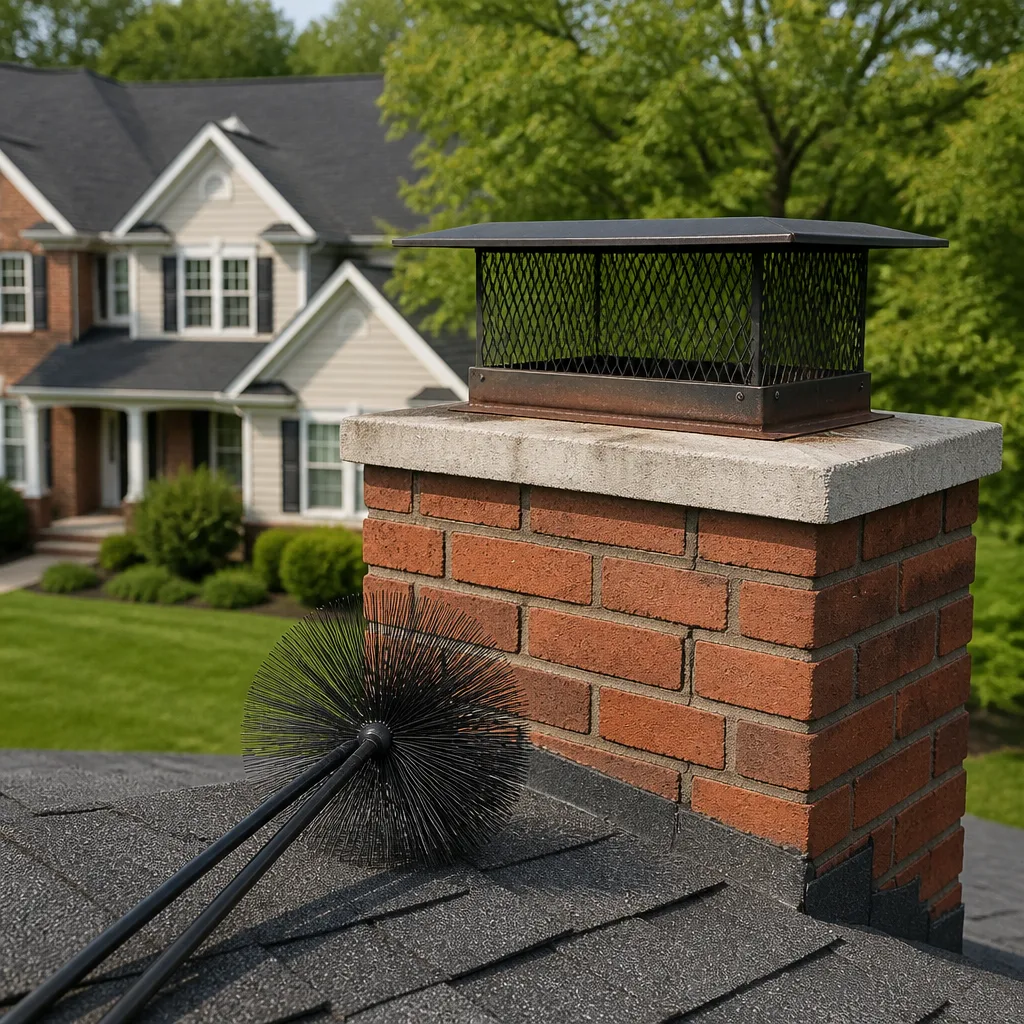
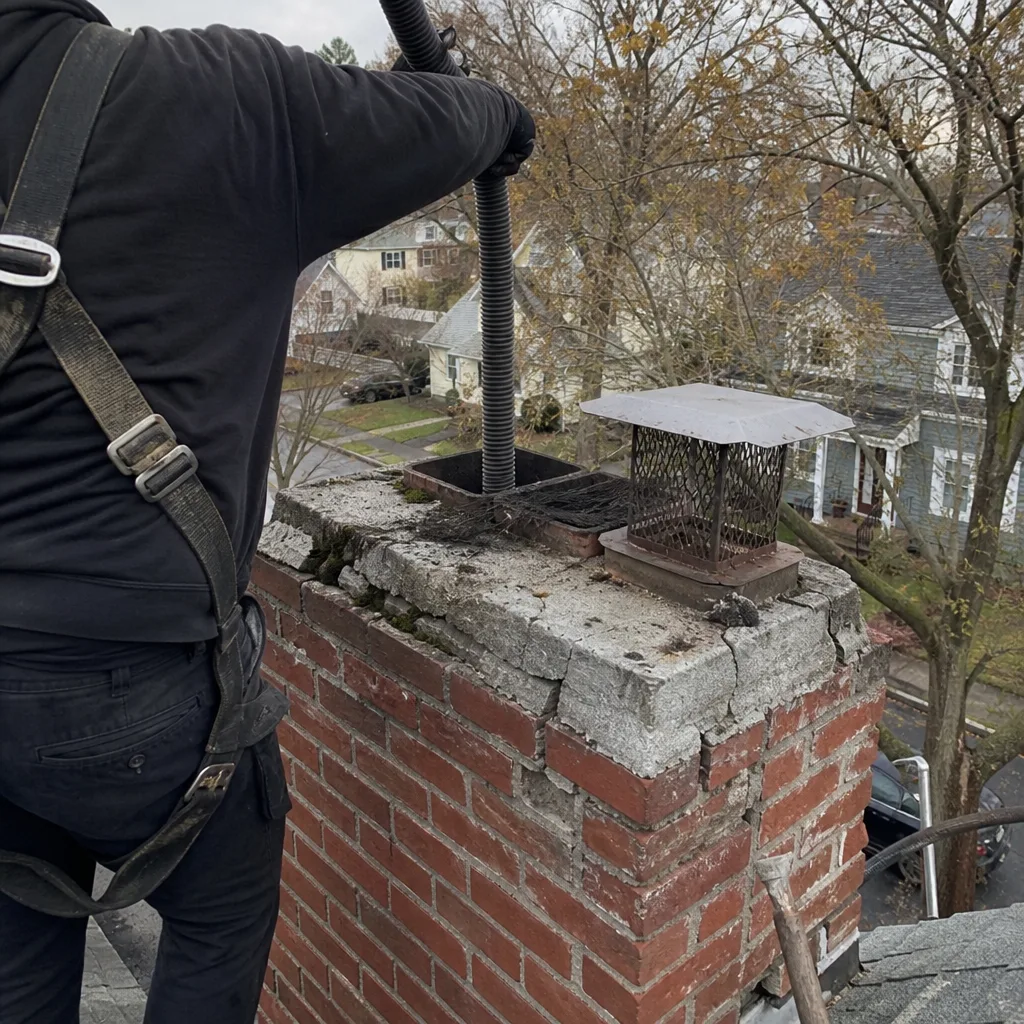
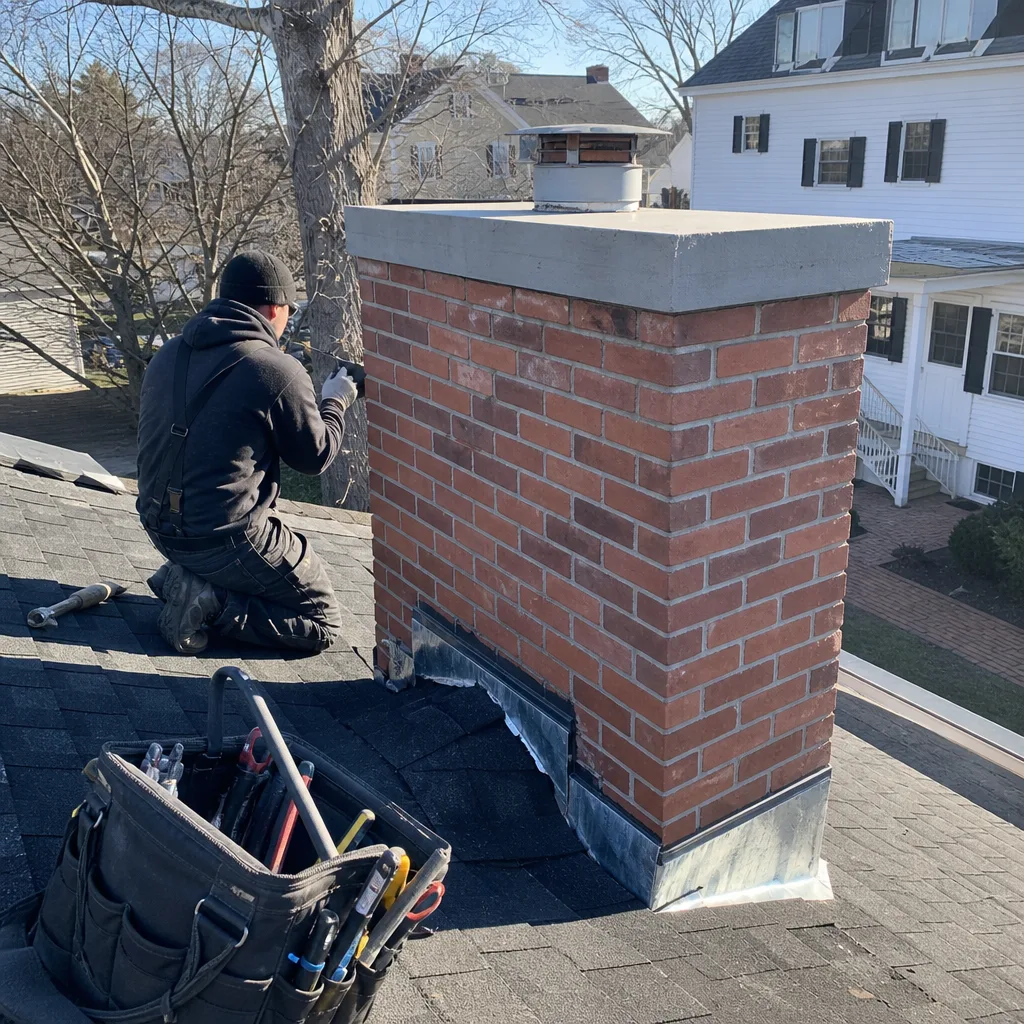
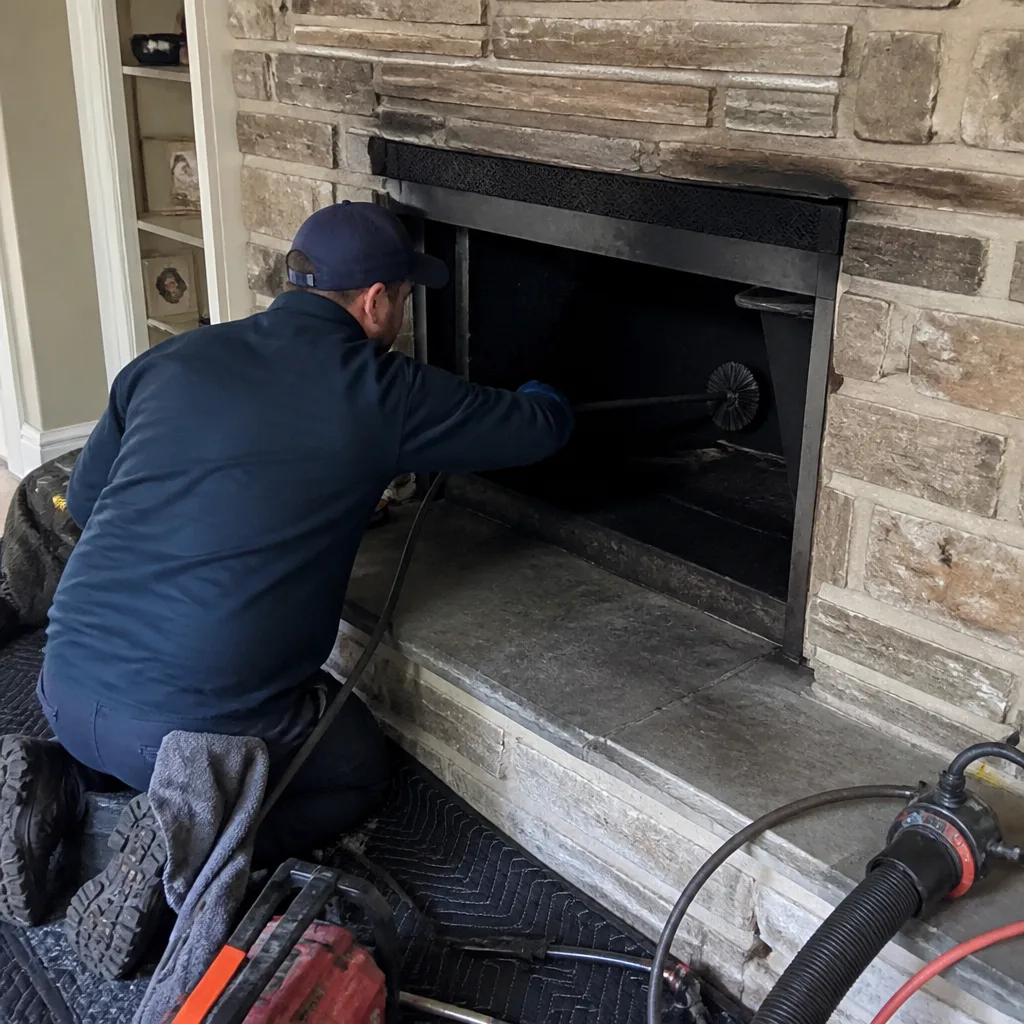
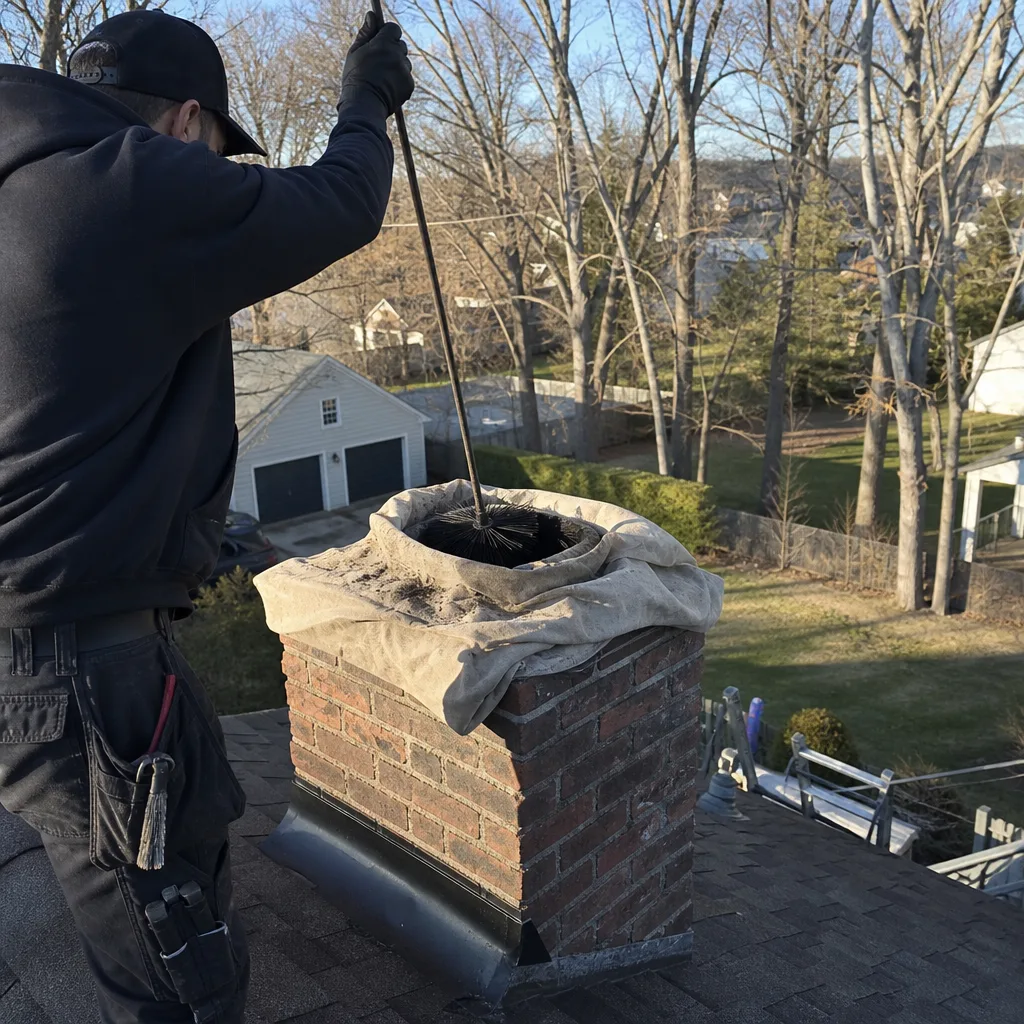
Level 1 sweep and inspection to the NFPA 211 annual standard - flue, crown, cap, and flashing checked and photographed
Chimney sweep logs do not sweep chimneys. They loosen some creosote - which then falls where a brush and vacuum still have to collect it.
Gas fireplace service
 Before
 After
After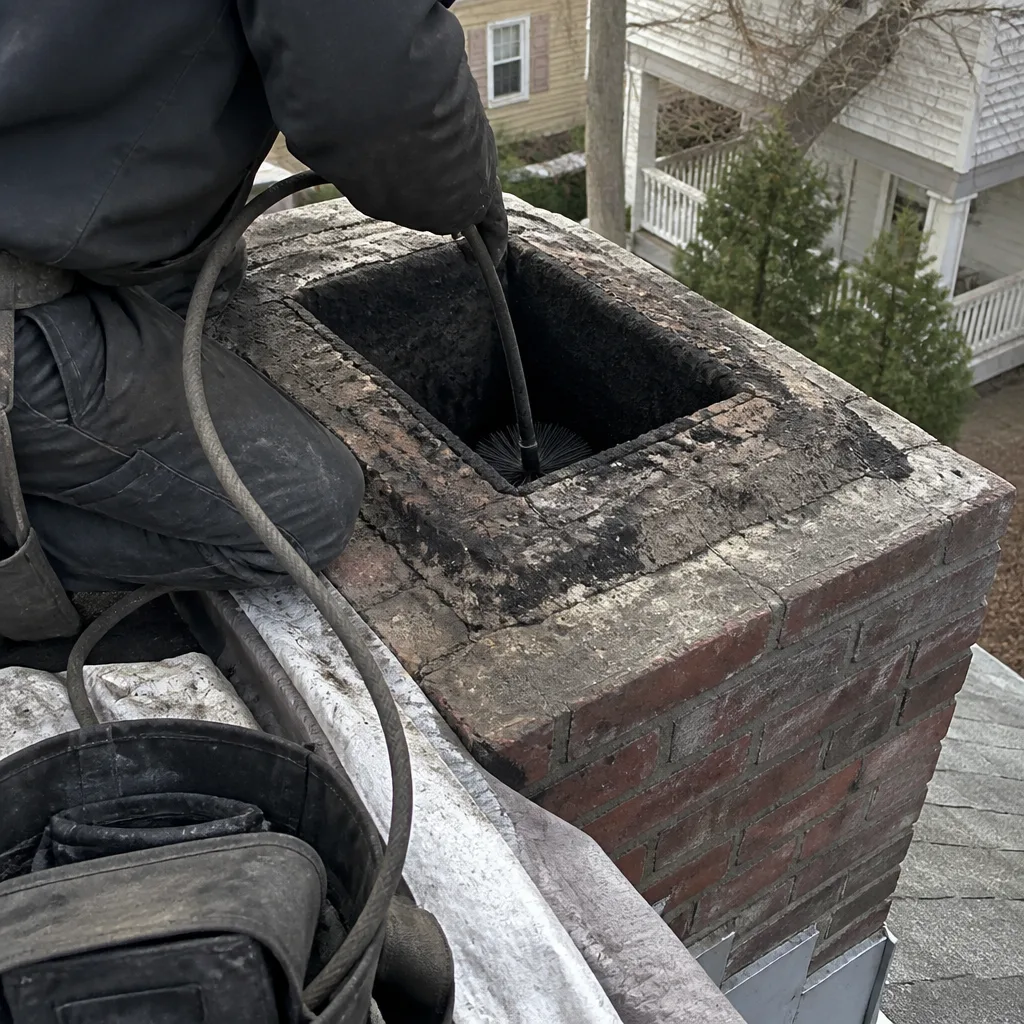 Before
 After
After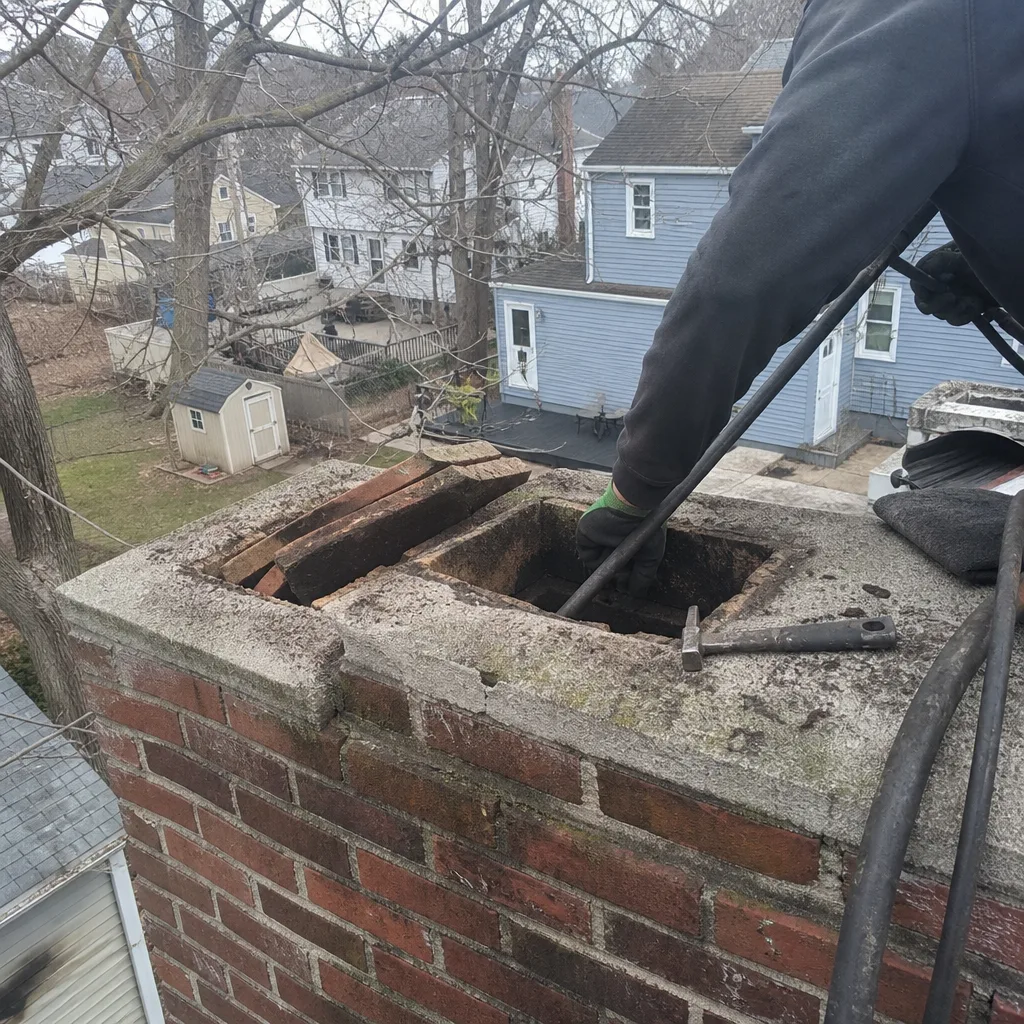 Before
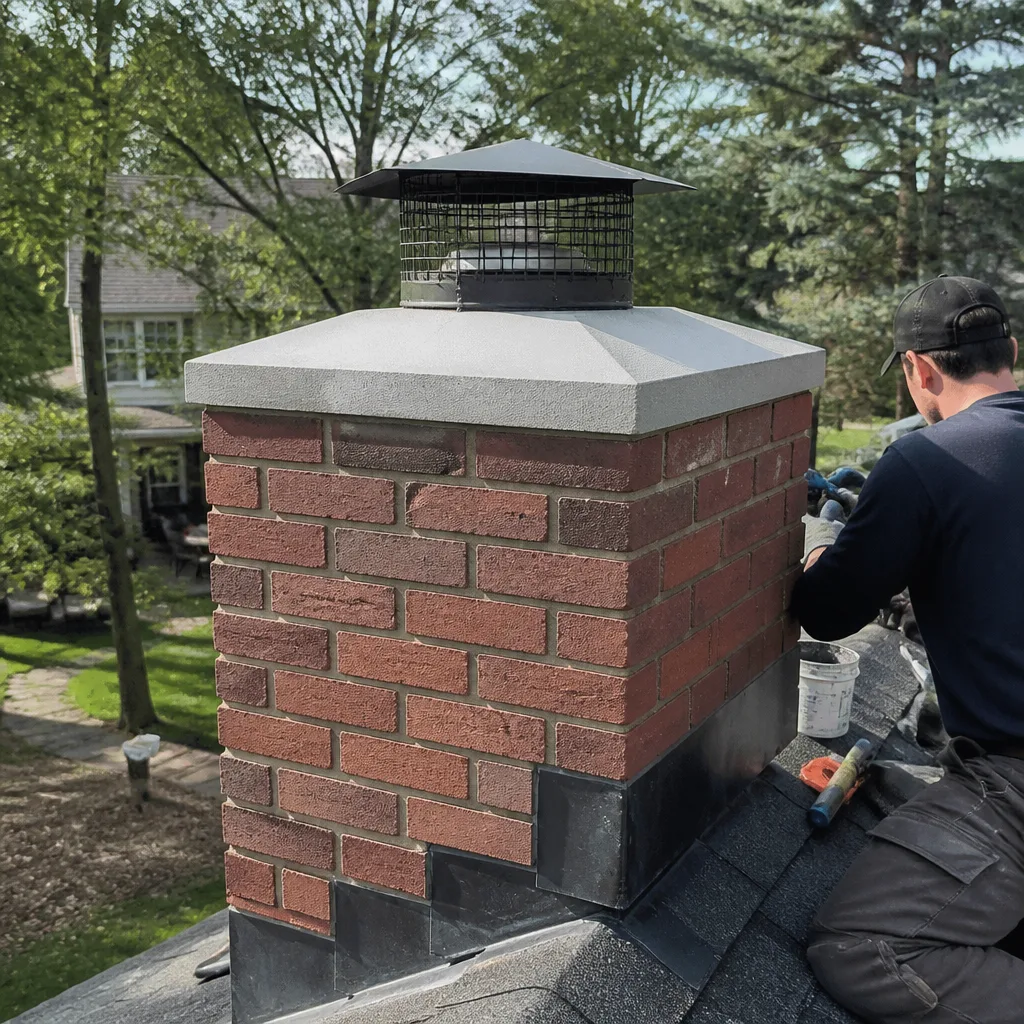 After
AfterMortar Repointing in Cambridge, MA
Mortar repointing in Cambridge typically costs between $400 and $1,800, depending on how much of the chimney stack is affected and how far the deterioration has progressed. Most jobs are completed in a single visit, and every one starts with a written price – not a rough estimate given over the phone.
If you’ve noticed crumbling joints, white streaking on your brick, or mortar you can pick out with a key, your chimney is telling you something. Repointing is the repair where a trained technician removes the degraded mortar to a specific depth – typically at least three-quarters of an inch – and packs the joints with fresh material matched to the original mix. Done correctly, it stops water from working behind the masonry. Done wrong, or skipped entirely, you’re looking at spalling brick, a failing crown, and eventually structural damage to the stack itself.
At Level Two Chimney Cambridge, we’ve been camera-scanning and documenting chimneys since 2009. Repointing is part of our Chimney Repair in Cambridge service, and it gets the same written scope, documented photo record, and 365-Day Done Right Promise as every other job we do. Corrine Halstead and the team answer the phone live, 24 hours a day – call (857) 309-1908 and you’ll reach a person, not a recording.
Why Cambridge Chimneys Need Repointing More Often Than You’d Expect
Cambridge sits in a climate that’s genuinely hard on masonry. The city averages more than 40 freeze-thaw cycles per winter, and the older brick construction throughout Cambridgeport, Mid-Cambridge, and East Cambridge was laid with softer lime mortars that were never designed to last more than 25 to 30 years without maintenance. When water gets into a hairline joint and freezes, it expands. The joint opens a little more. The next freeze opens it further. By the time the crack is visible from the street, the damage behind the face course is usually well underway.
We see this pattern constantly in the triple-deckers and rowhouses along Prospect Street and the single-family homes in Avon Hill, where original mortar from the 1920s and 1930s is still in place – or what’s left of it. Newer repointing jobs from the 1980s and 1990s are also failing now, often because a harder Portland cement mix was used over softer original brick. When the mortar is harder than the brick it holds, the brick spalls rather than the joint giving way – which is the wrong kind of failure and the more expensive one to fix.
None of this is a scare story. It’s just what the camera shows us, and what we put in writing before anyone picks up a tool.
When You Need Mortar Repointing
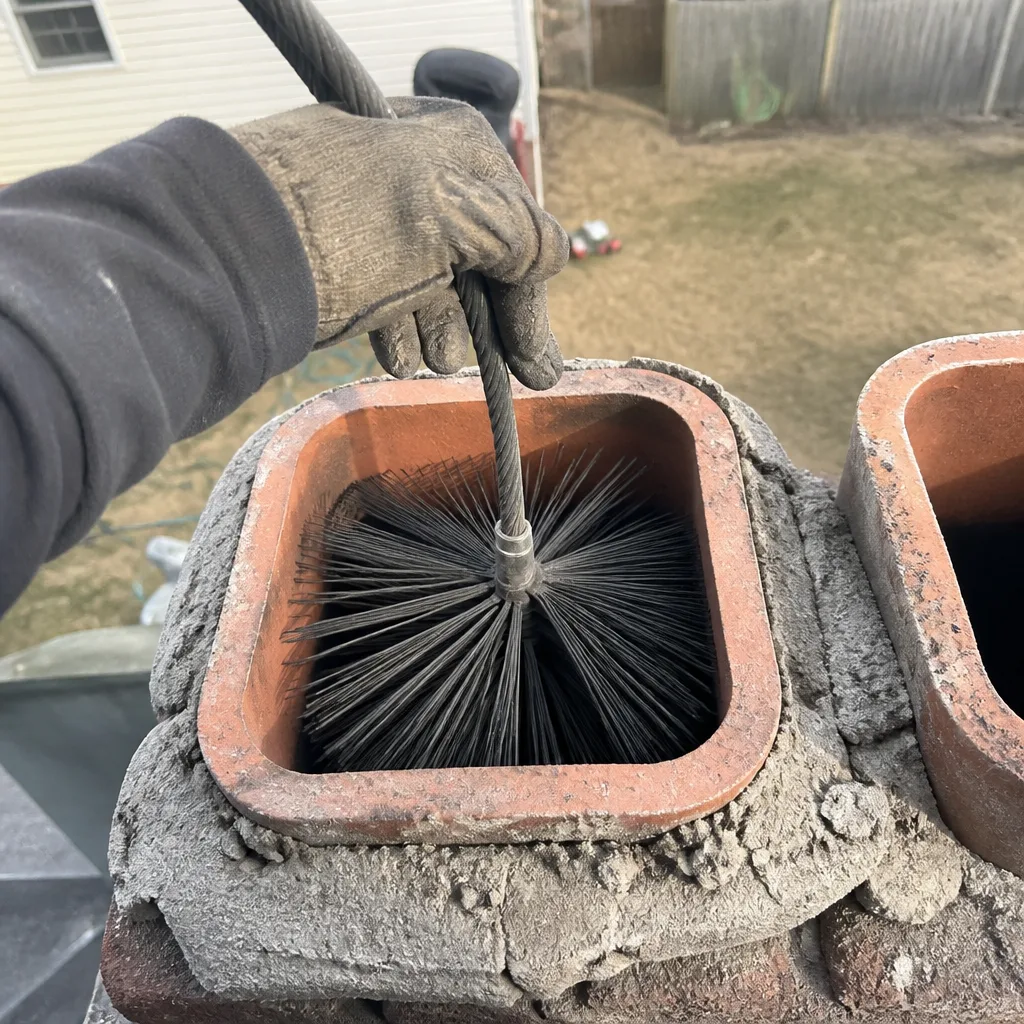
- Mortar you can compress or remove by hand. If you can press your thumb into a joint or pull out a chunk with minimal effort, the mortar has lost its structural integrity. At that stage, water is already getting in during every rain event.
- Efflorescence on the brick face. That white, chalky streaking on the exterior of your chimney is dissolved salts being carried to the surface by water moving through the masonry. It’s a reliable sign that moisture is migrating through open joints somewhere on the stack.
- Visible gaps or recession in the joints. Mortar that has pulled away from the brick faces – even a quarter-inch – creates a direct channel for water. In Cambridge winters, that’s enough to start a damaging freeze-thaw cycle within one season.
- Brick faces chipping or flaking (spalling). Once spalling starts, the underlying cause is almost always water infiltration through deteriorated mortar. Repointing stops the cycle; ignoring it accelerates the brick loss to the point where full replacement is the only fix.
- Interior water stains near the fireplace or on ceilings adjacent to the chimney chase. Water that’s traveled through open mortar joints shows up inside, often along the first- or second-floor ceiling line in Cambridge’s two- and three-story homes. The entry point is almost always the exterior stack, not the cap or the flashing – though we check both.
- A chimney inspection report noting joint recession or mortar loss. If you’ve had an NFPA 211 Level 2 inspection and the written report flags mortar deterioration at any point on the stack, that’s a direct recommendation for repointing before the next heating season.
BeforeAfterOur Mortar Repointing Process
- Camera-scan inspection and written assessment. Before any repointing begins, we run a camera down the flue and document the full condition of the stack: joint depth, mortar hardness relative to the brick, any signs of active water infiltration, and the condition of the crown and cap. You get a written scope and written price before anyone touches the chimney. This is Haven Standard Clause 1 – have it in writing.
- Mortar analysis and mix matching. Using a softer or harder mortar than the original is one of the most common and most damaging mistakes in chimney repointing. We assess the existing mortar type and formulate a replacement mix – lime-based, Portland-blended, or a hybrid – that matches the original in both composition and flexibility. For historic Cambridge masonry, this step matters a lot.
- Joint preparation to correct depth. Degraded mortar is removed to a minimum depth of three-quarters of an inch using angle grinders and hand chisels where power tools would risk the brick face. This is not a surface skim. Shallow repointing over compromised mortar fails within a few seasons and leaves the underlying problem untreated.
- Fresh mortar application in lifts. New mortar is packed into the prepared joints in layers, allowing each lift to set before the next is applied. This prevents shrinkage cracking. Joints are finished flush or with a slight concave profile to shed water away from the brick face – not a raised “V” profile, which traps water at the edges.
- Curing and surface cleanup. Fresh mortar needs controlled curing, especially in the variable spring and fall temperatures that Cambridge repointing season typically runs through. We mist and shade where needed and clean mortar residue from the brick faces before leaving the site.
- Documented photo record on completion. Every repointing job closes with a full photo record of the finished work: joint depth before and after, overall stack condition, and any related issues noted but not part of the current scope. This is Haven Standard Clause 4, and it’s been our default since 2009 – not an optional add-on.
Mortar Repointing Pricing in Cambridge
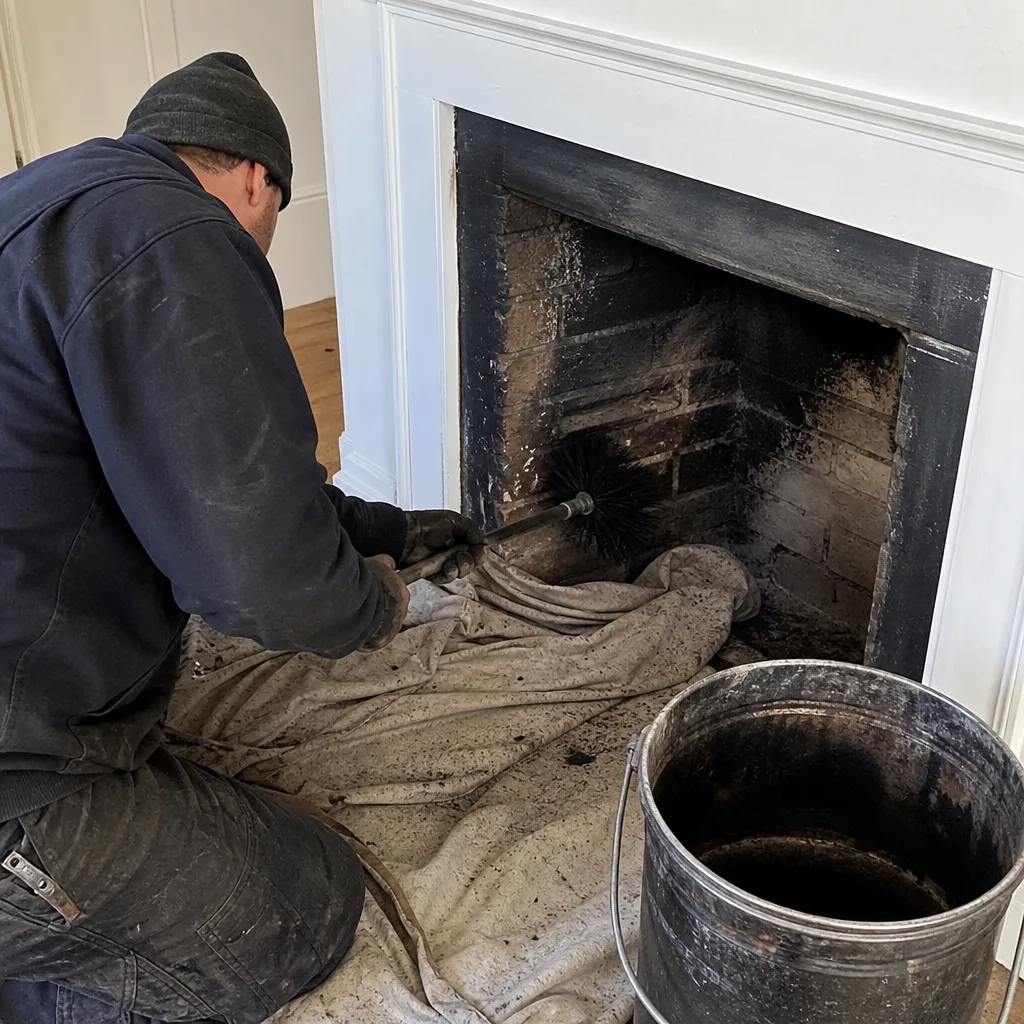
How Much Does Chimney Repair Cost? (2026 Price Guide) - Cambridge, MA: repointing in Cambridge runs between $400 and $1,800 for most residential chimneys. That range is wide because the factors that drive cost are real: how much of the stack is affected, how high the chimney is, whether scaffolding is required, and how deteriorated the joints are when work begins.
| Scope of Work | Typical Price Range |
|---|---|
| Single-side repointing (minor deterioration, accessible) | $400 – $650 |
| Full stack repointing, standard two-story chimney | $700 – $1,100 |
| Full stack repointing with crown repair included | $900 – $1,400 |
| Tall or hard-to-access chimney requiring scaffolding | $1,200 – $1,800 |
A few things that move the number up: chimneys on three-story Cambridge rowhouses often require scaffolding where a standard two-story job can be done from the roof line. If brick spalling has already started, we may need to flag face replacement alongside the repointing rather than repointing alone, which is why we also offer our Chimney Repair services. And if the crown needs work at the same time – which it often does when the joints are gone – we can combine both repairs in a single visit to keep labor costs down.
Every price we give you is written before work starts. That’s not a marketing claim – it’s Haven Standard Clause 1, and it’s how we’ve operated on all 38,000-plus chimneys we’ve worked on since 2009. If you have a written estimate from another contractor, bring it to us. We offer a free second opinion on any written quote.
Call (857) 309-1908 to schedule a camera-scan inspection and get a written price for your Cambridge chimney. Estimates are free, and you’ll have the number before anyone starts work.
FAQs – Mortar Repointing
How do I know if my Cambridge chimney needs repointing or a full rebuild?
Repointing is the right repair when the mortar joints have deteriorated but the brick units themselves are still structurally sound. If the bricks are spalling badly, shifting, or the stack is visibly out of plumb, you’re likely looking at a partial or full rebuild rather than repointing alone. The cleanest way to know is a camera-scan inspection with a written assessment – that’s exactly what we do before quoting any job. Call (857) 309-1908 for a free inspection and written price.
Can repointing be done in winter in Cambridge?
Mortar repointing generally should not be done when temperatures are below 40 degrees Fahrenheit or when freezing conditions are expected within 24 hours of application. In Cambridge, that means most repointing work runs from April through October, with the spring and early fall shoulder seasons being ideal. We schedule accordingly and won’t push a job into conditions that will cause the new mortar to fail. If your chimney is actively deteriorating in winter, we’ll document the condition and schedule the repair for the right window.
How long does repointing last?
A properly executed repointing job on a Cambridge chimney, using a mortar mix matched to the original masonry, should last 20 to 30 years. The range depends on the chimney’s exposure, the cap and crown condition, and whether the flashing is keeping water out at the roofline. We back every repointing job with the 365-Day Done Right Promise: if something we did isn’t right within the first year, we make it right at no charge. That’s documented in writing on every job under the Haven Standard.
Is mortar repointing something I can do myself?
The visible surface work is something a careful homeowner can do on an accessible section of a low chimney – but there are real risks. Using the wrong mortar hardness is the most common mistake, and it causes the brick face to spall within a few seasons rather than the joint giving way. On a Cambridge chimney with original soft brick, a Portland cement mix that’s too hard will do more damage than leaving the joint alone. The height and access issues on most Cambridge rowhouses and triple-deckers also put roof-level work beyond what’s safe without proper fall protection. For anything above the first-story roofline, we’d recommend a professional assessment first. Call us and we’ll give you an honest read on what the job actually involves.
Key Takeaways
- Mortar repointing in Cambridge runs $400 to $1,800 for most residential chimneys, depending on stack height, scope, and access.
- Cambridge’s freeze-thaw cycle – 40-plus cycles per winter on average – is the primary driver of mortar joint failure in the city’s older brick construction.
- Correct mortar mix matching is the step most contractors skip. Using a mix that’s harder than the original brick causes spalling, which is the more expensive failure.
- Every repointing job at Level Two Chimney Cambridge includes a written price before work starts, a documented photo record on completion, and the 365-Day Done Right Promise.
- Repointing is part of our broader Chimney Repair in Cambridge service and can often be combined with crown repair or cap work in a single visit.
- A free second opinion is available on any written estimate from another contractor – bring us the paperwork.
Schedule Your Repointing Assessment
If your Cambridge chimney is showing any of the signs above – or if you’ve got a written inspection report sitting on the counter that you haven’t acted on yet – call (857) 309-1908. You’ll reach a live person. Corrine Halstead and the team at Level Two Chimney Cambridge will schedule a camera-scan inspection, put the findings in writing, and give you a fixed price before any work begins. No surprises after the tech is already on your roof. That’s the way we’ve worked since 2009, and it’s not changing. You can also learn more about everything we do by visiting our home page.
Written by Corrine Halstead, Owner at Level Two Chimney Cambridge, serving Cambridge.