
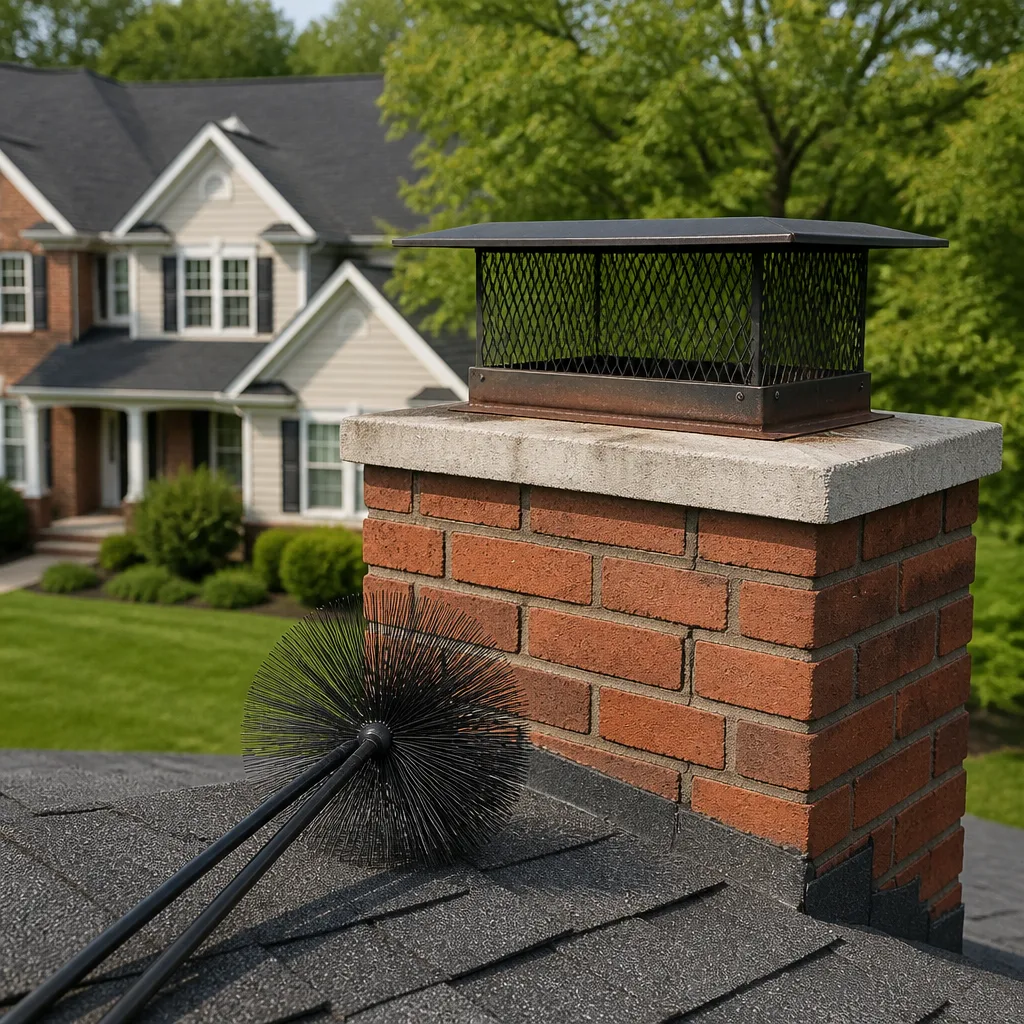
Level 1 sweep and inspection to the NFPA 211 annual standard - flue, crown, cap, and flashing checked and photographed
Chimney sweep logs do not sweep chimneys. They loosen some creosote - which then falls where a brush and vacuum still have to collect it.
Gas fireplace service
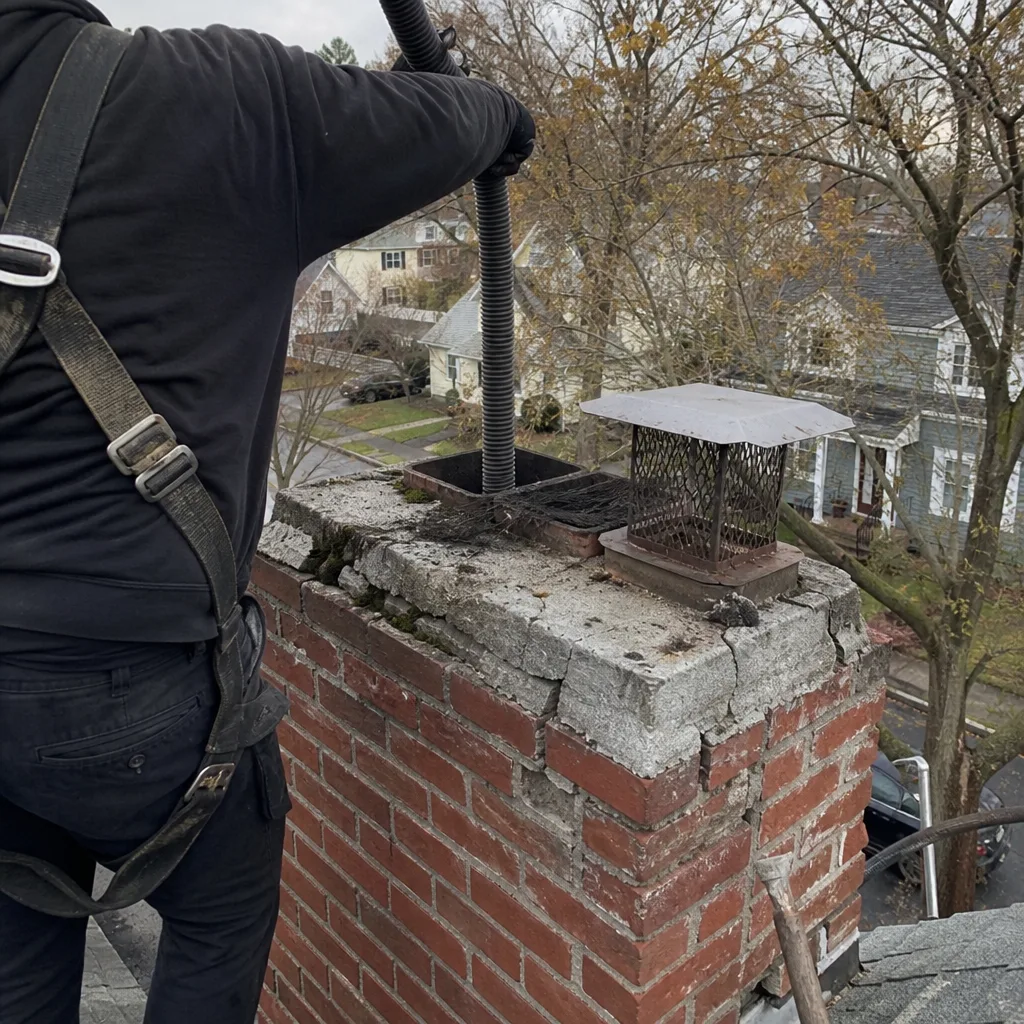 Before
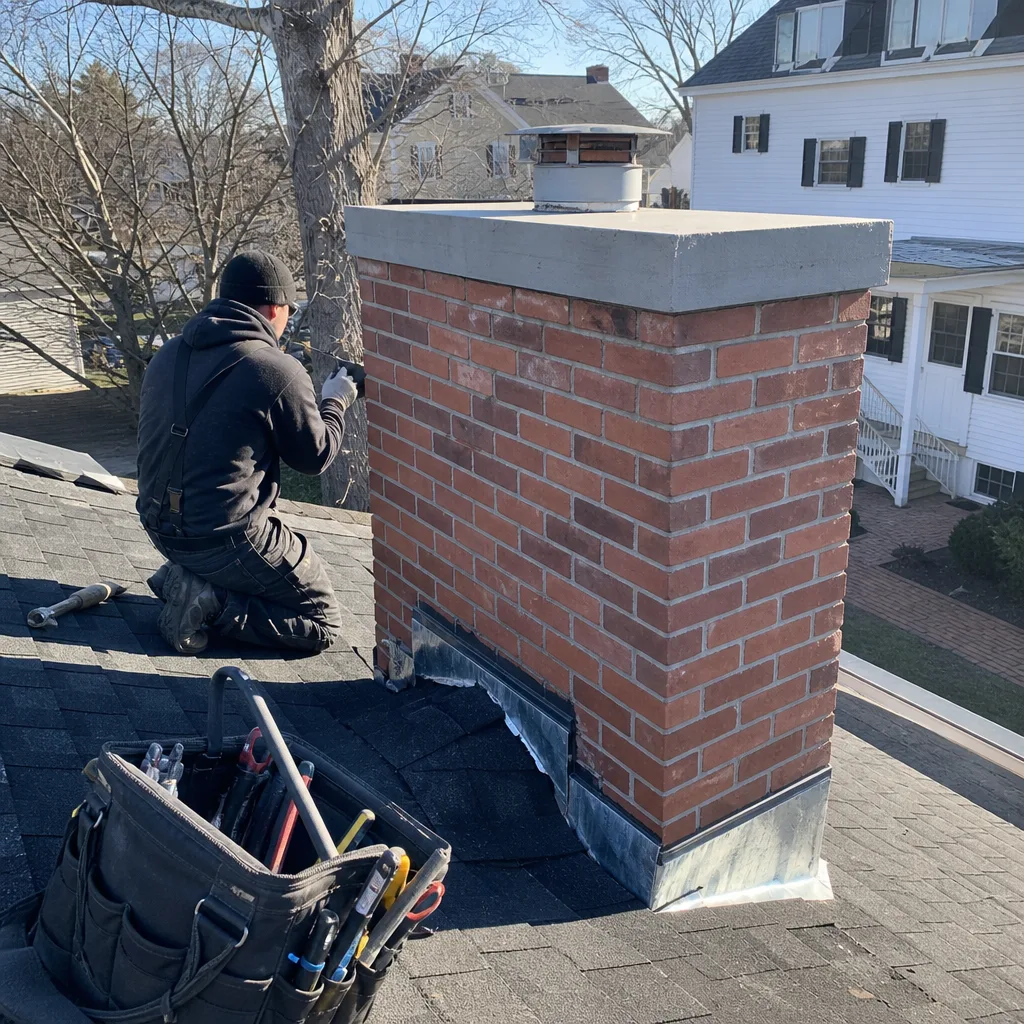 After
After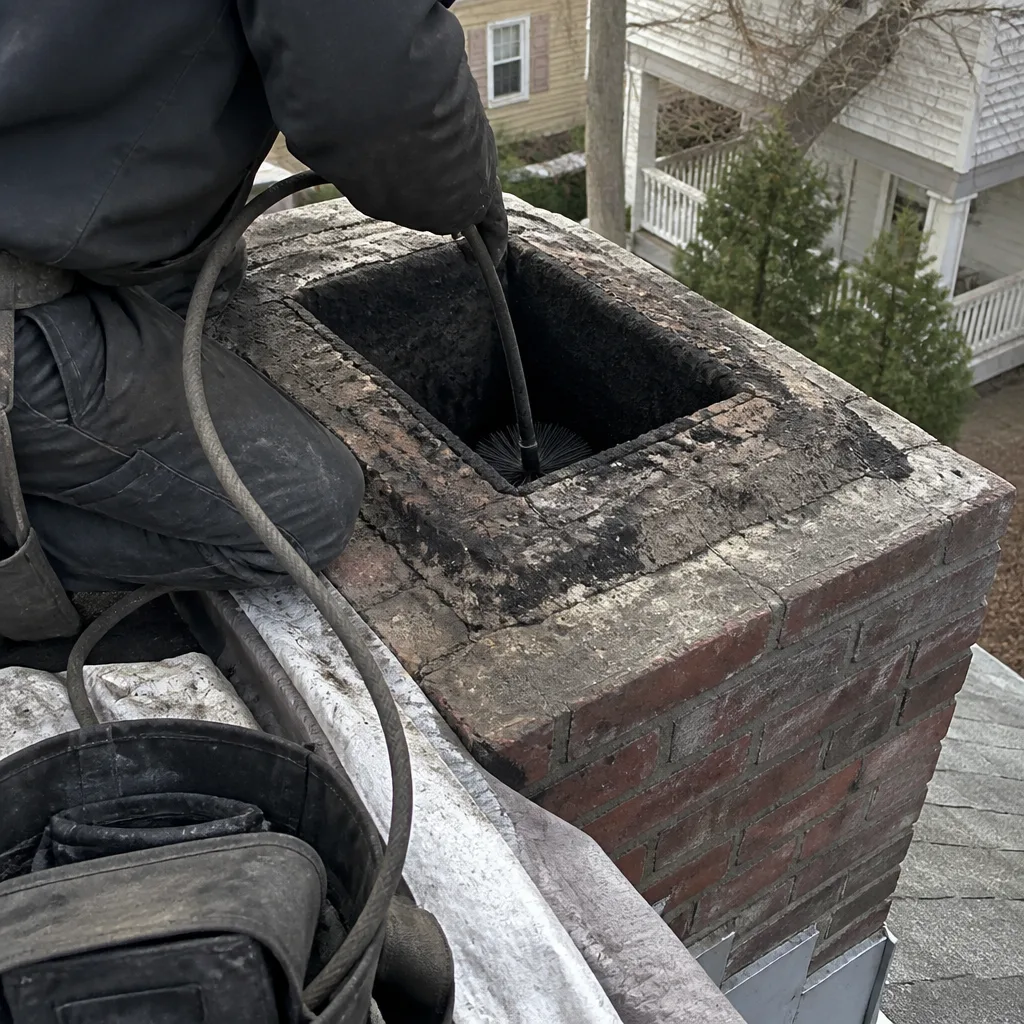 Before
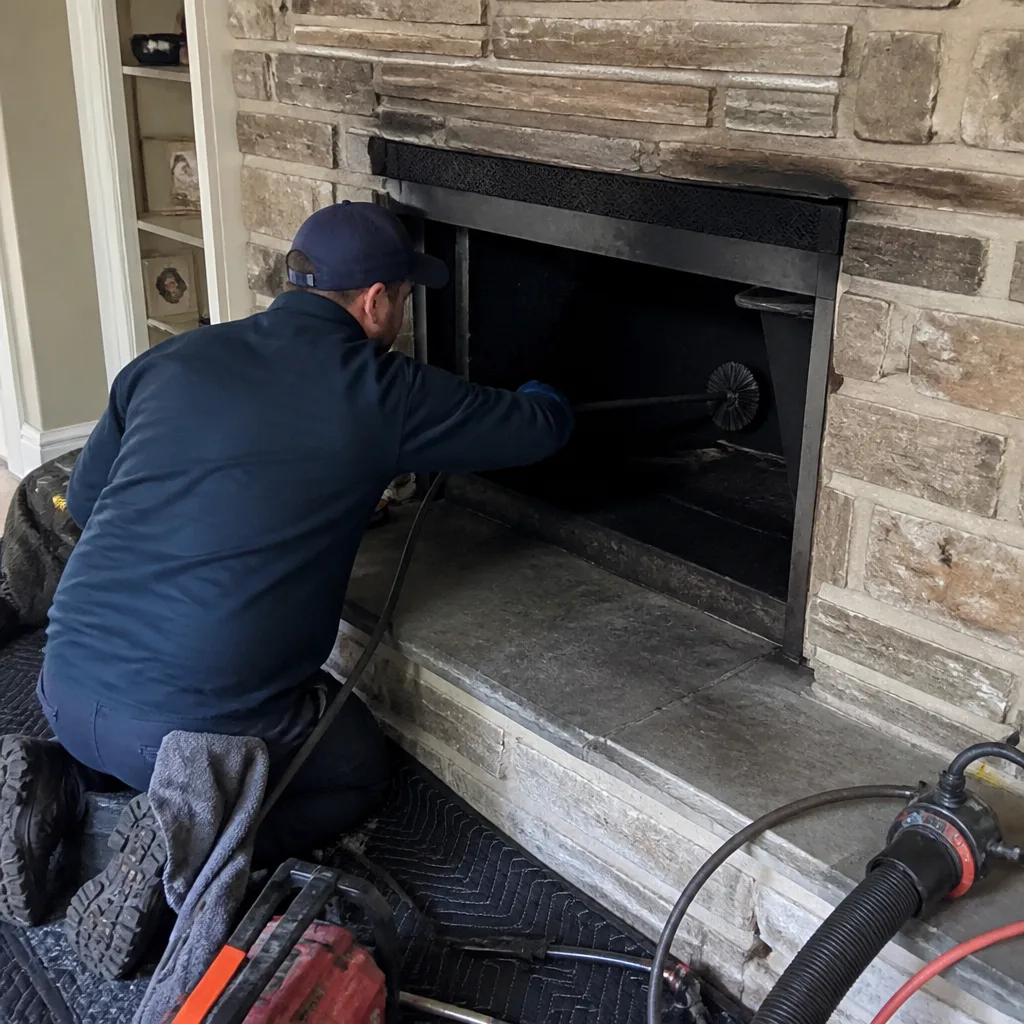 After
After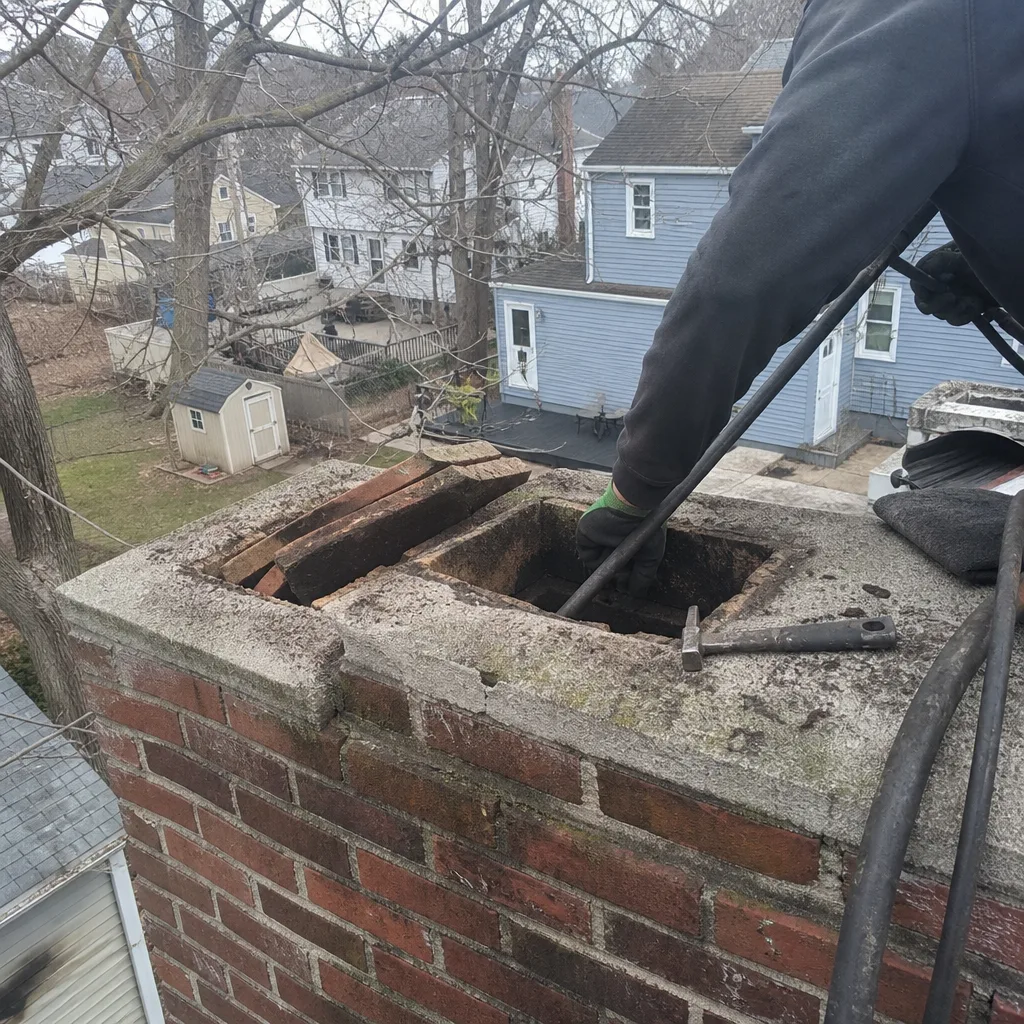 Before
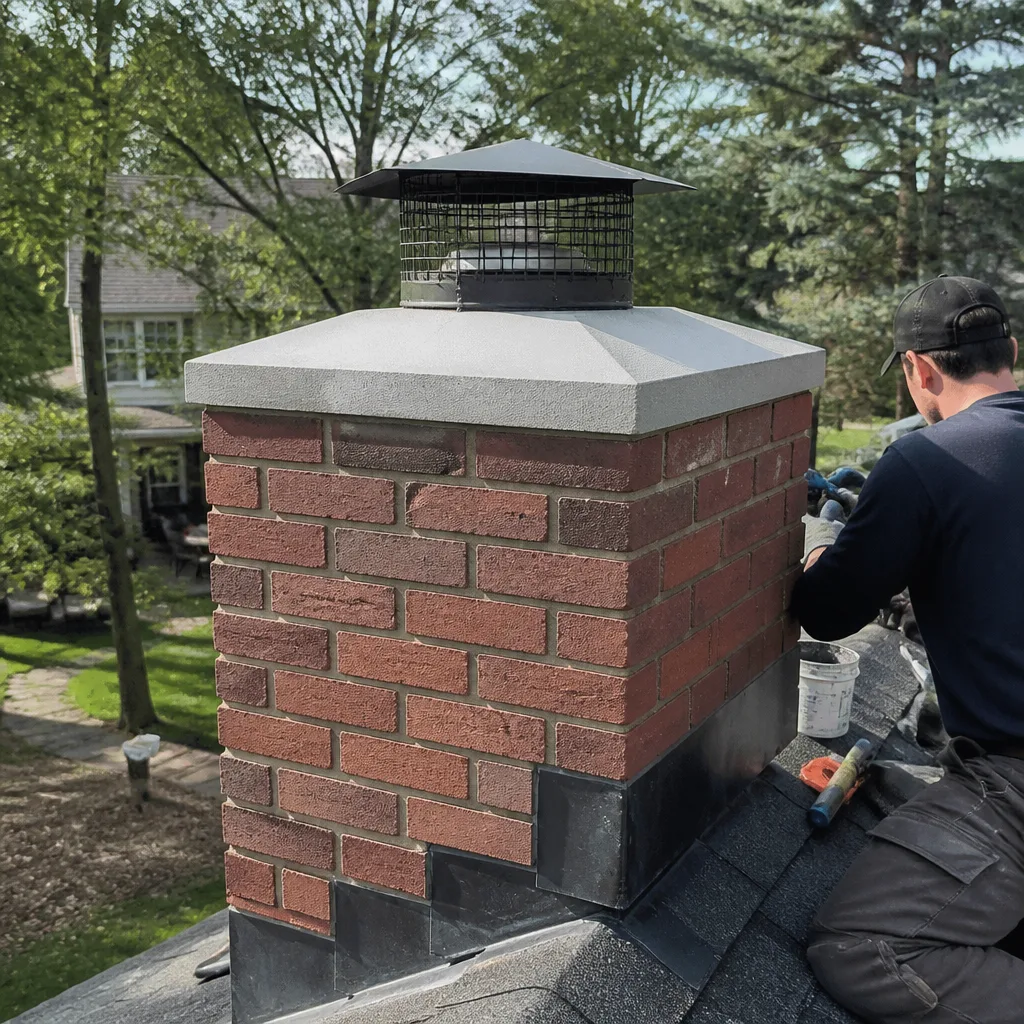 After
AfterCreosote Removal in Cambridge, MA
Creosote removal in Cambridge, MA typically costs between $180 and $650, depending on which of the three creosote classifications we find in your flue and how much accumulation has built up. Most Chimney Cleaning & Sweep services covering light-to-moderate Class I or Class II deposits are completed in a single visit. Class III glazed creosote – the dense, tar-like stage – takes a second treatment with a chemical rotary or specialized removal product, and we’ll tell you that upfront in writing before any work starts.
Cambridge chimneys have some specific things working against them. The mix of older brick construction in neighborhoods like Mid-Cambridge and Cambridgeport, combined with the cold drafts that roll in off the Charles River basin from November through March, creates exactly the low-draft conditions that accelerate creosote formation. If your fireplace or wood stove has been seeing regular use and you haven’t had the flue camera-scanned in the past year, there’s a real chance something is building up in there that a flashlight inspection would miss entirely.
At Level Two Chimney Cambridge, every creosote removal visit includes a camera-scan inspection under NFPA 211 Level 2 standards, a documented photo record, and a written price before anyone picks up a brush. That’s not an add-on – it’s how we’ve operated since 2009, and it’s Clause 4 of the Haven Standard. You can reach us any time at (857) 309-1908. A live person answers around the clock, not a voicemail. This page sits under our full Chimney Cleaning & Sweep in Cambridge service if you want the broader picture first.
When You Need Creosote Removal
Some of these situations are obvious from inside the house. Others only show up once the camera goes down the flue. Both matter.
- You smell smoke in rooms other than the one with the fireplace. In Cambridge’s attached and semi-detached rowhouses – common throughout Agassiz and North Cambridge – creosote buildup can partially block the flue, pushing smoke sideways through gaps in the liner instead of up and out. That smell in the hallway or upstairs bedroom isn’t the fireplace being “drafty.” It’s a blocked flue.
- You’ve burned more than a cord of wood this season without a cleaning. The NFPA 211 standard recommends annual inspection and cleaning for any chimney in use. One cord of firewood can deposit a measurable creosote layer on a flue that wasn’t perfectly clean to begin with.
- Your last inspection was a flashlight look with no camera. Class II deposits – the harder, flaky layer that adheres to the liner – are routinely missed without camera documentation. We see this regularly in Cambridge homes that had inspections done by companies working without camera equipment.
- You burned green or unseasoned wood last winter. Wet wood burns cooler. Cooler burns produce more creosote. In Cambridge’s colder months, when residents are tempted to burn whatever is available, this is one of the most common reasons we find heavy Class II deposits in flues that were clean the season before.
- There’s a visible dark, shiny residue inside the firebox opening. If you can see a glossy or tar-like coating near the damper or smoke shelf, that’s Class III creosote. It doesn’t brush off. It requires a chemical treatment, and it is the primary fuel source in chimney fires. Do not use the fireplace until it has been professionally removed.
- You’ve recently had a chimney fire – even a small one. Many chimney fires in Cambridge go unnoticed because they burn out quickly when the available creosote is consumed. But the heat fractures the flue liner, and if there’s residual creosote, a second fire is more likely. Camera documentation after any suspected chimney fire is the only way to assess the actual damage.
Our Creosote Removal Process
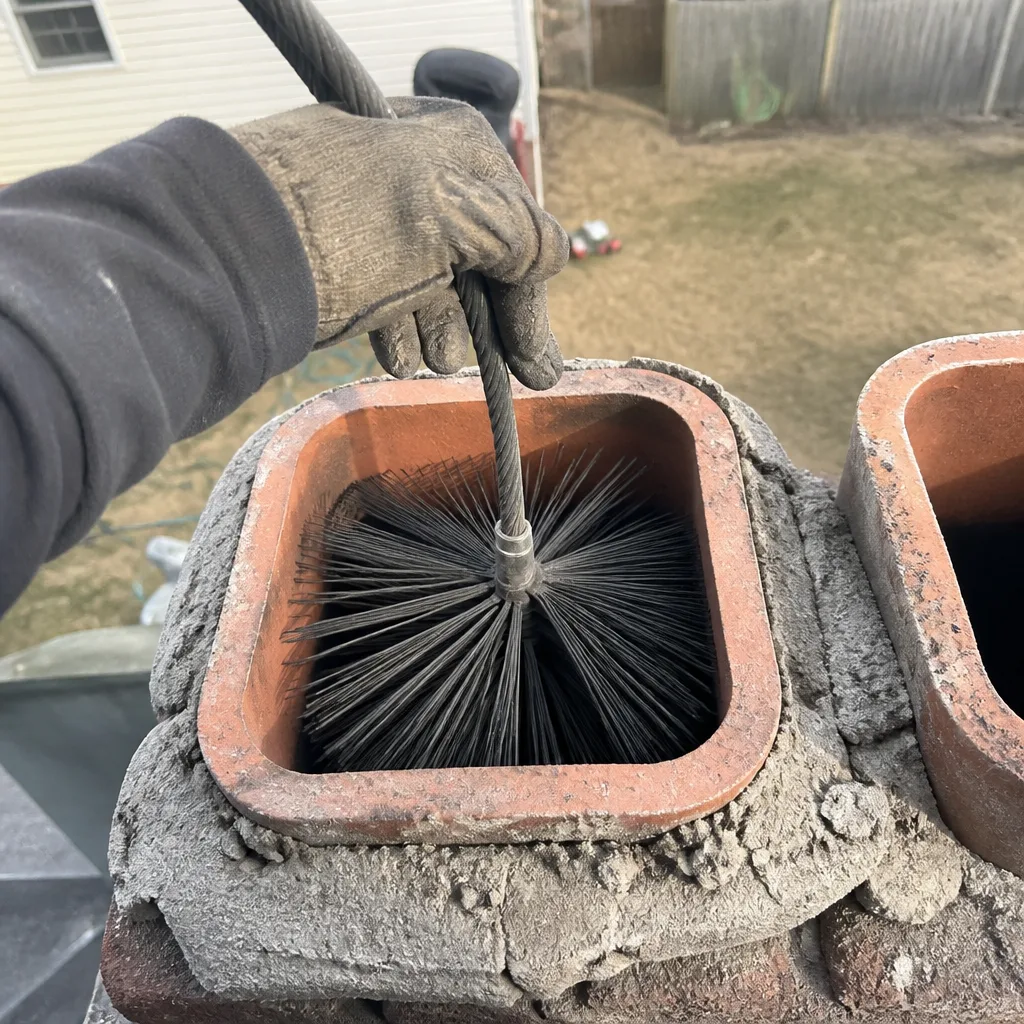
We don’t arrive and improvise. The same documented sequence runs on every job, and you get a written scope before the first step begins.
- Written price and scope delivered before work starts. You see the dollar amount, the specific work to be done, and the written warranty before anyone is in your home with tools. That’s Haven Standard Clause 1 – we call it “Have it in writing.” No tech knocks on the door and then starts naming prices.
- NFPA 211 Level 2 camera-scan inspection of the full flue. The camera goes from the firebox to the top of the chimney. We photograph liner condition, creosote classification, any cracking or spalling (surface flaking of the brick or tile), obstruction points, and the condition of the smoke shelf and smoke chamber. This is what tells us exactly what class of creosote we’re dealing with and where it’s concentrated.
- Rotary or standard brush cleaning for Class I and Class II deposits. For light-to-moderate creosote, we use professional rotary cleaning systems – the kind that reach every inch of the flue liner, not just the straight vertical sections. A canvas drop cloth protects your firebox and hearth. In Cambridge’s older homes, where the flue tile and brickwork can be fragile, we adjust pressure and tool selection based on what the camera showed us, not a blanket approach.
- Chemical treatment for Class III glazed creosote. When the camera shows the hard, glazed stage – Class III – brushes alone won’t remove it. We apply a certified chemical modifier that converts the glossy layer into a porous, brittle material. This requires a waiting period (usually one to two burning cycles or a scheduled return visit) before the modified deposits can be fully brushed out. We use products sourced through Haven’s buying network to keep costs consistent and quality accountable. We’ll tell you if a return visit is needed before we start, not halfway through.
- Post-removal camera verification and documented photo record. After cleaning, the camera goes back down. We photograph the cleared flue liner, confirm that the smoke chamber and damper area are free of buildup, and document the final condition. That photo record is yours. It’s not locked in our system – you receive it as part of the job record under Clause 4 of the Haven Standard.
- Findings summary and next-step recommendations in plain language. If the flue liner shows damage that cleaning can’t address – cracked tile sections, open mortar joints, a compromised smoke chamber – we document it with photos and tell you what it means in plain terms. We give you a written estimate for any additional repair. Nothing verbal, nothing vague.
BeforeAfterCreosote Removal Pricing in Cambridge
Creosote removal in Cambridge costs between $180 and $650 for most residential jobs. Here’s what drives where a specific job falls in that range.
| Creosote Classification | Typical Condition | Estimated Price Range |
|---|---|---|
| Class I (light, dusty deposits) | Annual maintenance, consistent use of seasoned wood | $180 – $290 |
| Class II (flaky, adherent deposits) | Skipped season, occasional wet wood, older liner | $250 – $420 |
| Class III (glazed, tar-like) | Heavy use of wet wood, multiple missed cleanings, visible sheen | $420 – $650 (single treatment); may require a second visit |
A few factors specific to Cambridge homes affect where your job lands:
- Flue height. Many Cambridge triple-deckers and Victorian rowhouses – particularly around Harvard Square and the Riverside neighborhood – have taller-than-average flues, sometimes 25 to 35 feet. More flue height means more surface area and more material to remove.
- Number of flues. Some older Cambridge homes have two or three separate flues sharing a chimney stack – one for the fireplace, one for a furnace or boiler connection. Each flue is priced separately because each needs its own camera pass.
- Liner material and condition. Clay tile liners, which are standard in most pre-1980 Cambridge construction, require more care during rotary cleaning than stainless steel liners. If the camera reveals cracked tile, we adjust the approach and document it. That affects time and sometimes materials.
- Access. Rooftop access to the chimney cap matters. A standard Cambridge rowhouse with an accessible flat or low-pitch roof is straightforward. A steeply pitched roof or a chimney located over a difficult section of the structure takes longer.
The written estimate you receive before work starts reflects all of those factors. There are no add-ons discovered after the fact. If the camera reveals something that changes the scope – like a Class III deposit that wasn’t visible from the firebox – we stop, update the written price, and you approve it before work continues. That’s not a policy we invented recently. It has been the practice at Level Two Chimney Cambridge since 2009 and has covered more than 38,000 jobs.
If you’ve already received a written estimate from another company, bring it to us. We offer a free second opinion on any written estimate – no charge, no pressure.
Call (857) 309-1908 to get your written price. Estimates are free, and someone answers every call, every day.
Why Cambridge Chimneys Build Creosote Faster
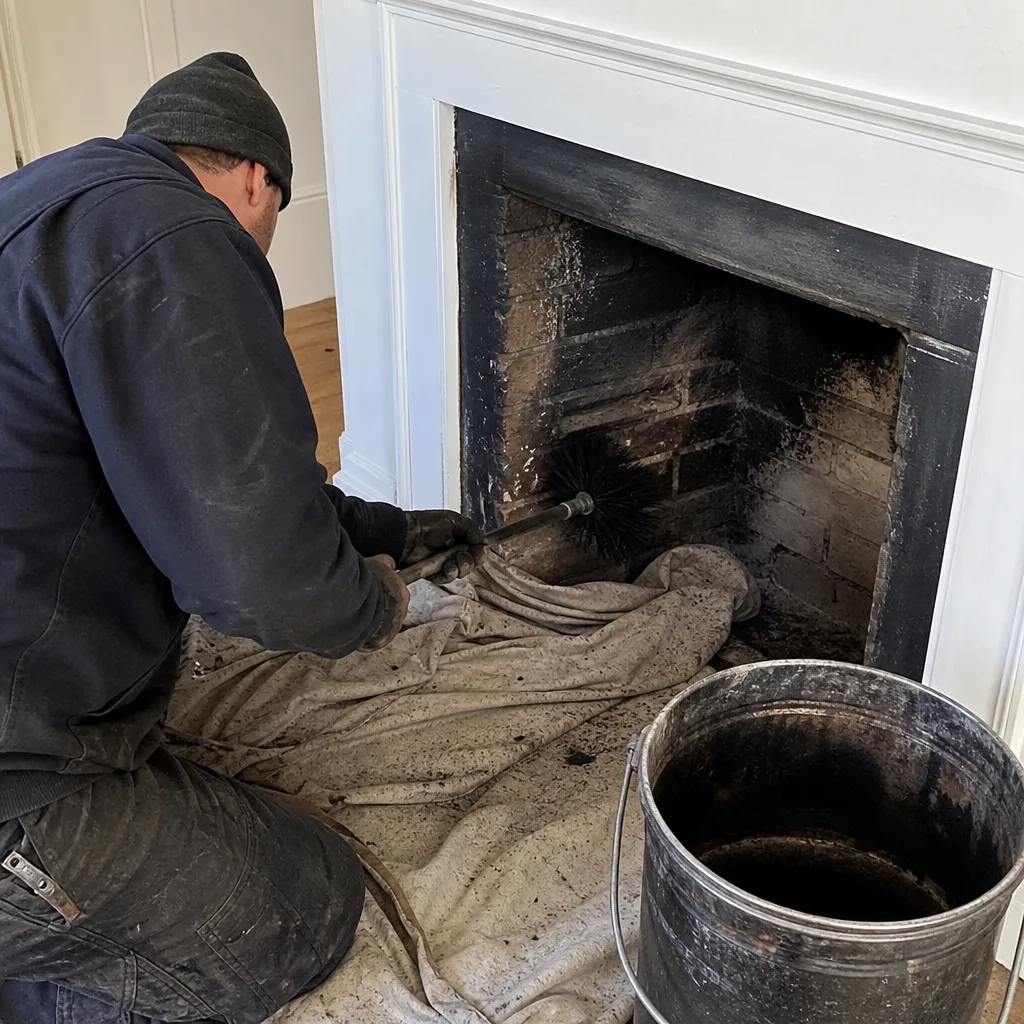
This isn’t a generic warning about creosote being dangerous. You already know that. What’s specific to Cambridge is worth naming.
The city sits at the northwest edge of Boston Harbor’s wind corridor. From late October through early April, northwest winds push cold air against chimneys from the outside while warm flue gases rise through the inside. That temperature differential at the flue wall – cold exterior, warm interior – is exactly what condenses creosote out of smoke and deposits it on the liner surface. It happens faster in Cambridge than in inland towns with more wind protection.
Cambridge also has a high density of wood-burning fireplaces in homes built before 1960 – most of the stock in Neighborhood Nine, East Cambridge, and Mid-Cambridge. Older clay tile liners in those homes are often slightly undersized by today’s standards for the firebox openings they serve. An undersized liner produces a slower, cooler draft. A slower, cooler draft means more creosote per cord of wood burned. We see this pattern regularly when the camera comes back up from a Level 1 Inspection in one of those homes.
None of this means you can’t use your fireplace safely. It means you need a camera-documented cleaning annually, and it means skipping a year carries more actual risk in Cambridge than it might somewhere else.
The Class III Creosote Safety Note
Class III creosote – the glazed, tar-like stage – is the direct fuel source in most structural chimney fires. It bonds to the flue liner, it ignites at temperatures a normal fire can reach, and it burns at temperatures that crack tile liners and can transfer heat through brick to adjacent framing.
We’re not writing that to alarm you into a service call. We’re writing it because it’s what an honest inspector tells you when the camera finds it. If a Level 2 Inspection shows Class III deposits, the right answer is to stop using the fireplace until the deposits are removed. Chemical treatment followed by a verification camera pass is the correct sequence. Attempting to burn it off by building a hotter fire – a suggestion that circulates in some online forums – does not work reliably and has started house fires in Cambridge and surrounding communities.
If there’s any chance your flue has glazed deposits, call before the next fire, not after. (857) 309-1908.
What You Get When the Job Is Done
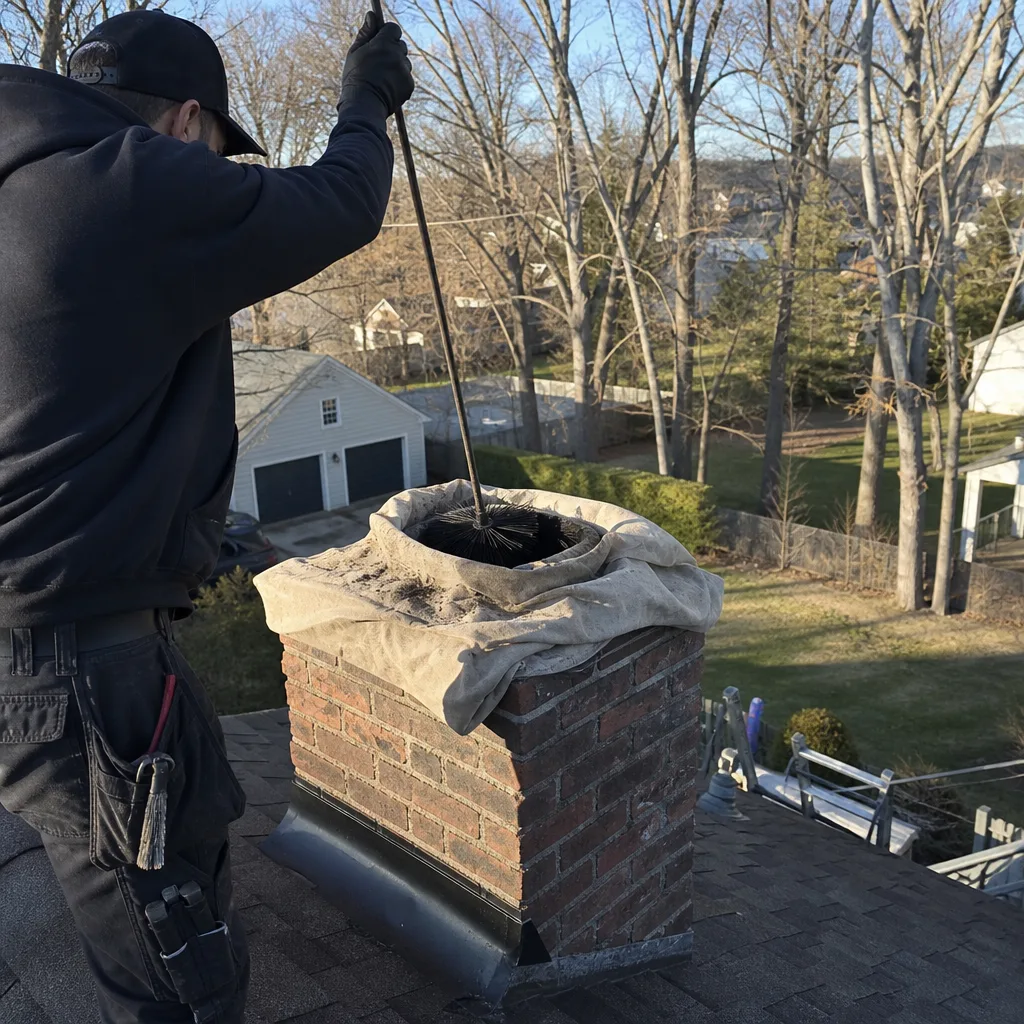
Every creosote removal job at Level Two Chimney Cambridge produces a documented record. This is what you have in your possession when the technician leaves:
- A written confirmation of the work completed and the creosote classification found
- Before-and-after photos from the camera inspection, archived under your address
- Written notation of any additional findings – liner damage, mortar joint condition, cap or crown issues – with plain-language descriptions
- A written warranty on the work performed, backed by the 365-Day Done Right Promise
- A written estimate for any additional repair work identified, with no obligation to proceed
That record matters if you sell the home. Cambridge buyers working with informed agents are increasingly asking for chimney inspection documentation as part of due diligence. A photo record of a clean, professionally inspected flue is a useful thing to have on file. Some insurers have begun asking for the same. We document it because it’s the right practice – and because Clause 4 of the Haven Standard requires it on every job.
FAQs – Creosote Removal in Cambridge
How much does creosote removal cost in Cambridge?
Creosote removal in Cambridge costs between $180 and $650 for most homes, depending on the creosote classification found during the camera inspection. Class I deposits (light, dusty) run $180-$290. Class II (flaky, adherent) runs $250-$420. Class III glazed creosote starts at $420 and may require a second treatment visit, pushing the total toward $650 or above for severe cases. The written price is delivered before work starts – not after the tech is already on a ladder. Call (857) 309-1908 for a free written estimate specific to your flue.
Is creosote removal something a Cambridge homeowner can do themselves?
Class I deposits – light, dusty soot – can be partially addressed with chimney cleaning logs or consumer brushes, but these tools don’t reach every section of the flue and don’t substitute for a camera inspection to verify the actual condition. Class II and Class III creosote should not be approached as a DIY project. Class III removal requires chemical treatment products that need proper handling, and the process involves working at or near rooftop height with heavy rotary equipment. More practically: without a camera pass before and after, you can’t confirm the deposit is actually gone. A clean-looking firebox opening says nothing about the upper flue sections.
How often should Cambridge homes have creosote removed?
Annual camera-scan inspection and cleaning is the NFPA 211 standard for any chimney in active use – and in Cambridge specifically, where cold exterior temperatures accelerate condensation on flue walls, that annual schedule is genuinely important rather than just a formality. Homes using the fireplace more than twice a week through the heating season should consider a mid-season check. Homes that burned wet or unseasoned wood should be inspected regardless of how recently the last cleaning was done.
What’s the difference between a chimney sweep and creosote removal?
A standard chimney sweep covers the firebox, smoke shelf, damper area, and accessible flue surfaces. Creosote removal is the specific process of treating and extracting creosote deposits from the flue liner – it’s part of what a thorough sweep should include, but many companies sweep the accessible areas and miss what’s coating the liner higher up. At Level Two Chimney Cambridge, creosote classification and removal is part of every full cleaning visit, not an upsell. The camera inspection tells us what’s actually there before we decide which tools and methods the job needs. You can read more about what a full cleaning visit covers on our home page.
Key Takeaways
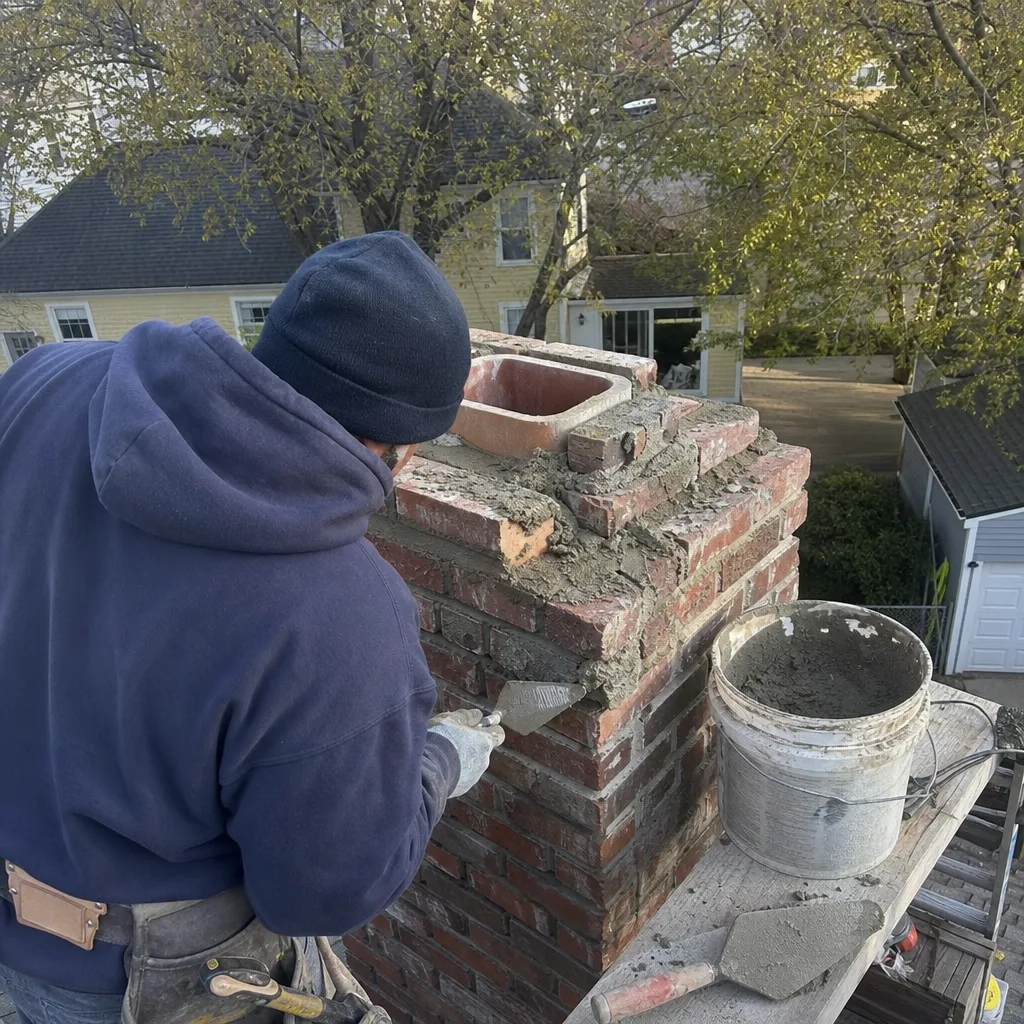
- Creosote removal in Cambridge costs $180-$650, with the written price delivered before work starts.
- Cambridge’s cold river-corridor winters and older clay tile liners create above-average creosote accumulation rates.
- Class III glazed creosote requires chemical treatment, not just brushing – and the fireplace should not be used until it’s removed.
- Every Level Two Chimney Cambridge job includes a camera-scan inspection, before-and-after photo documentation, and the 365-Day Done Right Promise.
- A free second opinion is available on any written estimate from a competitor.
- Live phone support at (857) 309-1908 runs 24 hours a day, 7 days a week.
Get a Written Price Before Anyone Starts
If you’re in Cambridge and your fireplace has seen regular use this season – or if the last inspection was a flashlight look with no camera – call us before the next fire. We’ll camera-scan the flue, document what we find in plain language and photos, and give you a written price for any creosote removal needed. Nothing verbal, nothing approximate.
Call (857) 309-1908 any time. Someone answers. The estimate is free. And if you’ve already got a written estimate from another company, bring it – we’ll give you a second opinion at no charge.
Written by Corrine Halstead, Owner at Level Two Chimney Cambridge, serving Cambridge since 2009.