
Level 1 sweep and inspection to the NFPA 211 annual standard - flue, crown, cap, and flashing checked and photographed
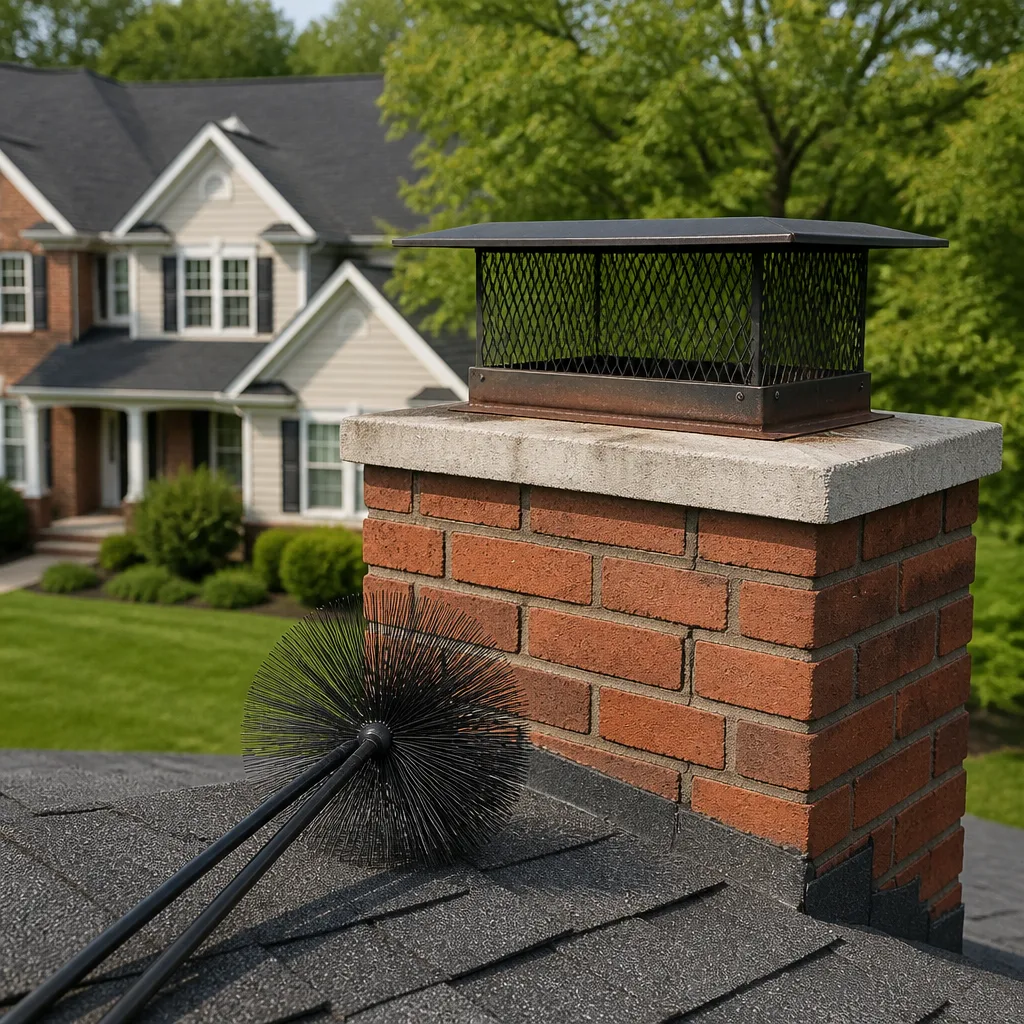
Chimney sweep logs do not sweep chimneys. They loosen some creosote - which then falls where a brush and vacuum still have to collect it.
Gas fireplace service
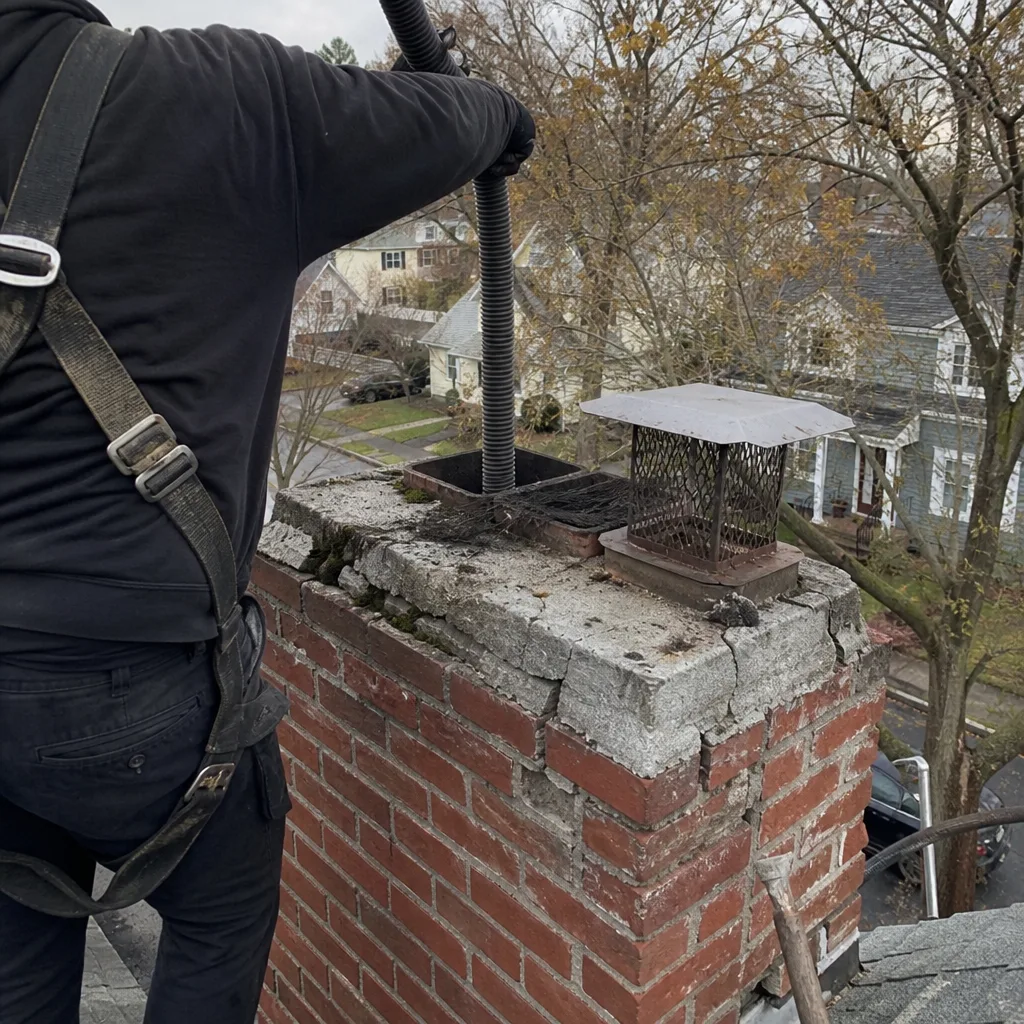 Before
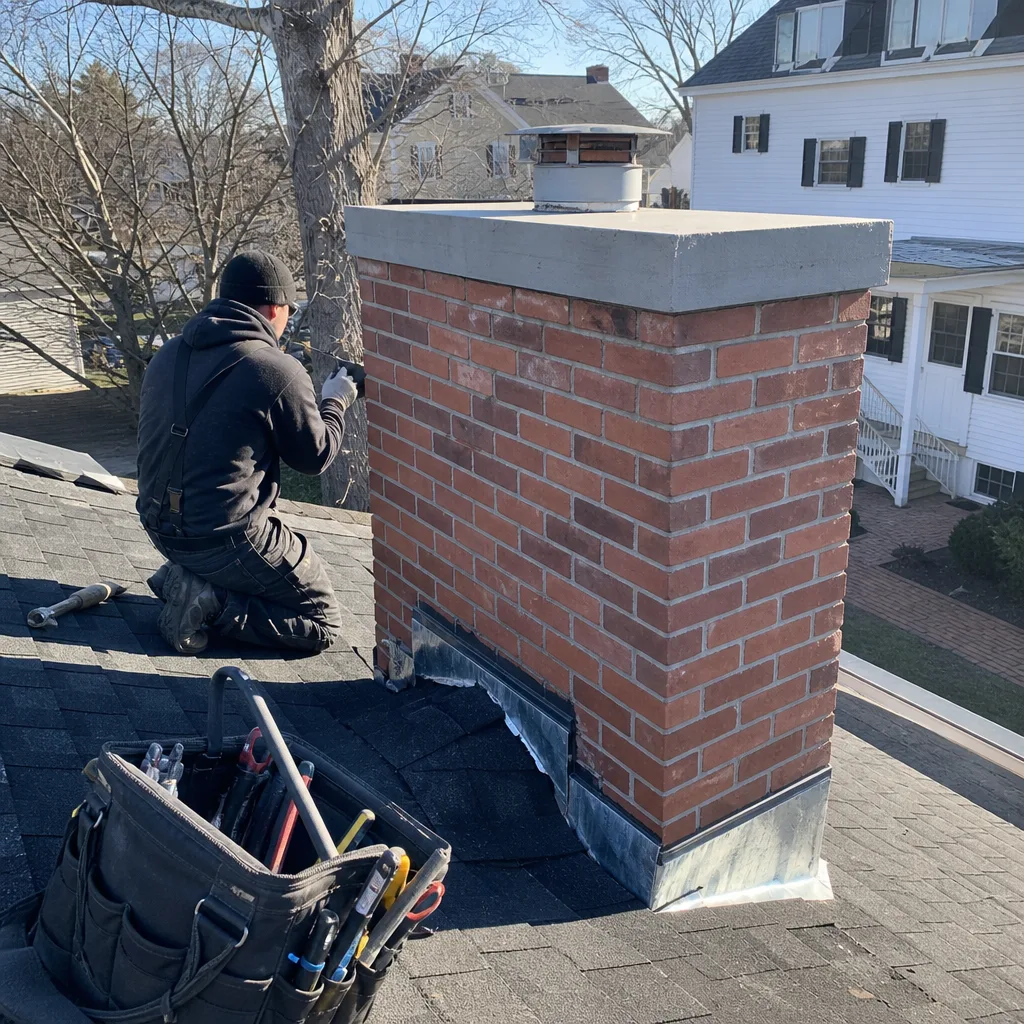 After
After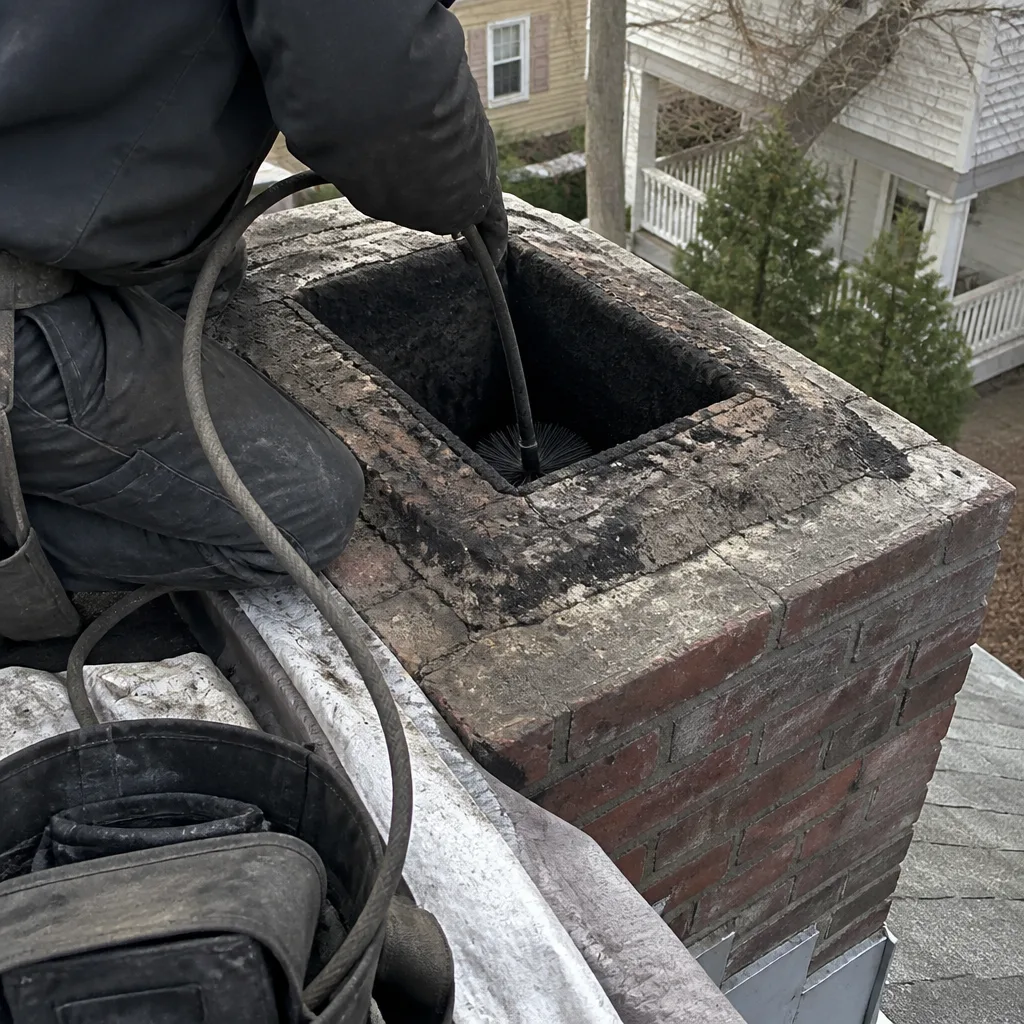 Before
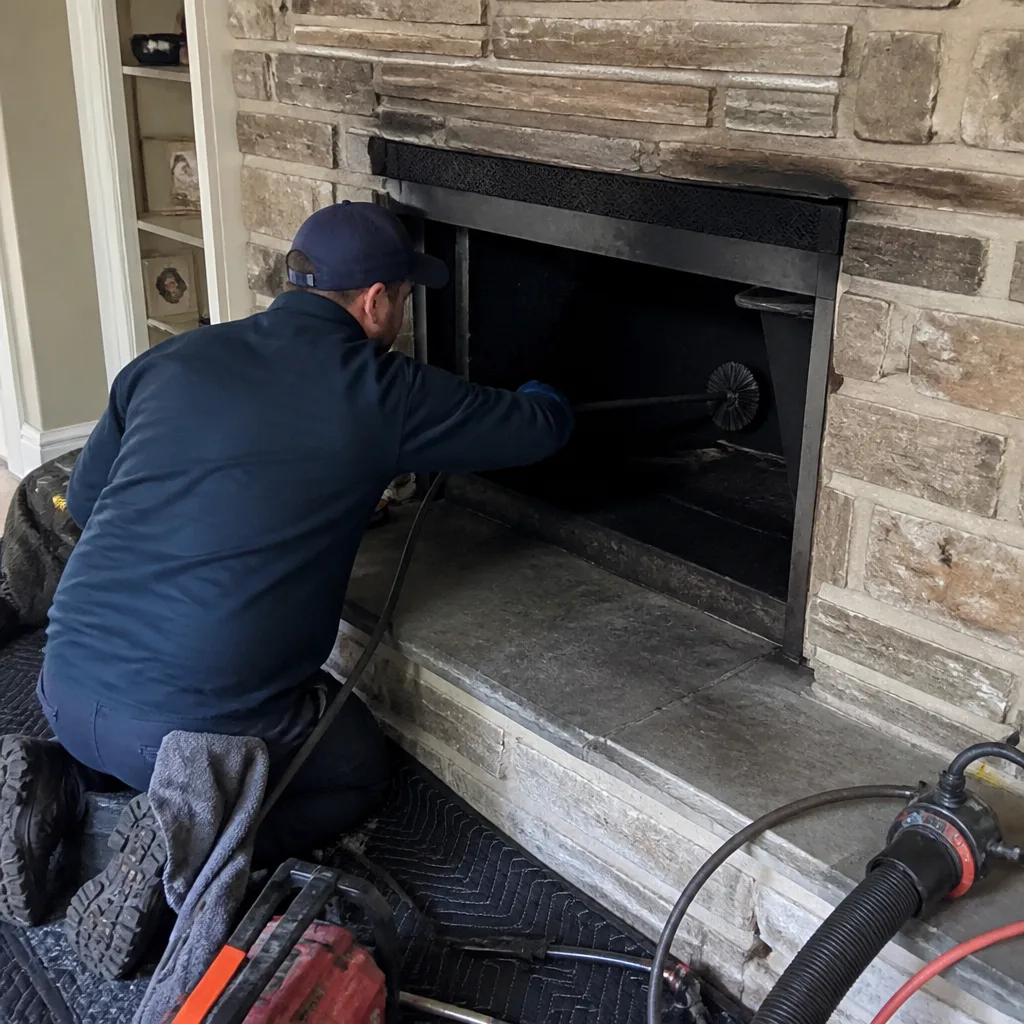 After
After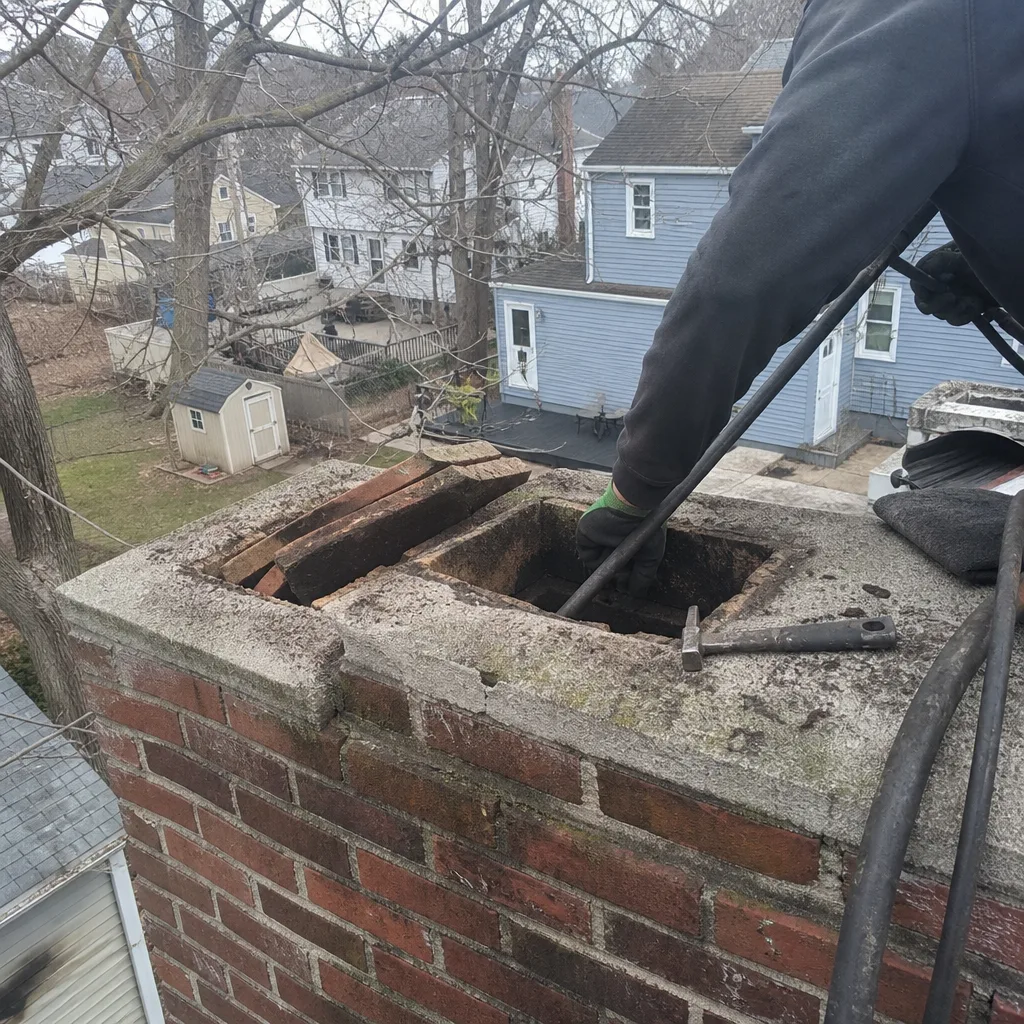 Before
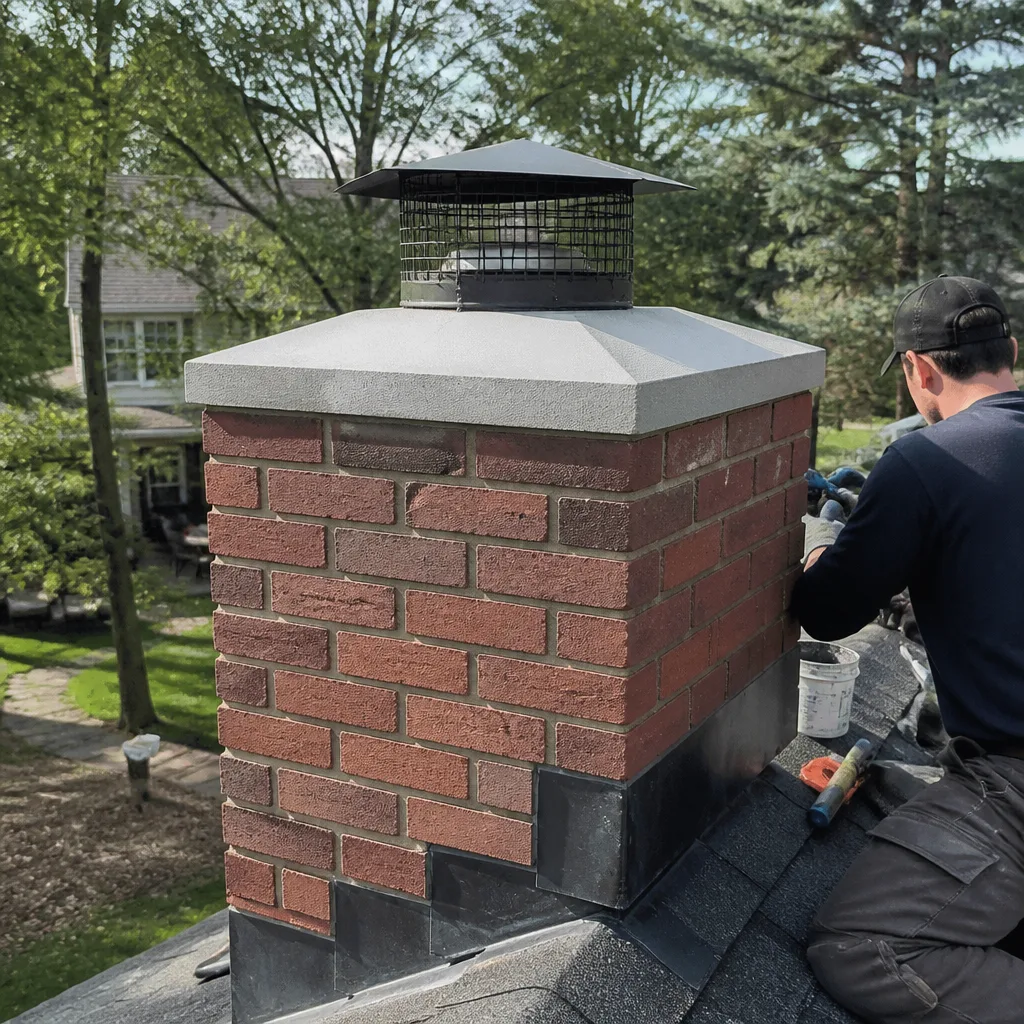 After
AfterWhy Cambridge Homeowners Choose DuraFlex Chimney Cleaning
We provide independent DuraFlex repair in Cambridge, including chimney cleaning, inspection, and service across Massachusetts. Our technicians work on DuraFlex stainless steel liners and direct vent systems daily - not occasionally - and every visit includes an NFPA 211 Level 2 camera inspection with a documented photo record. We’re not affiliated with or authorized by DuraFlex; we diagnose each system on its own merits and quote a written price before any work starts.
Cambridge’s triple-decker and rowhouse stock presents a specific challenge for DuraFlex liners. Most chimneys here were built for coal, converted to oil, then converted again to gas - often with multiple flues stacked through one masonry column and owned by different condo associations. That layered history means DuraFlex liners get installed in tight, offset-heavy chases that weren’t engineered for flexible stainless steel. We’ve cleaned and inspected DuraFlex systems in Cambridgeport, Mid-Cambridge, and Agassiz since 2009, and we’ve learned how this city’s damp river-valley climate and aggressive freeze-thaw cycling affect these specific components differently than they would in drier inland markets.
Call (857) 309-1908 for a written estimate before any work begins.
Why Trust Level Two Chimney Cambridge for Your DuraFlex Chimney Cleaning?
Corrine Halstead, our owner, learned the trade at CUNY Kingsborough Community College in Brooklyn before spending the better part of two decades running crews through Greater Boston. She’s put cameras up flues in triple-deckers near Inman Square and century-old rowhouses a block off the Charles. The camera doesn’t editorialize - it just shows you what’s there. That principle became Clause 4 of the Haven Standard in 2009, and we haven’t sent a technician out without one since.
Our crews know DuraFlex products specifically. We can distinguish a 304L from a 316L alloy by the stamp on the collar and the corrosion pattern at the termination. We know that DuraFlex insulated kits in Cambridge’s humid Charles River lowlands tend to show pitting at the exposed top 12 inches faster than comparable liners in drier climates, because the moisture sits on the metal through repeated freeze-thaw cycles. We stock genuine DuraFlex replacement clamps, top plates, and termination hardware locally, and when those parts are back-ordered, we source compatible equivalents through our Haven buying network - always disclosing the substitution in writing before installation.
Every DuraFlex service call gets a named, background-checked technician, a text when they’re en route, and a written scope, written price, and written warranty before anyone touches the system. That’s Haven Standard Clause 1. The 365-Day Done Right Promise applies to DuraFlex work exactly as it does to every other job we take.
Common DuraFlex Chimney Cleaning Problems We Fix in Cambridge
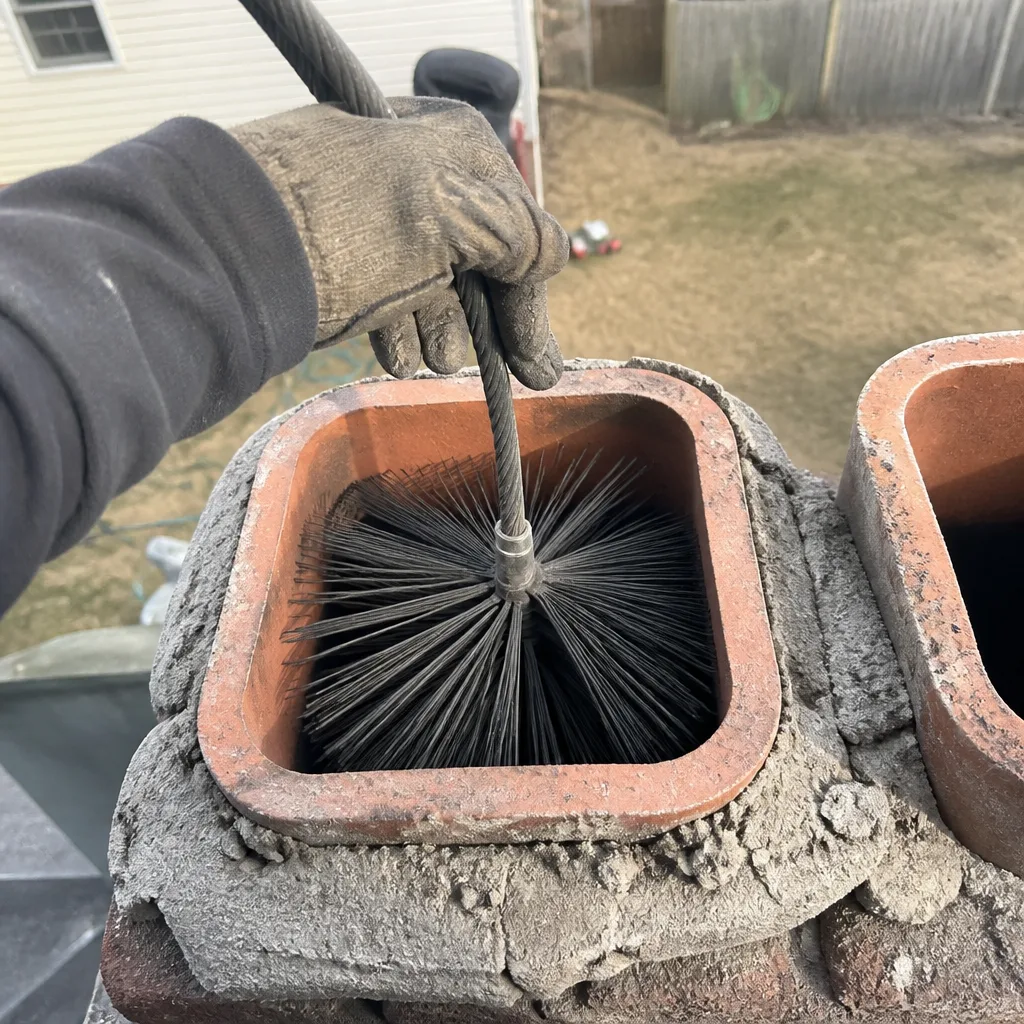
- Corrosion and pitting at the liner termination and appliance collar. DuraFlex 304L and 316L liners both suffer at the exposed top 12 inches, where Cambridge’s riverside humidity and nor’easter-driven precipitation sit on the metal surface. In wood-burning setups with low draft, that moisture mixes with acidic combustion condensate and eats pinholes into the alloy. We catch this with camera inspection - the pitting shows as a sandblasted texture on the stainless surface - and replace the termination hardware and collar before the liner wall thins through. On a recent call near Harvard Square, the homeowner had noticed rust streaks on the exterior masonry; the camera revealed the top plate gasket had failed two seasons prior.
- Vertical seam and weld cracking after thermal cycling. DuraFlex flexible liners flex around masonry offsets during installation, then expand and contract with every burn cycle. The seam weld at the bend point work-hardens over time. In Cambridge’s older chimneys - where offsets are common because flues were never straightened during fuel conversions - we see this cracking more frequently than in new construction with plumb chases. The camera shows a hairline split running longitudinally. We mark the footage, show the homeowner, and recommend replacement when the crack penetrates the wall.
- Crushed or creased sections from tight-clearance installation. DuraFlex liners need adequate annular space to flex without kinking. Cambridge’s triple-decker chimneys, originally built for coal flues much smaller than modern liners, often don’t provide it. A crushed section reduces flue area, which reduces draft, which causes smoke spillback and accelerated creosote accumulation at the restriction. We measure the liner diameter against the nominal specification at three points during inspection. A 6-inch liner measuring 4.75 inches at the crush point isn’t doing its job.
- Failed clamps, top plates, and cap/termination hardware. These components seal the liner to the chimney crown and keep water out of the annular space. When they fatigue - and Cambridge’s ice loads from nor’easters stress them hard - water runs down between the liner and the masonry, rusting both from the inside. We stock DuraFlex-compatible replacement hardware and install it with proper torque specs so the seal holds through the next winter.
- Creosote accumulation in gas-converted systems with abandoned flues. Cambridge’s condo conversions often leave one DuraFlex liner serving a gas insert while an adjacent flue in the same stack is capped but unlined, collecting organic debris and moisture. The damp, poorly-ventilated triple-decker interior becomes a humidity sink. We see accelerated corrosion on DuraFlex liners in these stacks because the masonry never fully dries. Our Level 2 inspection includes documenting adjacent flue conditions and recommending cap or liner installation where code requires it.
BeforeAfterDuraFlex Parts & Our Repair-vs-Replace Approach
We fit genuine DuraFlex replacement components where they’re available - clamps, top plates, termination caps, collar adapters - so the alloy, diameter, and termination geometry match what’s in your chase. When a DuraFlex liner has widespread seam failure, multiple crushed sections, or wall thinning below manufacturer minimums, we tell homeowners honestly: patching won’t restore flue integrity. A replacement liner, DuraFlex or a compatible equivalent from our Haven network, is the real fix. Parts alone don’t solve a compromised run.
Our buying relationship with DuraFlex, HeatShield, Gelco, Olympia Chimney, Famco, and Copperfield lets us quote replacement materials at honest prices, not marked-up single-source retail. We put that number in writing before work starts. Call (857) 309-1908 for a written scope and price.
Our DuraFlex Service Process - Step by Step
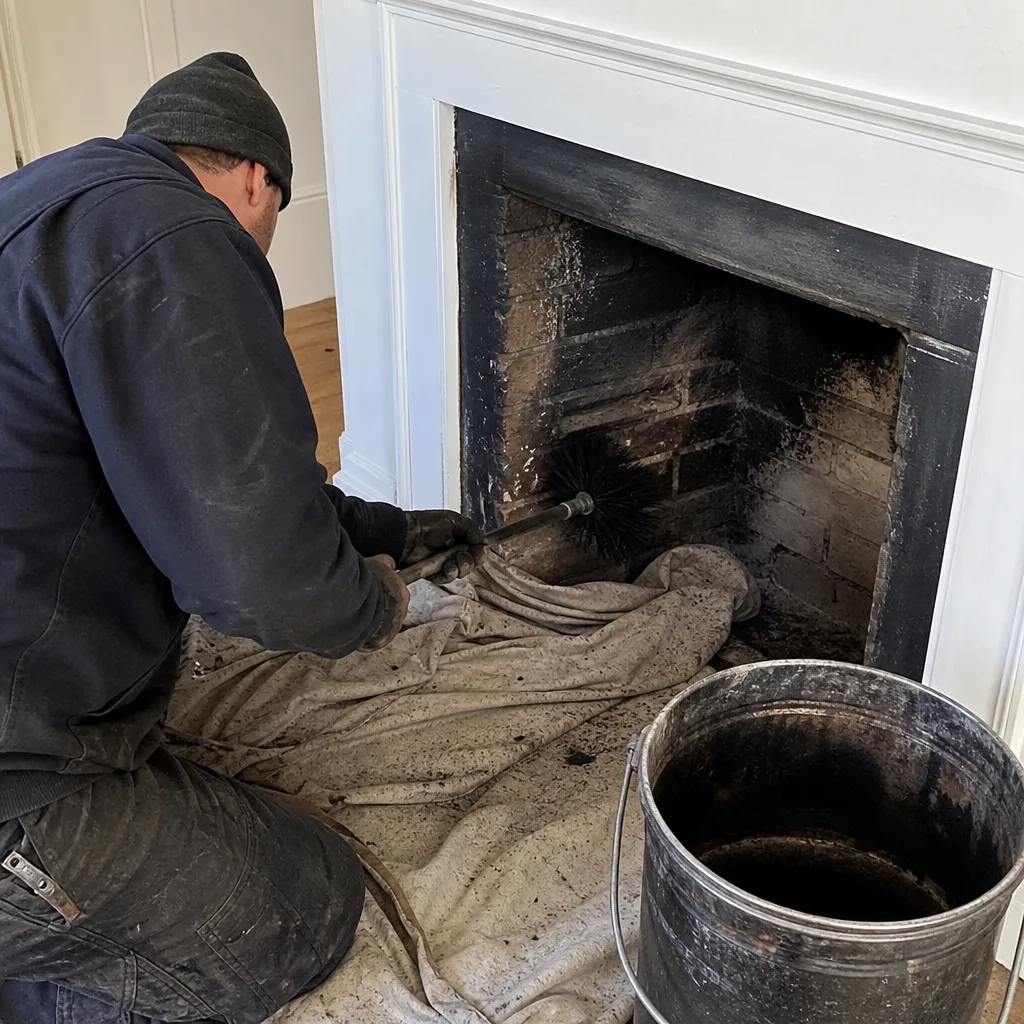
- 1
Diagnosis with NFPA 211 Level 2 inspection. We run a camera from the appliance connection to the termination, documenting liner wall condition, seam integrity, diameter measurements at offsets, and termination hardware status. You get the footage and a written finding sheet. This is Haven Standard Clause 4.
- 2
Written price and scope before any work. We itemize what we found, what we recommend, what it costs, and what happens if you defer. No work starts until you have that document. Haven Standard Clause 1.
- 3
Repair or replacement with documented parts. We note serial numbers, alloy grades, and part sources on your job record. If we substitute a compatible component for an unavailable DuraFlex OEM part, we note the manufacturer and model in writing.
- 4
Post-service draft and spillage test. For DuraFlex direct vent systems, we verify coaxial intake/exhaust balance. For wood-burning liners, we check draft at the appliance and confirm no smoke spillback at the firebox on cold start.
- 5
Warranty documentation and photo record. You receive a completed job report with photos, test readings, and the 365-Day Done Right Promise in writing.
DuraFlex Products We Service & Install in Cambridge
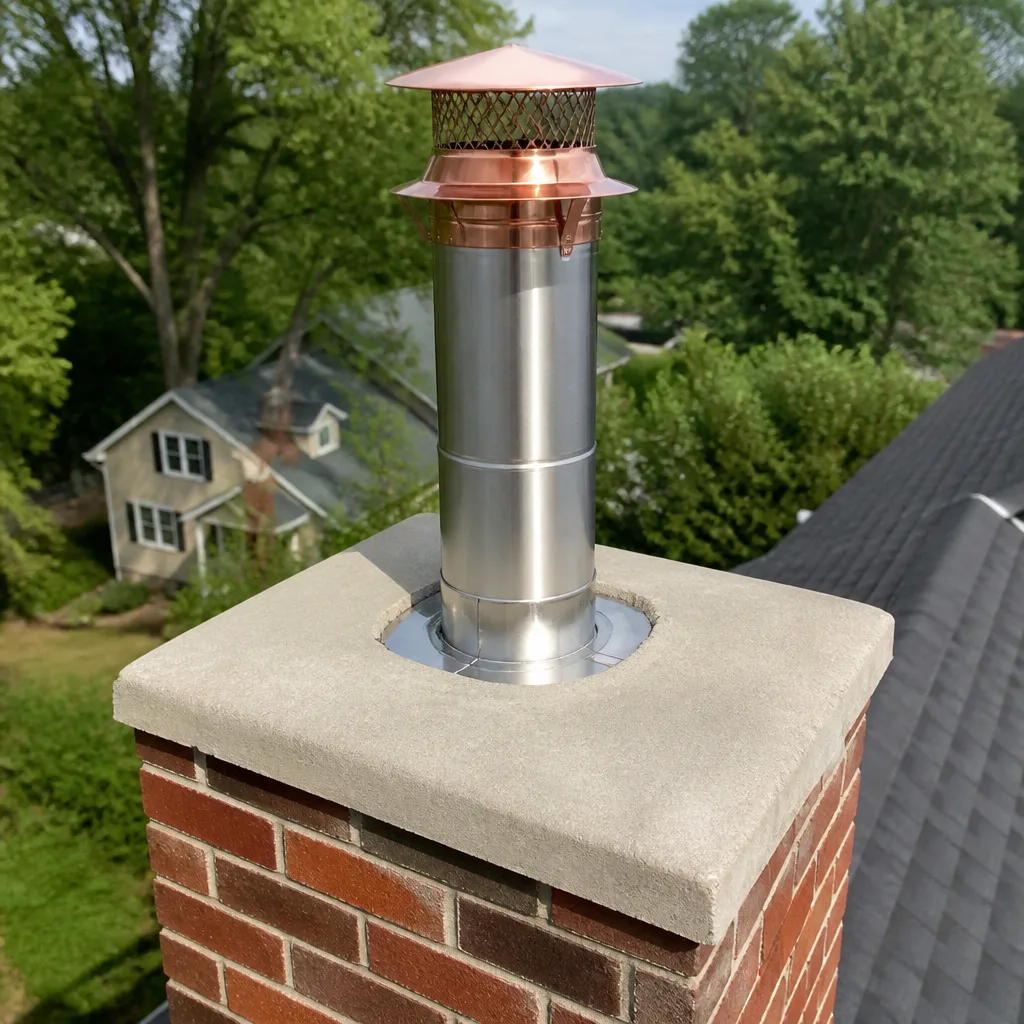
We work on DuraFlex Stainless Steel Flexible Chimney Liner kits - both insulated and uninsulated configurations - in 304L and 316L alloys. The 316L handles higher-acid condensate from modern efficient appliances; we see more of it in Cambridge’s gas-converted triple-deckers. We also service and install DuraFlex Direct Vent (DV) Coaxial Systems, the double-wall pipe with concentric intake and exhaust common in townhouse and condo applications where a traditional chimney chase isn’t available. We stock termination caps, collar adapters, wall thimbles, and firestop components for these systems locally, which means faster turnaround on repairs in Cambridge’s dense neighborhoods where parking a service van is half the battle.
We Also Service These Brands
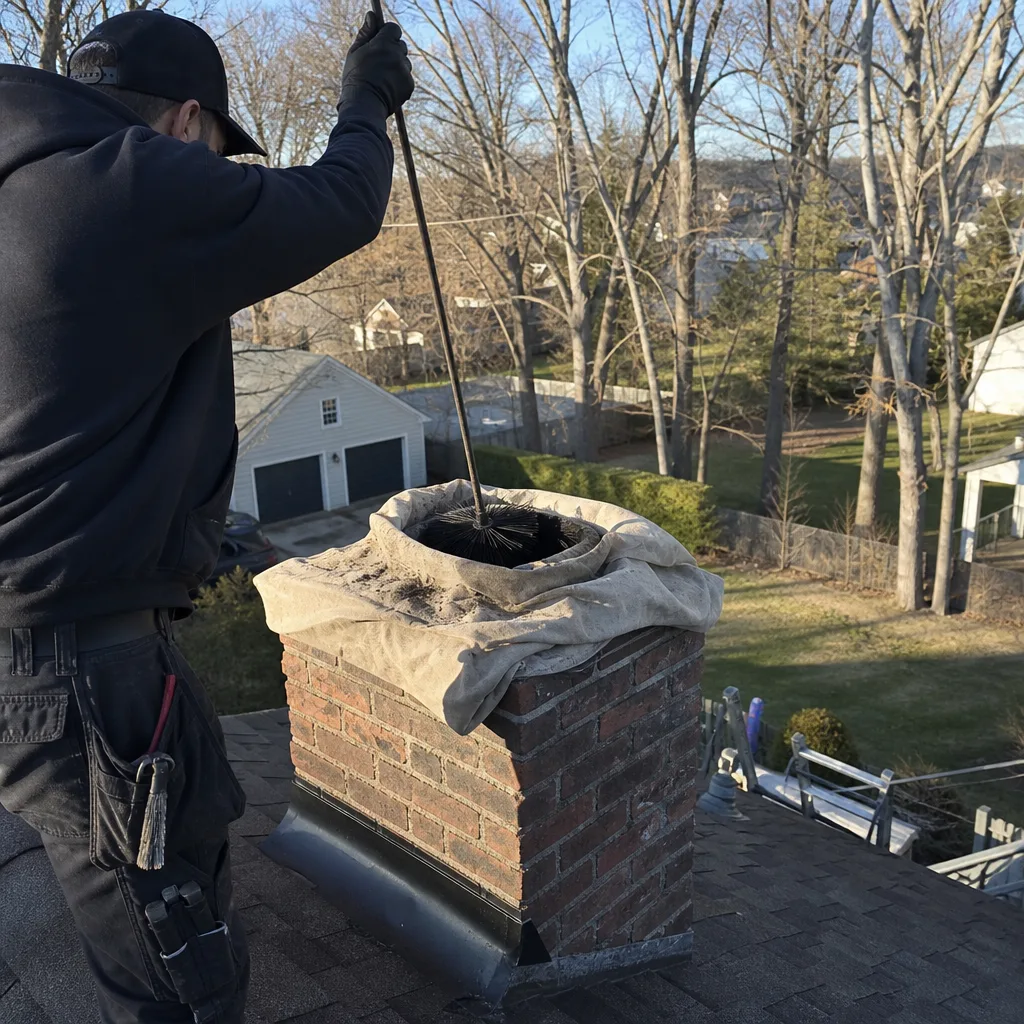
We’re not a single-brand shop. Our crews are equally familiar with HeatShield cerfractory flue sealant systems for resurfacing cracked clay tile, and Gelco stainless chimney caps and chase covers. Multi-brand fluency matters in Cambridge, where one chimney stack might contain a DuraFlex liner in one flue and a HeatShield-coated tile flue in another, both needing coordinated service under different condo association budgets.
FAQs - DuraFlex Chimney Cleaning Service in Cambridge
The alloy grade is stamped on the liner collar or termination plate, usually near the manufacturing date code. 316L contains more molybdenum, which resists the acidic condensate from high-efficiency gas appliances and wet wood burns. In Cambridge’s humid climate, we recommend 316L for any wood-burning or dual-fuel setup because the moisture loading is higher here than in inland markets. If you’re unsure what you have, we’ll read the stamp during inspection and tell you whether your alloy matches your appliance type. Call (857) 309-1908 and we’ll check it on the next visit.
Usually the cap or termination seal, not the liner wall itself. DuraFlex DV systems use a concentric cap that seals both the exhaust outlet and the intake annulus. When the cap gasket fatigues or the storm collar loosens, water tracks down the outer wall and stains the siding or masonry below. We inspect the cap geometry, gasket condition, and storm collar torque during every service. Replacement caps seal the system correctly; replacing the liner without fixing the cap just lets the new liner get wet too.
A single, localized crease can sometimes be addressed with a factory repair sleeve if the wall thickness at the crease is still within specification. Multiple crushed sections, or any crush that reduces flue diameter more than 15 percent, means the liner’s structural integrity is compromised and a patch won’t restore proper draft. We measure with a caliper and show you the numbers. If replacement is necessary, we quote DuraFlex and compatible alternatives in writing. Call (857) 309-1908 for a camera inspection and written assessment.
Chimney Cleaning & Sweep frequency depends on use and fuel, though NFPA 211 recommends annual inspection. In Cambridge, we see heavier creosote loading than rural areas because homeowners tend to burn shorter, lower-temperature fires in smaller urban fireplaces, which produces more Class II and III creosote. A DuraFlex liner with a crushed section or poor draft accumulates faster still. Most Cambridge wood-burners with DuraFlex liners need sweeping every cord of wood burned, or annually, whichever comes first. We document creosote class and thickness during inspection so you can decide based on data, not a calendar.
No. DuraFlex does not operate an authorized service network, and no manufacturer authorization is required to clean, inspect, or repair a DuraFlex liner. We are an independent chimney service - not affiliated with, authorized by, or endorsed by DuraFlex - and we diagnose each system on its own merits. Our warranty on workmanship and the 365-Day Done Right Promise stand independently of any manufacturer program.
A Level 2 inspection with camera and documented photo record for a DuraFlex liner system in Cambridge typically runs $289-$389, depending on access complexity and whether the termination requires ladder work on a multi-story triple-decker. Sweeping adds $149-$249 if creosote loading is moderate; heavy Class III glazed creosote or mechanical removal from a crushed section runs higher. Cap, clamp, or top plate replacement ranges $89-$340 per component. We put the exact number in writing before work starts, and our Free Second Opinion applies to any competitor’s written estimate. Call (857) 309-1908 for a written quote - estimates are free.
Book Your DuraFlex Service in Cambridge, MA
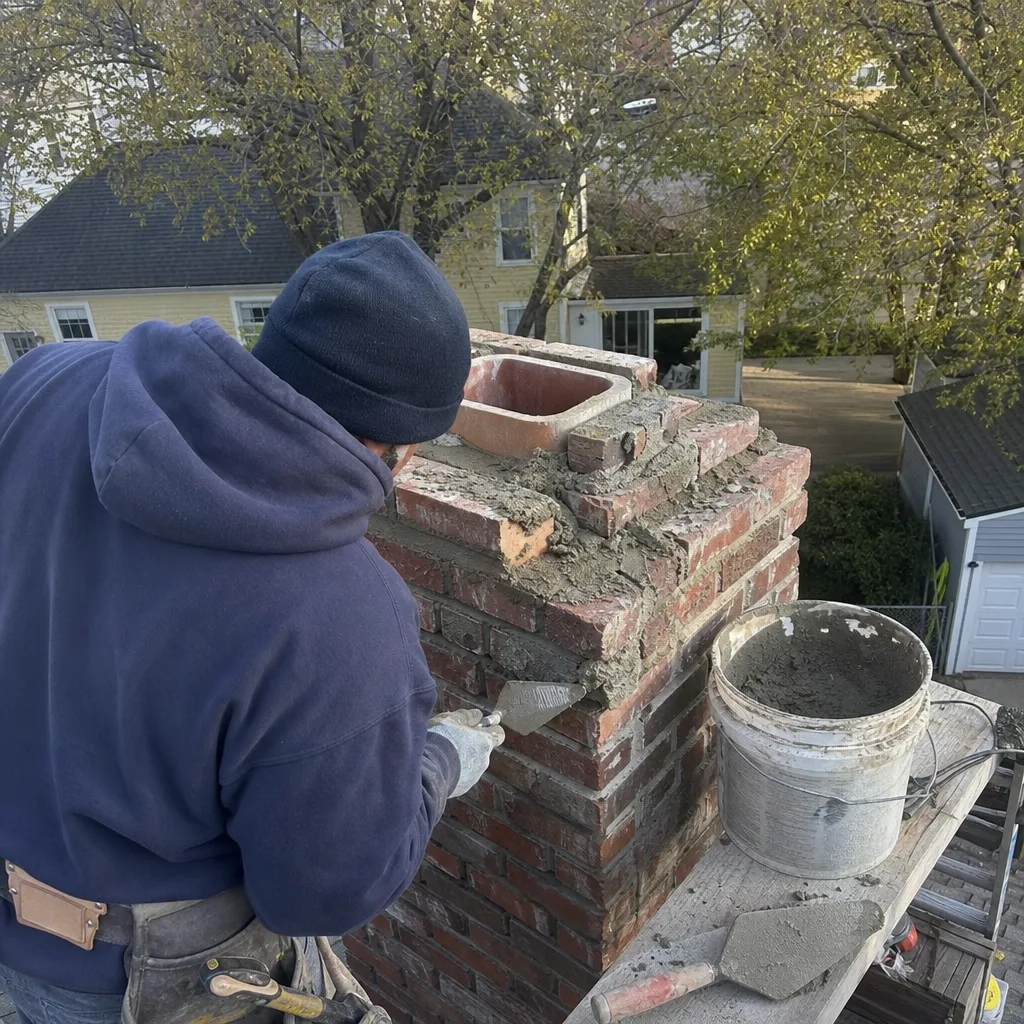
We’re live 24 hours a day to take your call. Every DuraFlex service in Cambridge includes an NFPA 211 Level 2 camera inspection, a written price before work starts, and a documented photo record when it’s done. Corrine Halstead and our team have inspected and cleaned more than 38,000 chimneys since 2009, every one with the same standard. Call (857) 309-1908 now for your written estimate.
Written by Corrine Halstead, Owner at Level Two Chimney Cambridge, serving Cambridge since 2009.